


Smart Technology and Everyday Safety for Families
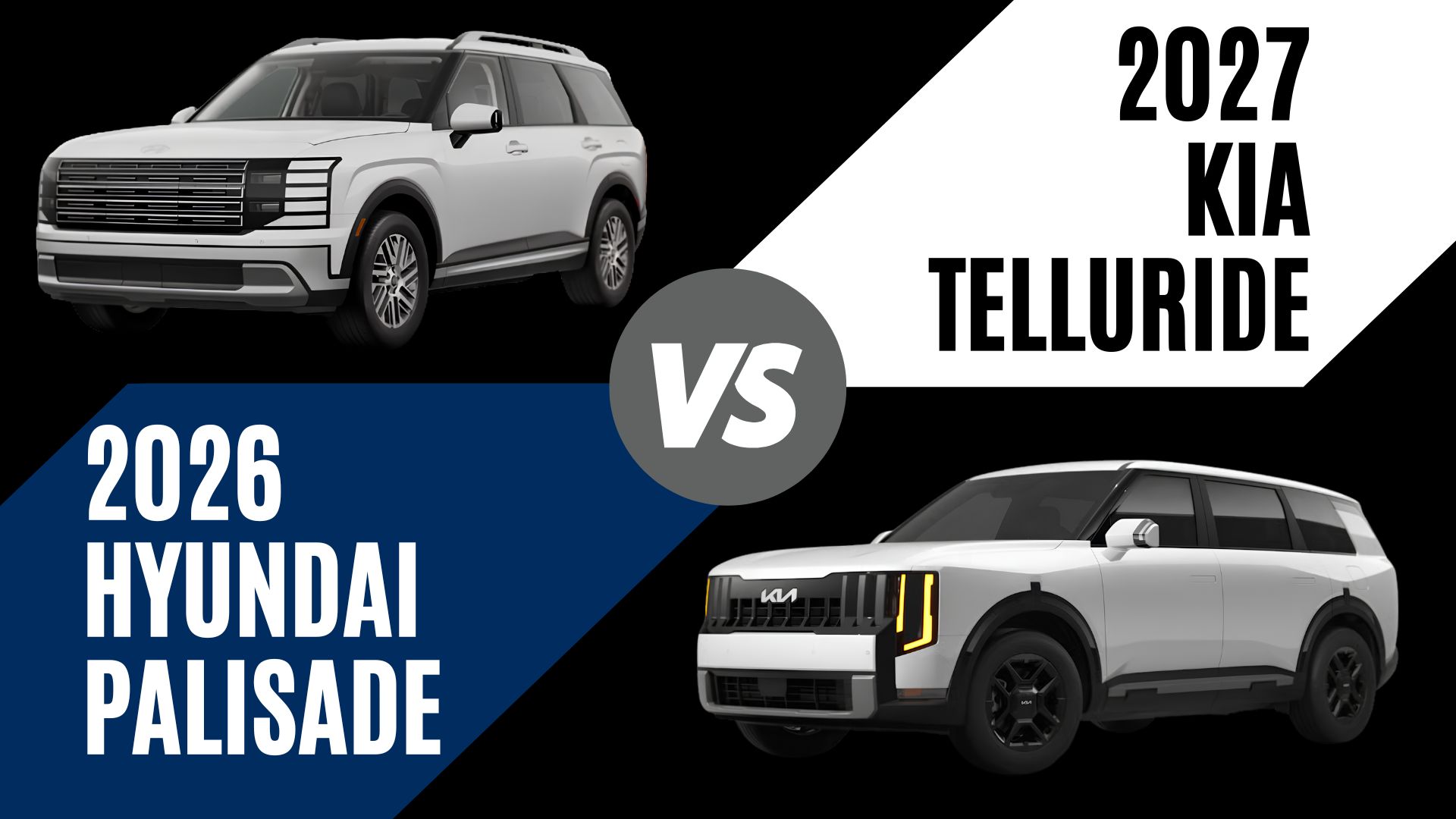
A three-row SUV spends most of its life doing ordinary things. School runs, grocery trips, the occasional road trip. And increasingly, buyers judge that daily experience by how smart and how safe the vehicle feels behind the wheel. The 2026 Hyundai Palisade and 2027 Kia Telluride both bring serious tech and safety credentials to that conversation for families in North Little Rock.
There’s a model-year note worth flagging up front. Kia skipped the 2026 model altogether and instead introduced a redesigned 2027 model. The two SUVs actually launched around the same time, despite the different model-year labels. A closer look at the redesigned Palisade is available in our latest coverage.
Vehicle Comparison
2026 Hyundai Palisade
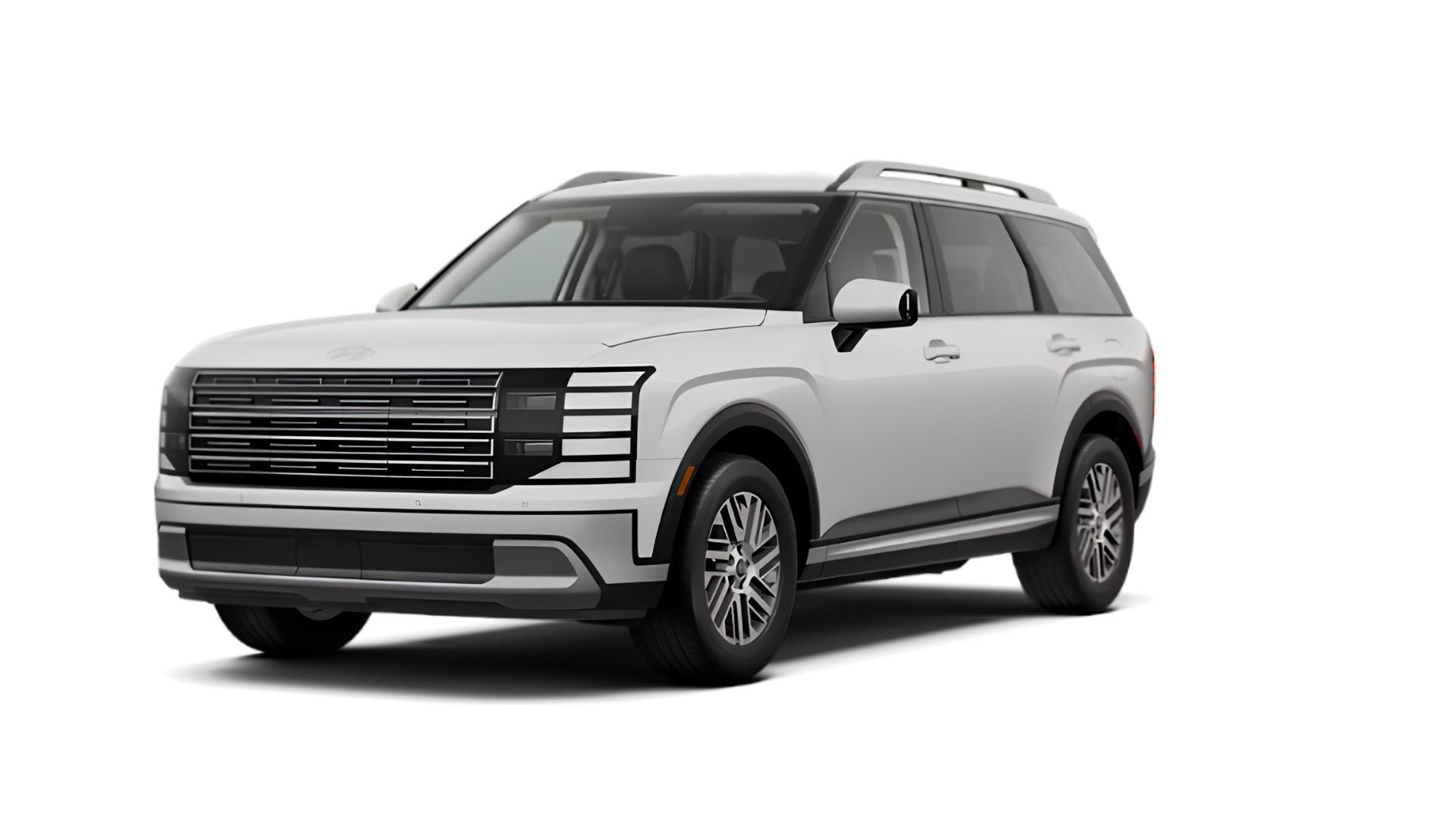
- Dual 12.3″ Curved Displays
- Available Relaxation Seats
- UV-C Sanitizing Tray
2027 Kia Telluride
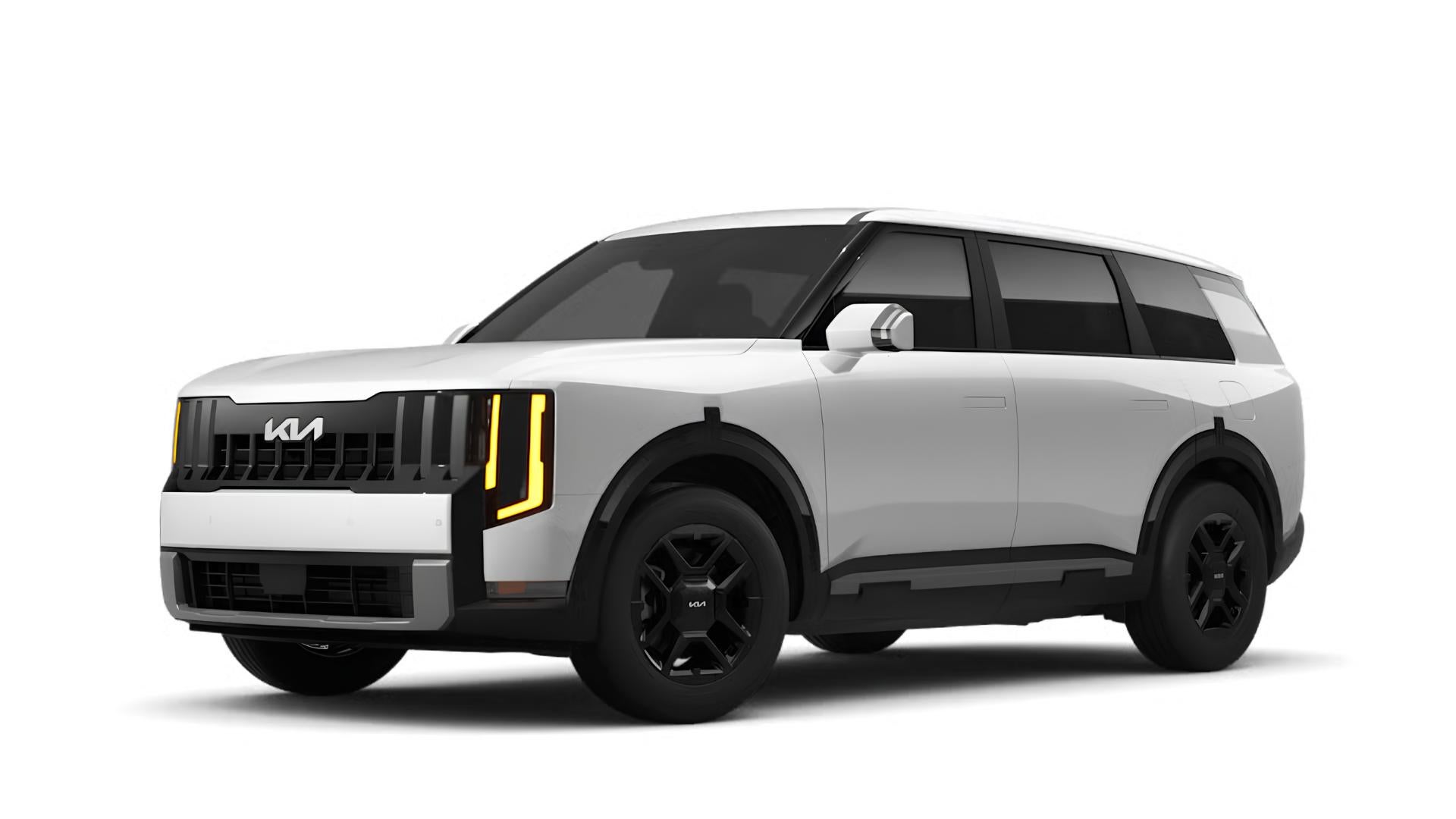
- Built-In AI Voice Assistant
- Dual Wireless Phone Chargers
- Available X-Pro Off-Road Hardware
First Impressions
A sleeker, more upscale exterior sets the redesigned Palisade apart this year, with refined lighting details replacing the outgoing model’s heavier-handed styling.
The Telluride’s redesign went a different direction entirely, doubling down on the boxy, trail-ready look the nameplate is known for rather than chasing a softer, more luxury-leaning aesthetic.
First Look:
- Palisade: Sleeker, more upscale exterior following its 2026 redesign
- Telluride: Boxy, trail-ready design carried into its 2027 redesign
- Both: Seating for seven or eight passengers
Everyday Tech That Actually Gets Used
The features that matter most aren’t always the flashiest ones. They’re the ones drivers touch every single day.
Hyundai’s Digital Key might be the single most-used feature on a new Palisade, since it removes the physical fob from the equation entirely for owners who’d rather just carry their phone. Dual 12.3-inch curved displays back that up visually, giving the dashboard a seamless, modern look that doesn’t feel bolted-on.
Kia leans into voice control instead with the Telluride, a built-in AI assistant that handles requests conversationally rather than through menus, paired with a 12.3-inch touchscreen and an available digital gauge display of its own.
Tech Rundown:
- Palisade: Dual 12.3-inch curved displays, Digital Key convenience
- Telluride: Built-in AI voice assistant, 12.3-inch touchscreen
- Both: Standard wireless smartphone connectivity
Safety Systems Families Actually Rely On
Three rows of passengers mean three rows of reasons to care about active safety technology.
Every layer of Hyundai SmartSense is engineered around real-world driving, not just checkbox features. You get adaptive cruise control, lane-keeping, blind-spot monitoring, and automatic braking working together. Highway Driving Assist 2 layers on top of that for drivers who log real highway miles, the kind of feature that earns its keep on a trip to Memphis or Dallas rather than the daily commute.
Kia backs the Telluride with its own comprehensive driver-assistance suite, built to hold up whether the trip is three minutes to school or three hours down the interstate.
Safety Snapshot:
- Palisade: Hyundai SmartSense and Highway Driving Assist 2
- Telluride: Comprehensive driver-assistance features across trims
- Both: Advanced safety systems designed for family travel
Comfort That Supports the Tech
None of this technology matters much if the cabin itself isn’t comfortable, and both automakers clearly know it.
Available Relaxation Seats on the Palisade, especially prominent on the range-topping Calligraphy trim, turn longer drives into something closer to a lounge experience than a commute. That premium feel carries through the rest of the cabin, too, from the materials to the overall fit and finish.
The Telluride keeps its focus more practical, spacious seating, and genuinely useful storage solutions across all three rows rather than a luxury-first approach.
Comfort Notes:
- Palisade: Available Relaxation Seats, premium cabin materials
- Telluride: Spacious three-row layout, practical storage throughout
- Both: Family-friendly cabins built for daily versatility
Towing and Fuel Economy
Even in a tech-and-safety-focused comparison, real-world capability still matters for families who tow gear.
The Palisade lands at 20 to 21 mpg combined, with the Telluride running slightly ahead at 20 to 22 mpg combined. Both SUVs match up evenly on towing, handling up to 5,000 lbs when properly equipped.
Capability Notes:
- Palisade: 20–21 mpg combined, up to 5,000 lbs towing
- Telluride: 20–22 mpg combined, up to 5,000 lbs towing
- Both: Available AWD and strong towing capability
Electrified Options Worth Knowing About
Neither of these SUVs is limited to gas power anymore. Hyundai added a hybrid variant to the redesigned Palisade lineup. Kia followed suit with its own hybrid Telluride trims, giving efficiency-minded families a path into either nameplate without giving up three rows of seating.
Electrified Notes:
- Palisade: Available hybrid powertrain
- Telluride: Available hybrid powertrain
- Both: Added efficiency without giving up three-row practicality
What Ownership Looks Like Down the Road
Technology and safety features age well when they’re backed by real manufacturer support.
Hyundai’s warranty on the Palisade remains one of the strongest in the industry. Also known as America’s Best Warranty, it’s an added level of confidence that extends well past the moment you drive off the lot.
Kia’s coverage on the Telluride holds up reasonably well against the segment, though it doesn’t quite match what Hyundai offers here.
Value Points:
- Palisade: Industry-leading Hyundai warranty coverage
- Telluride: Competitive warranty coverage within the segment
- Both: Backed by established manufacturer support
Which Three-Row SUV Fits Your Family in North Little Rock?
Both of these SUVs treat technology and safety as genuine priorities rather than afterthoughts, which makes this a harder call than most three-row comparisons.
Families who want the most seamless daily tech experience and the strongest warranty backing may find the Palisade the better fit. Families drawn to voice-first controls and a more rugged overall character may lean toward the Telluride instead.
Either way, families throughout North Little Rock, Little Rock, Sherwood, Jacksonville, and Cabot get a genuinely well-equipped three-row SUV built for daily life in Central Arkansas.
FAQs
Q: Which SUV makes it easier to go without a physical key?
A: The Palisade’s Digital Key feature lets a compatible smartphone fully replace the physical fob, a level of convenience the Telluride doesn’t currently match.
Q: Does the Telluride offer voice control like the Palisade?
A: Yes, though the approach differs. The Telluride uses a built-in AI voice assistant for natural conversational commands, while the Palisade relies more on its dual curved displays and Digital Key convenience.
Q: Which SUV has better long-term warranty coverage?
A: The Palisade benefits from Hyundai’s industry-leading warranty package, giving it an edge over the Telluride’s still-competitive but less extensive coverage.
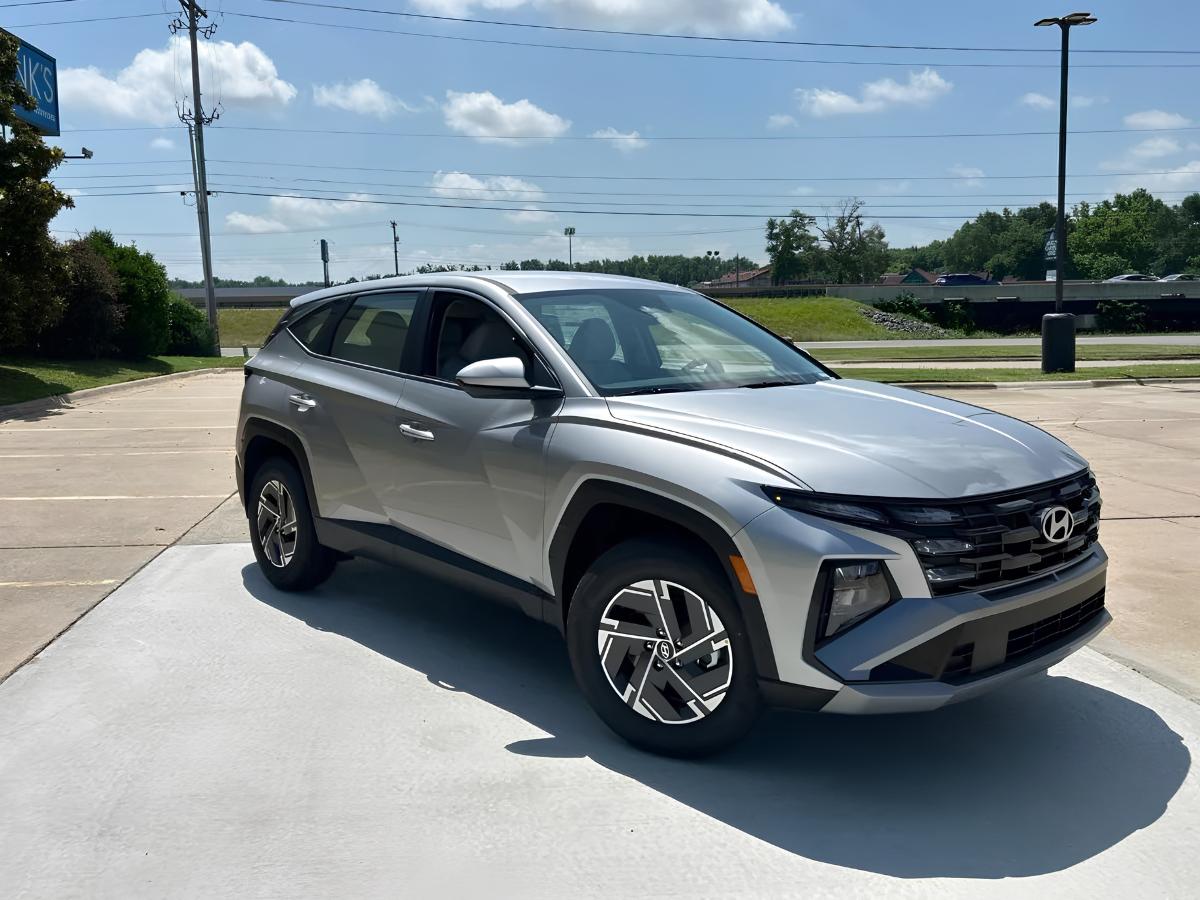
Awards season for automakers usually produces a handful of headlines that fade fast. What Hyundai pulled off in Cars.com’s 2026 evaluations is a little differentt wasn’t one category or one standout model, it was a spread of results across value rankings, a head-to-head SUV challenge, and even the used car market.
That’s the kind of thing that’s worth unpacking rather than skimming past. Cars.com isn’t in the business of flattering any one brand, so when a manufacturer places well across several separate tests with different criteria, it tends to mean something real about how the vehicles actually perform for owners. North Little Rock and Central Arkansas drivers researching their next vehicle now have a fuller picture to work with.
A Look at Where Hyundai Landed in 2026
- Hyundai Palisade: Best Value Mid-Size SUV Winner
- Hyundai Ioniq 5: Best Value EV Winner
- Hyundai Kona: Top Finisher, Subcompact SUV
- Hyundai Elantra: Top Finisher, Compact Car
- Hyundai Tucson Hybrid: 3rd Place Overall
- 2020-2021 Hyundai Elantra
- 2018-2020 Hyundai Sonata
- 2021-2022 Hyundai Venue
- 2017-2020 Hyundai Tucson
Each of these results has its own story.
Why the Palisade Won Best Value Mid-Size SUV
Cars.com didn’t just look at sticker price when picking a mid-size SUV winner. The evaluation weighed ownership costs, fuel economy, warranty coverage, and how generously safety technology gets included versus locked behind pricier trims. The Palisade held up on every front.
Much of that comes down to what’s standard rather than optional. Third-row seating ships on every trim, and the interior includes more equipment out of the gate than several competitors reserve for their top-tier models. That’s a real benefit for North Little Rock and Sherwood families who need enough room for the whole crew without a long list of add-ons to check off.
The redesigned 2026 model also picked up new exterior styling and additional powertrain options, refining a formula that was already working well. It’s a natural comparison point for anyone cross-shopping this segment, and the Palisade’s included features and cabin space stand up well against the Kia Telluride, one of its more direct rivals in the three-row space.
Ioniq 5 Takes Home Best Value EV
Electric vehicles are judged on a different set of priorities entirely, and range and charging speed typically carry more weight than they would for a traditional gas SUV. The Ioniq 5 delivered, with select trims offering up to 318 miles of range and support for fast charging.
EV interest keeps growing across Arkansas, and one detail that’s made ownership easier for existing Ioniq 5 drivers is expanded charging access. The Ioniq 5’s compatibility with Tesla Superchargers opened up a much larger charging network for North Little Rock owners, removing one of the biggest hesitations people have about going electric. Combined with its interior tech and driver-focused design, it’s easy to see why Cars.com singled it out as the segment’s best value pick. Hyundai’s EV lineup has picked up recognition in consecutive years now, not just this one.
Kona and Elantra Also Finished Near the Top
Two more Hyundai models landed as top finishers rather than category winners, which still says something in a competitive field. The Kona stood out among subcompact SUVs for efficient performance and a cabin that manages to feel roomier than its footprint suggests.
The Elantra earned similar praise among compact cars, where solid fuel economy, current safety tech, and an accessible starting price kept it near the front of the pack. Central Arkansas sedan shoppers frequently line it up against one of its best-known rivals, and the Elantra’s fuel efficiency and safety features compare well to the Honda Civic, a pairing that’s been a mainstay in this segment for years.
Tucson Hybrid Lands on the Podium in a Crowded Field
Compact SUVs may be the single toughest category to stand out in right now, which makes any podium finish worth a second look. In Cars.com’s Compact SUV Challenge, the Tucson Hybrid Limited went up against several of the segment’s biggest names and still landed in third overall.
Judges pointed to its class-leading cargo capacity within the challenge, along with a well-organized interior and a hybrid powertrain that runs smoothly rather than feeling like a trade-off for efficiency. A long list of included comfort features helped its overall value score, too. It’s often weighed against one of its most established rivals, and the Tucson’s interior space and fuel economy compare favorably to the Toyota RAV4, a matchup that highlights just how much the Tucson Hybrid brings to the table.
Used Hyundai Models Made the $15,000 List Too
New vehicles weren’t the whole story this year. Cars.com combed through thousands of used listings nationwide to build its Best Used Cars Around $15,000 list, and four Hyundai models landed spots.
- 2020-2021 Hyundai Elantra: strong fuel economy, updated safety features, low cost to own
- 2018-2020 Hyundai Sonata: comfortable ride, spacious cabin, strong value in the midsize sedan class
- 2021-2022 Hyundai Venue: compact size that’s easy to park, distinctive styling, budget-friendly crossover option
- 2017-2020 Hyundai Tucson: practical everyday SUV, dependable safety scores, low-maintenance ownership
For North Little Rock buyers working with a tighter budget, this list is a solid reminder that Hyundai’s value holds up well beyond the new-car lot.
The Bigger Picture Behind These Results
One award can happen for a lot of reasons that have nothing to do with the vehicle itself, timing, a thin field, or a narrow scoring margin. Placing well across three distinct evaluations, each measuring something different, is a lot harder to chalk up to luck.
The Best Value Awards weighed affordability against ownership costs and included features. The Compact SUV Challenge involved direct, competitive testing against established rivals. The used car list focused entirely on long-term reliability and resale value. Hyundai came out ahead in all three, and that consistency is the part worth paying attention to.
It points to a lineup built around what people actually care about after they’ve signed the paperwork, not just what looks impressive on the showroom floor. For drivers throughout North Little Rock and Central Arkansas, that’s reason enough to see what’s currently available.
FAQ
Which Hyundai won Cars.com’s Best Value Mid-Size SUV award?
The 2026 Hyundai Palisade earned the win, recognized for its standard third-row seating, spacious cabin, and long list of included features.
Which Hyundai electric vehicle earned recognition from Cars.com?
The 2026 Hyundai Ioniq 5 was named Best Value EV, praised for its range, fast-charging capability, and overall ownership value.
Which Hyundai models made Cars.com’s Best Used Cars Around $15,000 list?
The Elantra, Sonata, Venue, and Tucson all earned spots on the list of top used vehicles near that price point.
How did the Hyundai Tucson Hybrid perform in Cars.com’s Compact SUV Challenge?
It finished third overall, earning praise for cargo space, cabin design, value, and smooth hybrid performance.
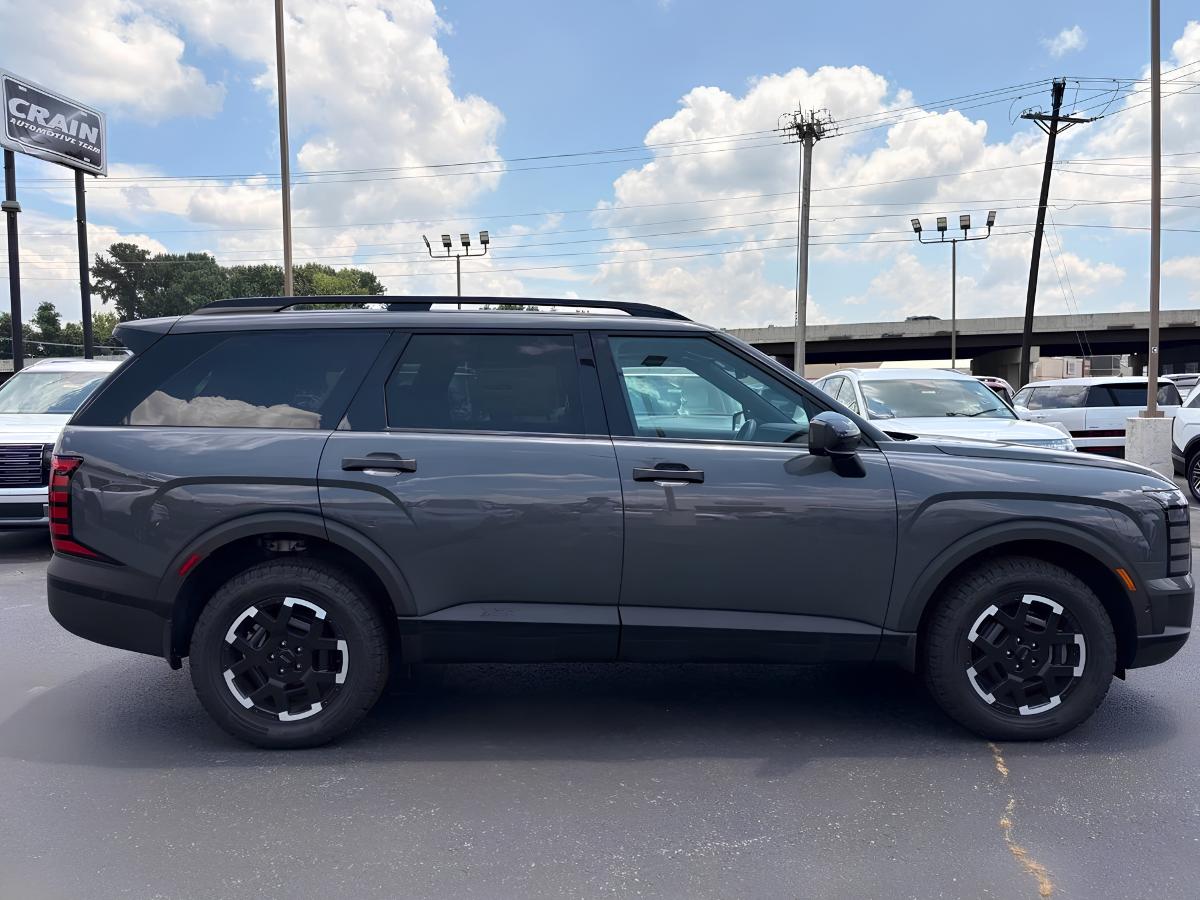
TL;DR: Hyundai earned eight IIHS safety awards for 2026, led by a Top Safety Pick+ for the redesigned Palisade. The honors cover SUVs, sedans, and EVs, and arrive the same year IIHS raised its testing standards, particularly around rear-seat protection. For North Little Rock shoppers comparing family vehicles, that’s a strong signal of where Hyundai stands.
Every year, the Insurance Institute for Highway Safety hands out its most demanding honors, and every year it gets a little harder to earn them. For 2026, Hyundai brought home eight total IIHS safety awards, including a Top Safety Pick+ for the all-new Palisade, the organization’s highest possible distinction.
That’s a strong result on its own, but the timing makes it more impressive. IIHS raised its requirements for 2026, and Hyundai didn’t just clear the new bar with a single vehicle. The brand cleared it across seven models, plus an eighth that earned the next tier down.
For North Little Rock drivers comparing a Hyundai dealer near me against other options in Central Arkansas, that kind of consistency across the lineup is worth paying attention to.
The Full List of Hyundai’s 2026 IIHS Winners
Hyundai’s 2026 results weren’t concentrated in one segment. Recognition reached across nearly every type of vehicle the brand sells.
2026 IIHS Top Safety Pick+ Winners
- Hyundai Palisade
- Hyundai IONIQ 5
- Hyundai IONIQ 9
- Hyundai Sonata
- Hyundai Kona
- Hyundai Tucson
- Hyundai Santa Fe
2026 IIHS Top Safety Pick Winner
- Hyundai Elantra
Eight nameplates earning recognition in a single year isn’t something every automaker can claim, and it points to safety being a baseline expectation across Hyundai’s lineup rather than a feature limited to one or two flagship models.
Why 2026’s Awards Are Tougher to Earn
IIHS doesn’t leave its testing standards untouched year after year. For 2026, the organization introduced some of its more demanding updates yet, covering moderate and small overlap crash testing, side-impact protection, pedestrian crash prevention, updated vehicle-to-vehicle crash prevention, headlight performance, and rear-seat occupant protection.
That last category carries the most weight. Testing has traditionally focused heavily on front-seat protection, but IIHS has shifted much of its attention to the back seat, requiring automakers to prove their vehicles hold up there, too. A strong front-row result is no longer enough on its own. Vehicles now need to demonstrate protection throughout the entire cabin, backed by technology built to help prevent a crash before it happens.
The Redesigned Palisade Sets the Standard
Of Hyundai’s eight winners, the Palisade’s result stands out the most. This is a fully redesigned generation, built after November 2025, and it earned IIHS’s top rating in its first year on the market.
The Palisade performed well across every major testing category, including moderate and small overlap crash protection, side-impact results, and both pedestrian and vehicle-to-vehicle crash prevention systems.
IIHS specifically highlighted the Palisade’s improvements to second-row protection, a direct reflection of the organization’s focus in its updated 2026 standards. North Little Rock families cross-shopping three-row SUVs can get a closer look at what makes the redesigned Palisade a smarter, more capable three-row SUV.
Recognition Spans SUVs, Sedans, and EVs Alike
What sets this year apart is the range of vehicles that earned honors. Three-row SUVs like the Palisade and Santa Fe made the list, along with compact SUVs like the Tucson and Kona, EVs like the IONIQ 5 and IONIQ 9, and sedans like the Sonata and Elantra.
That range matters for shoppers considering different types of vehicles. Those looking at Hyundai’s electric lineup can explore the automaker’s growing collection of award-winning electric models.
On the sedan side, the Elantra’s Top Safety Pick award adds credibility to a car already known for its value, and shoppers comparing compact sedans may find it useful to see how the Elantra measures up against the Honda Civic.
SmartSense Adds Another Layer of Protection
Crash test results only tell part of the story. The rest comes down to what happens before impact, and that’s where Hyundai SmartSense comes in.
Every 2026 Hyundai includes six standard SmartSense features:
- Lane Departure Warning
- Lane Keep Assist
- Driver Attention Warning
- Forward Collision-Avoidance Assist with Pedestrian Detection
- Rear Occupant Alert
- High Beam Assist
These systems aren’t a substitute for attentive driving, but they’re designed to catch what a driver might miss, whether that’s a vehicle merging into a blind spot on I-40 or a pedestrian stepping off a curb after dark. IIHS factors this kind of crash-prevention technology directly into its testing, and Hyundai’s standard suite of driver-assistance features plays a real role in these results.
What This Means for North Little Rock Shoppers
Earning one safety award in a given year is a solid accomplishment. Earning eight, in a year IIHS made its testing noticeably tougher, points to something bigger. It shows Hyundai isn’t relying on a single model to carry the brand’s safety reputation.
This isn’t new territory for Hyundai, either. The brand has built a track record of strong, repeated Top Safety Pick recognition from IIHS, suggesting 2026 will continue that trend.
For drivers throughout North Little Rock and Central Arkansas, that consistency is worth factoring in before narrowing down a shortlist. Safety, comfort, and value don’t have to be competing priorities.
Whichever model catches your eye, you can browse specs, trims, and photos for the full lineup on our 2026 Hyundai Model Research Page.
FAQ
What separates a Top Safety Pick+ award from a standard Top Safety Pick?
Top Safety Pick+ is IIHS’s highest distinction, requiring stronger performance in crash prevention, headlight quality, and occupant protection than a standard Top Safety Pick.
Which Hyundai earned a Top Safety Pick instead of Top Safety Pick+ for 2026?
The Elantra received a Top Safety Pick award, IIHS’s second-highest safety distinction.
Why did IIHS awards get harder to earn in 2026?
IIHS increased its focus on rear-seat occupant protection this year, alongside tougher pedestrian safety and vehicle-to-vehicle crash prevention testing.
Which Hyundai vehicles won Top Safety Pick+ for 2026?
Seven models earned the award: the Palisade, IONIQ 5, IONIQ 9, Sonata, Kona, Tucson, and Santa Fe.
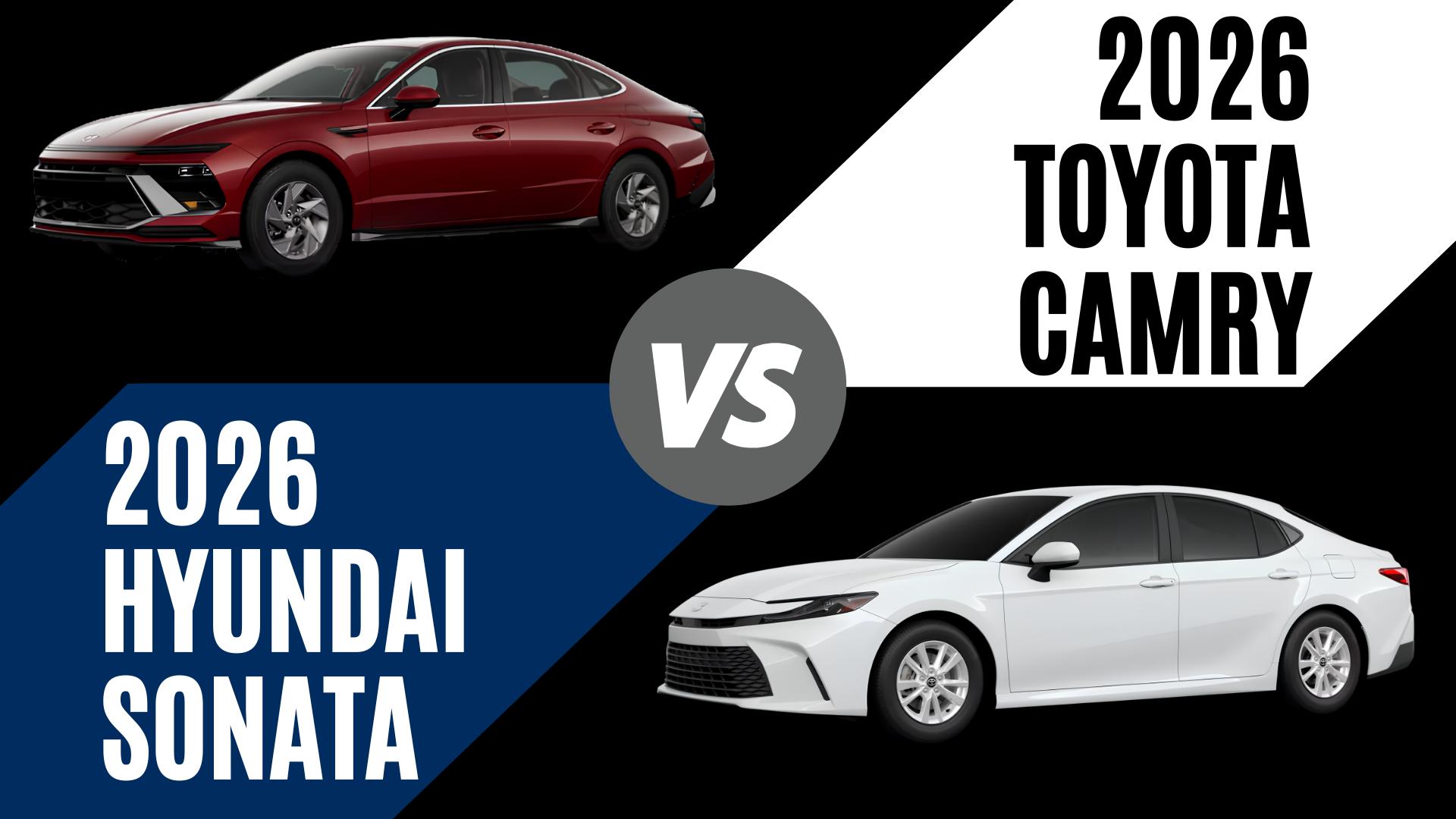
Two Popular Sedans, Two Different Paths to Efficiency
SUVs may dominate headlines, but midsize sedans continue to offer a compelling combination of comfort, fuel economy, technology, and value. The 2026 Hyundai Sonata and 2026 Toyota Camry remain two of the most recognizable names in the segment, yet they approach those priorities in very different ways.
The biggest distinction appears before the first test drive. Toyota now offers the Camry exclusively with hybrid powertrains, while Hyundai continues giving Sonata buyers a choice between a traditional gas-powered sedan and an available hybrid model.
That flexibility creates a different ownership experience and gives North Little Rock-area drivers more options when balancing fuel economy, driving feel, technology, and long-term value.
Drivers comparing Hyundai’s sedan lineup may also want to see how the smaller Hyundai Elantra stacks up against the Honda Civic.
Vehicle Comparison
2026 Hyundai Sonata
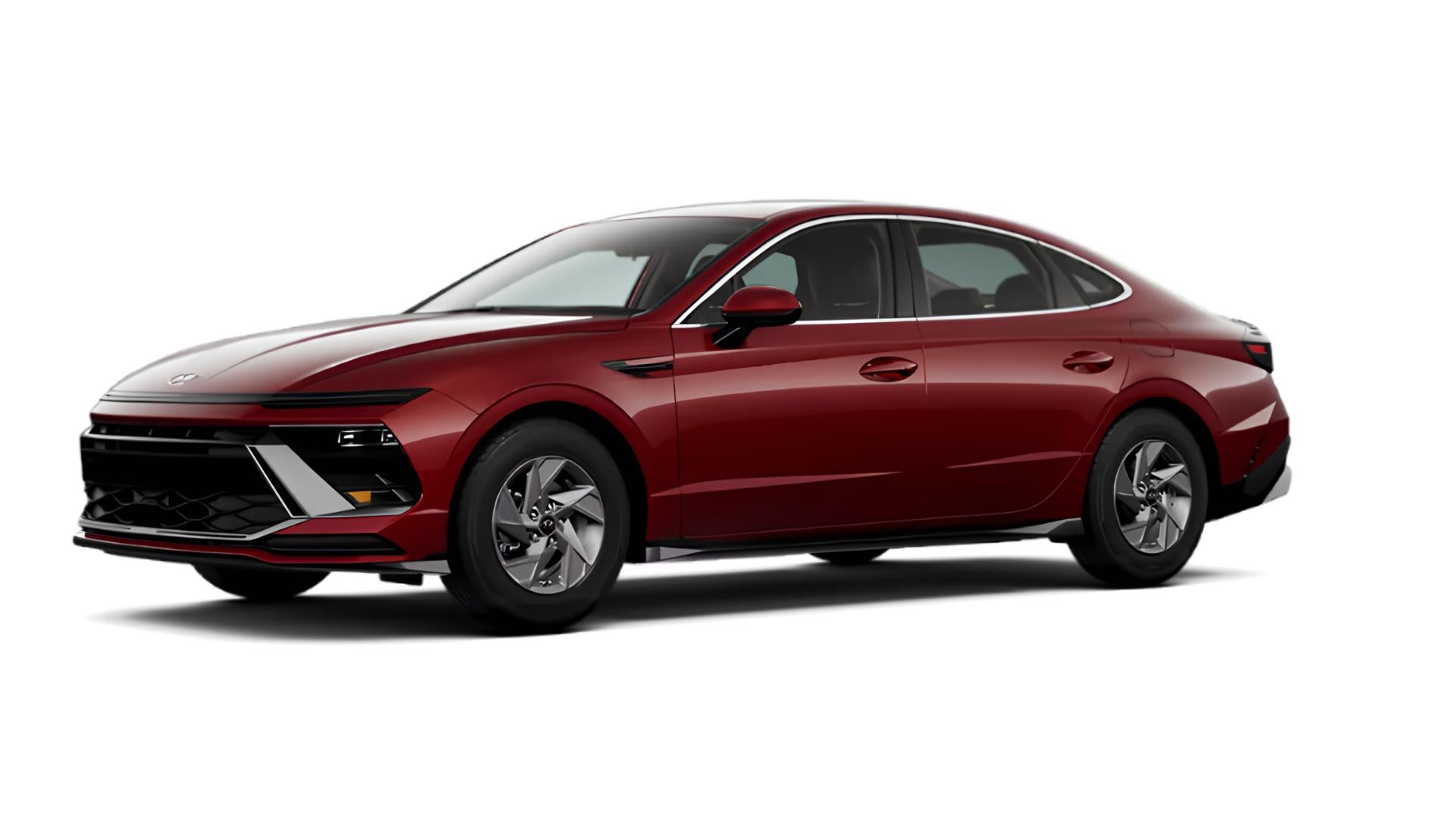
- Dual 12.3″ Display Screens
- Remote Smart Parking
- Bose Premium Audio
2026 Toyota Camry
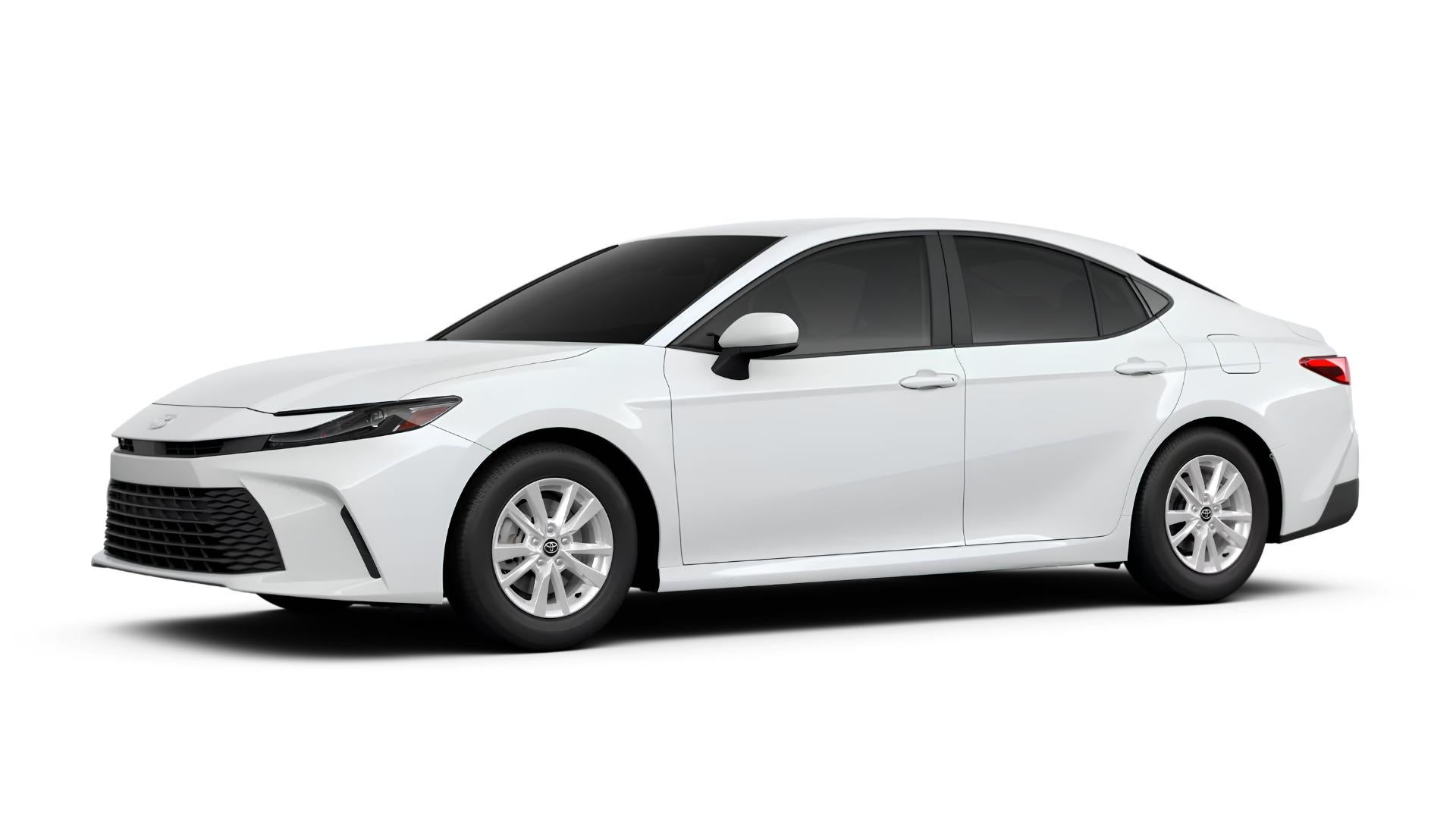
- Toyota Safety Features
- JBL Premium Audio
- 12.3″ Digital Gauge Cluster
Bold Styling Helps the Sonata Stand Apart
Many modern sedans look similar at first glance, but these two models establish distinct personalities.
The Sonata embraces a more expressive design language with dramatic lighting elements, clean body contours, and a sleek profile that feels modern without becoming overly aggressive. Inside, the dashboard layout centers around a technology-forward design that gives the cabin a premium appearance.
Toyota takes a more traditional approach with the Camry. Its styling remains attractive and recognizable, but the overall presentation focuses more on familiarity than visual drama.
Both vehicles offer practical transportation, though the Sonata makes a stronger first impression.
Design Highlights
- Sonata: Modern styling and a technology-focused cabin
- Camry: Clean, familiar design language
- Both: Comfortable midsize sedans with seating for five
Different Powertrains Create Different Driving Experiences
One sedan gives buyers choices. The other commits fully to hybrid efficiency.
The gas-powered Sonata uses a 191-horsepower four-cylinder engine paired with a conventional eight-speed automatic transmission. Hyundai’s decision to retain a traditional automatic helps create a smoother and more natural driving character than many continuously variable transmissions.
Toyota equips every Camry with a hybrid system. Front-wheel-drive models produce 225 horsepower, while all-wheel-drive versions increase output to 232 horsepower. Around town, the electric motor assistance helps the Camry feel responsive while maximizing fuel savings.
Drivers interested in greater efficiency can still choose a Sonata Hybrid, but Hyundai’s lineup allows buyers to decide whether a traditional gas engine or a hybrid powertrain best fits their needs.
Performance Comparison Highlights
- Sonata: 191-hp gas engine with a conventional automatic transmission
- Camry: Hybrid-only lineup producing 225–232 hp
- Both: Available all-wheel drive configurations
Comfort and Cabin Space Remain Everyday Priorities
Numbers on a spec sheet only tell part of the story. Living with a vehicle every day often comes down to seat comfort, cabin layout, and overall refinement.
The Sonata offers generous front-seat space, supportive seating, and materials that feel more upscale than many shoppers expect in this price range. Hyundai’s cabin design also helps create an airy and open atmosphere.
The Camry counters with a spacious interior of its own, giving front and rear passengers plenty of room for commuting, errands, and longer highway trips. Dual-zone climate control and available premium amenities add to the experience.
Neither sedan feels cramped, but the Sonata delivers a slightly more modern interior environment.
Interior Comfort Highlights
- Sonata: Spacious front seating and premium-feeling cabin
- Camry: Comfortable accommodations with practical design
- Both: Roomy interiors built for daily use
Technology Favors Hyundai’s Standard Equipment Strategy
Technology has become one of the most important differentiators in the sedan market.
Every Sonata comes equipped with a 12.3-inch touchscreen, wireless Apple CarPlay, and wireless Android Auto. Hyundai also integrates dual-screen styling into the dashboard, helping the cabin feel more advanced and upscale. Drivers interested in Hyundai’s connected technology ecosystem can learn more about Digital Key technology and other convenience features.
Toyota equips the Camry with an 8-inch standard touchscreen while reserving its larger 12.3-inch display for select trims. Higher trims also offer a fully digital 12.3-inch gauge cluster and an available JBL premium audio system.
Technology Highlights
- Sonata: Standard 12.3-inch touchscreen and wireless smartphone connectivity
- Camry: Available 12.3-inch touchscreen and digital gauge cluster
- Both: Modern infotainment and connectivity features
Advanced Safety Features Come Standard
Driver-assistance technology is a major strength for both manufacturers.
The Sonata includes Hyundai SmartSense, which bundles adaptive cruise control, lane-keeping assistance, lane-centering assistance, blind-spot monitoring, rear cross-traffic alert, and automatic emergency braking. Hyundai continues expanding these systems to improve confidence during daily commuting and highway travel.
Toyota equips every Camry with a broad collection of standard driver-assistance features as well, including adaptive cruise control, lane-centering assistance, automated emergency braking, and pedestrian detection.
Safety is a strong category for both sedans, making either one a compelling choice for families and commuters.
Safety Highlights
- Sonata: Hyundai SmartSense suite
- Camry: Standard hybrid-era Toyota safety systems
- Both: Extensive driver-assistance technology
Fuel Economy Gives the Camry a Clear Advantage
Efficiency remains one of the primary reasons buyers compare these two vehicles.
Gas-powered Sonata models achieve up to 28 MPG city and 38 MPG highway while still offering available all-wheel drive. Hyundai also gives buyers the option of stepping up to a Sonata Hybrid if maximizing MPG becomes the priority.
The Camry’s hybrid-only strategy pays dividends at the pump. Front-wheel-drive models reach up to 52 MPG city and 49 MPG highway, while all-wheel-drive versions remain impressively efficient.
Toyota clearly wins the fuel economy battle. Hyundai wins the flexibility battle.
Drivers comparing fuel-conscious vehicles may also want to explore award-winning Hyundai value and efficiency.
Efficiency Highlights
- Sonata: Gas and hybrid powertrains available
- Camry: Exceptional hybrid fuel economy
- Both: Efficient choices for Central Arkansas commuting
Ownership Value Continues to Favor Hyundai
A vehicle’s value extends well beyond its purchase price.
Hyundai supports Sonata owners with a 10-year/100,000-mile powertrain warranty and three years of complimentary maintenance coverage. Those benefits help reduce ownership costs while providing added confidence over the long term.
Toyota maintains a strong reputation for reliability and includes complimentary scheduled maintenance, but its overall warranty coverage remains shorter than Hyundai’s.
For buyers planning to keep their vehicle for many years, Hyundai’s ownership advantages remain difficult to ignore. Learn more about America’s Best Warranty and Hyundai’s commitment to long-term ownership confidence.
Ownership Value Highlights
- Sonata: Longer warranty and more complimentary maintenance
- Camry: Strong reliability reputation
- Hyundai: More comprehensive ownership coverage
Which Sedan Fits North Little Rock Drivers Best?
The Toyota Camry makes an excellent case for buyers who want maximum fuel economy and appreciate the simplicity of a hybrid-only lineup.
The Hyundai Sonata takes a broader approach. Available gas and hybrid powertrains, a larger standard touchscreen, wireless smartphone integration, available Bose audio, available all-wheel drive, and class-leading warranty coverage help create a more flexible ownership experience.
For many North Little Rock, Little Rock, Sherwood, and Jacksonville drivers, that combination of technology, comfort, choice, and long-term value helps the Sonata stand out as the more complete package.
FAQs
Is the 2026 Toyota Camry only available as a hybrid?
Yes. Toyota offers every 2026 Camry with a hybrid powertrain, regardless of trim level.
Does the Hyundai Sonata offer all-wheel drive?
Yes. Hyundai offers available all-wheel drive on gas-powered Sonata models, giving buyers additional traction when desired.
Which sedan offers better fuel economy?
The Camry delivers significantly higher MPG ratings thanks to its hybrid-only lineup, though Hyundai offers both gas-powered and hybrid Sonata models to fit different priorities.
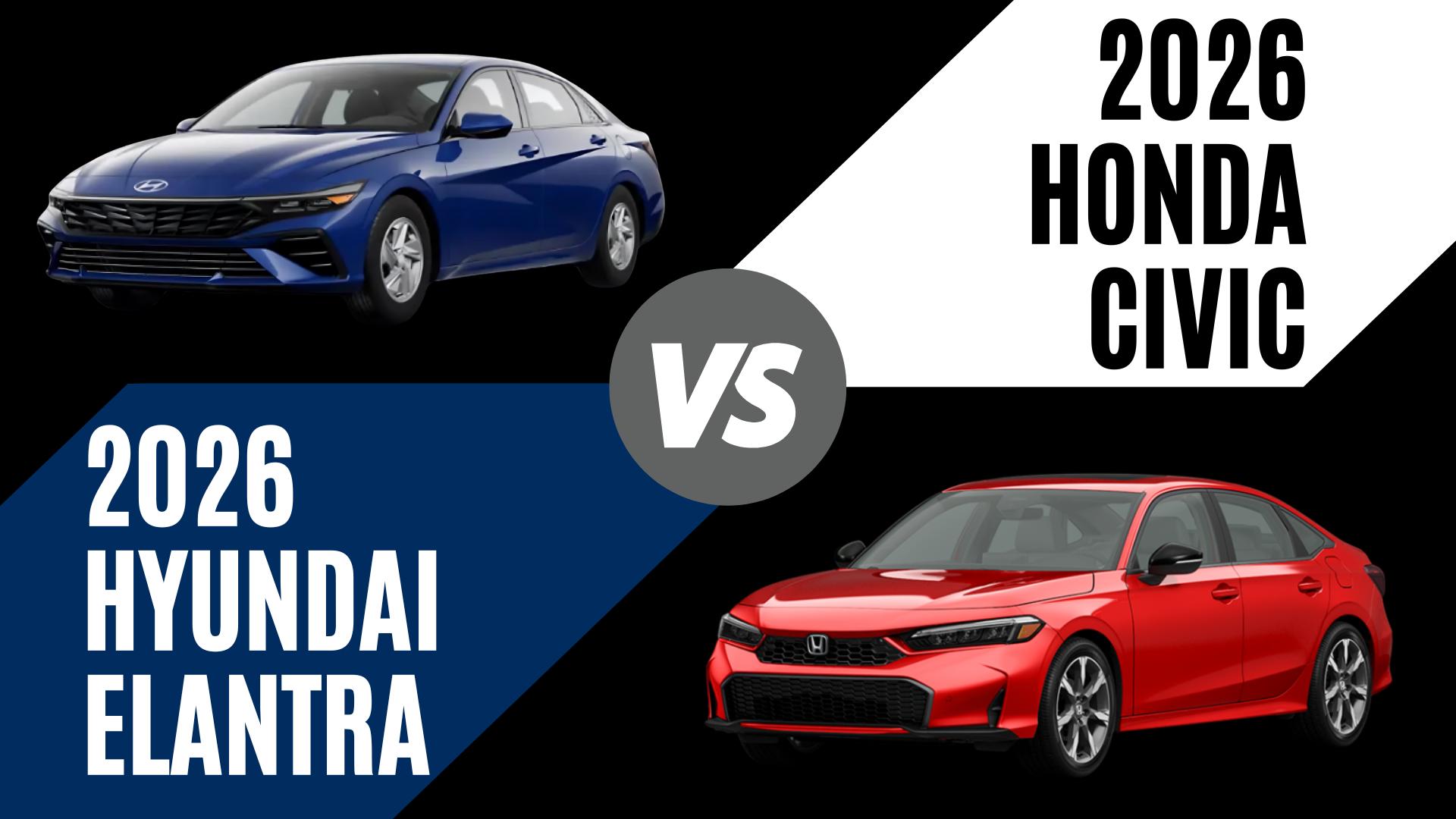
Comparing Two Compact Sedans Built for Everyday Driving
Compact sedans remain a smart choice for drivers who want excellent fuel efficiency, modern technology, and everyday practicality without moving into a larger vehicle segment. The 2026 Hyundai Elantra and 2026 Honda Civic remain two of the strongest contenders in this category, offering comfortable cabins, advanced safety features, and commuter-friendly efficiency.
Anyone comparing the 2026 Hyundai Elantra vs Honda Civic in North Little Rock, AR will quickly notice that both sedans excel at daily driving. However, they take slightly different approaches when it comes to styling, technology, driving character, and long-term ownership value.
This comparison focuses on the gas-powered versions of both vehicles. While hybrid variants are available in each lineup, the goal here is to help shoppers evaluate the strengths of the standard Elantra and Civic models.
Drivers exploring compact sedan options may also want to see how the Elantra compares against another long-time rival in Central Arkansas, the Toyota Corolla.
Hyundai Gives the Elantra a More Distinctive Design
Although both sedans deliver a modern appearance, Hyundai and Honda have taken very different design paths.
The Elantra embraces a bold, contemporary look with sharp body lines, angular lighting elements, and a sporty profile that helps it stand out in traffic. Inside, Hyundai complements the exterior styling with a driver-focused dashboard design that feels modern and intentionally crafted around the driver.
Honda gives the Civic a cleaner and more understated appearance. Smooth body contours and restrained styling cues create a timeless design that appeals to drivers who prefer a more traditional sedan aesthetic.
While both vehicles are easy to maneuver and practical for everyday use, the Elantra makes a stronger visual statement both inside and out.
Style Comparison at a Glance
- Elantra: Bold styling with a driver-focused cabin
- Civic: Clean, understated exterior design
- Both: Comfortable compact sedans with seating for five
Comfort vs Sport: Two Different Driving Personalities
One of the most noticeable differences between these sedans appears once you’re behind the wheel.
The Elantra emphasizes ride comfort and composure. Whether navigating North Little Rock traffic, commuting into downtown Little Rock, or traveling longer distances across Arkansas, the Elantra delivers a smooth and confident driving experience designed around everyday usability.
The Civic takes a more athletic approach. Responsive steering and agile handling characteristics help create a more engaging feel through corners and during quick maneuvers.
For many daily commuters, however, the Elantra’s comfort-focused tuning may prove more appealing over time.
Driving Experience Differences
- Elantra: Smooth ride quality and comfortable road manners
- Civic: Responsive steering and sportier handling
- Both: Excellent choices for daily commuting
Interior Space Remains a Strength for Both Sedans
Passenger comfort remains a priority in both models.
The Elantra offers generous interior room for a compact sedan, particularly for rear-seat passengers. Cargo capacity is also practical for groceries, luggage, work equipment, and everyday errands.
The Civic delivers a spacious cabin as well, featuring practical storage solutions and intuitive controls that make the interior easy to use.
While both vehicles provide comfortable accommodations, the Elantra’s dashboard design and available digital displays help create a more contemporary atmosphere.
Cabin Space Takeaways
- Elantra: Spacious cabin with modern design
- Civic: Practical layout with useful storage solutions
- Both: Comfortable seating for five passengers
Hyundai Delivers a More Advanced Technology Experience
Technology continues to be one of the biggest deciding factors for compact sedan buyers.
The Elantra offers available dual 10.3-inch displays that combine key vehicle information and infotainment functions into a sleek, unified digital environment. This setup contributes significantly to the Elantra’s upscale appearance and modern feel.
The Civic comes standard with a 7-inch touchscreen and offers an available 9-inch touchscreen on select trims.
Both vehicles provide smartphone connectivity and modern infotainment capabilities. However, Hyundai’s available dual-screen configuration gives the Elantra a more sophisticated technology presentation. Drivers who appreciate advanced connectivity features may also be interested in how Hyundai is expanding smartphone-based vehicle access and digital convenience tools, like Hyundai Digital Key 2.
Technology Comparison Snapshot
- Elantra: Available dual 10.3-inch displays
- Civic: Available 9-inch touchscreen
- Both: Modern infotainment and smartphone integration
Both Sedans Offer Advanced Safety Technology
Safety technology remains a major focus for both Hyundai and Honda.
The Elantra features Hyundai SmartSense, which includes advanced driver-assistance technologies such as lane-keeping assistance, driver attention warning, and available adaptive cruise control depending on trim level.
Honda equips every Civic with Honda Sensing, providing a similar suite of driver-assistance technologies that help support awareness and confidence on the road.
Hyundai continues to invest heavily in safety innovation with Hyundai SmartSense, giving shoppers more confidence during commutes, errands, and longer drives around Central Arkansas.
Safety Feature Overview
- Elantra: Hyundai SmartSense safety technology
- Civic: Honda Sensing driver-assistance features
- Both: Comprehensive safety and driver-assistance systems
Performance, AWD Availability, and Fuel Economy
Efficiency remains one of the most important considerations for compact sedan shoppers.
The 2026 Hyundai Elantra produces 147 horsepower and achieves up to 31 MPG city and 40 MPG highway, making it an excellent option for both commuting and highway travel.
The 2026 Honda Civic generates 150 horsepower and reaches up to 36 MPG combined, depending on trim and configuration.
Neither sedan offers all-wheel drive availability, which is typical within the compact sedan segment.
Both vehicles also offer hybrid variants for drivers seeking even greater efficiency, although this comparison focuses specifically on the gas-powered models.
Efficiency and Performance Breakdown
- Elantra: 147 horsepower and up to 31 city / 40 highway MPG
- Civic: 150 horsepower and up to 36 MPG combined
- Both: Fuel-efficient compact sedans without AWD availability
Hyundai Continues Offering Stronger Ownership Value
Long-term ownership costs often matter just as much as fuel economy and technology.
One area where the Elantra clearly differentiates itself is Hyundai’s ownership coverage. Hyundai’s 10-year/100,000-mile powertrain warranty and complimentary maintenance program help reduce long-term ownership expenses while providing additional peace of mind.
Honda continues to maintain a strong reputation for reliability, but its warranty coverage does not match Hyundai’s ownership support package.
For many North Little Rock-area shoppers, industry-leading warranty protection can become a major advantage when choosing between compact sedans. It’s hard to be America’s Best Warranty with a Hyundai.
Long-Term Ownership Advantages
- Elantra: Longer warranty coverage and complimentary maintenance
- Civic: Strong reliability reputation
- Hyundai: Greater long-term ownership support
Which Compact Sedan Fits North Little Rock Drivers Better?
The Honda Civic remains a compelling option for drivers who prioritize sporty handling and responsive road manners.
For many North Little Rock drivers, however, the 2026 Hyundai Elantra offers the more complete overall package. Its combination of advanced technology, spacious interior, strong fuel economy, comprehensive safety systems, and industry-leading ownership coverage creates exceptional value in the compact sedan segment.
Whether you’re commuting across Central Arkansas, navigating city traffic, or simply looking for a sedan that balances efficiency and comfort, the Elantra delivers advantages that continue to resonate with a wide variety of drivers.
Ready to experience the Hyundai Elantra in person? Visit Crain Hyundai of North Little Rock to explore available trims and features today.
FAQs
Which compact sedan is better for commuting in North Little Rock?
Both the 2026 Hyundai Elantra and 2026 Honda Civic are efficient commuter vehicles, but the Elantra stands out with its combination of available dual-screen technology, comfortable ride quality, and strong highway fuel economy.
Do the Hyundai Elantra and Honda Civic offer advanced driver-assistance features?
Yes. The Elantra includes Hyundai SmartSense safety technologies, while the Civic comes equipped with Honda Sensing. Both systems are designed to help support driver awareness and confidence during everyday travel.
Why do many shoppers choose the Hyundai Elantra over the Honda Civic?
Many buyers are attracted to the Elantra’s modern interior design, available technology features, strong fuel efficiency, and Hyundai’s industry-leading warranty coverage, all of which contribute to long-term ownership value.
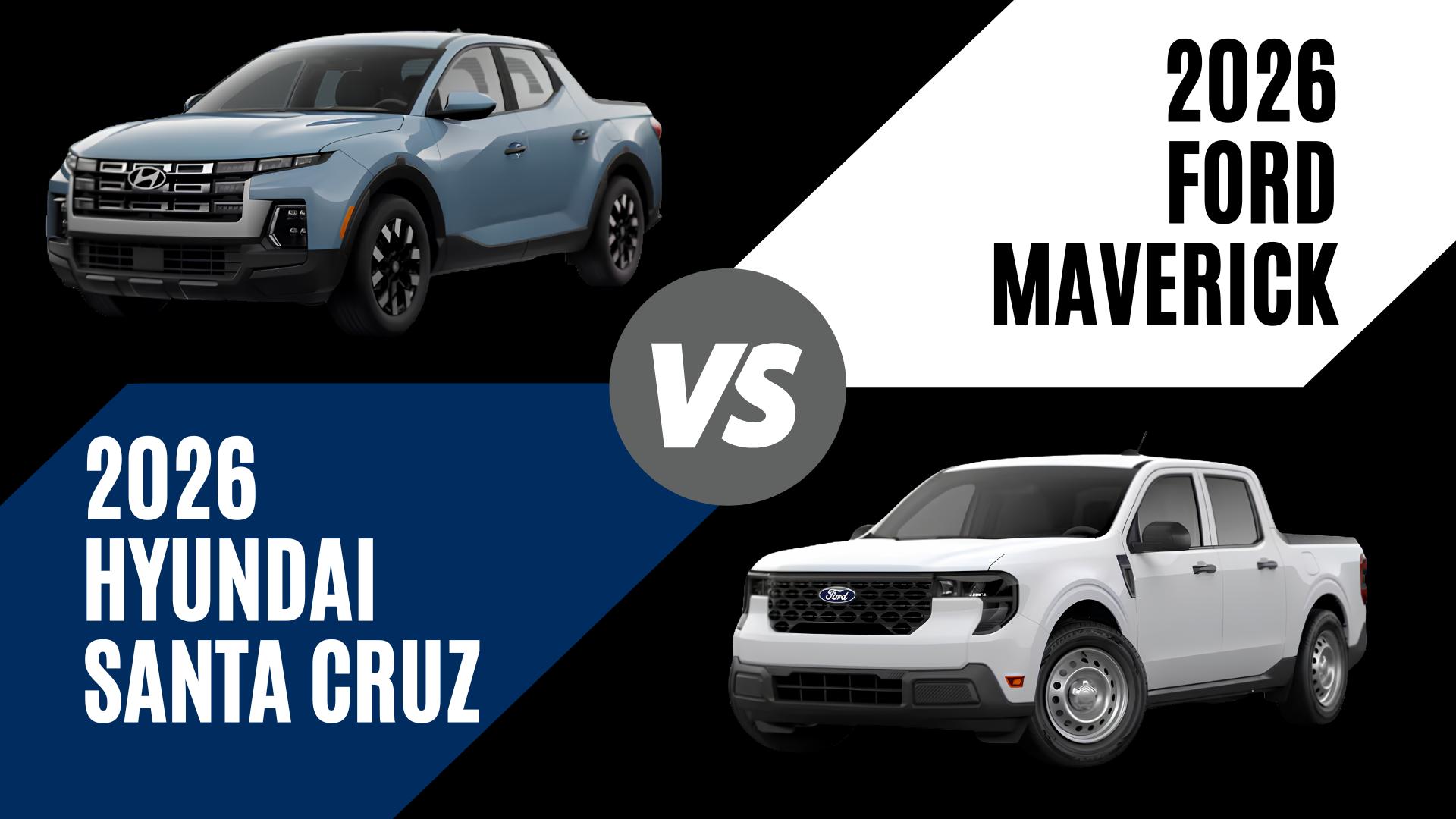
Two Compact Trucks With Very Different Priorities
Smaller pickup trucks continue to attract drivers who want everyday practicality without moving up to a full-size truck. The Hyundai Santa Cruz and Ford Maverick both combine pickup utility with crossover-like drivability, although they approach performance, comfort, and efficiency in different ways.
Anyone comparing the 2026 Hyundai Santa Cruz vs 2026 Ford Maverick in North Little Rock, AR will quickly notice that these trucks target different lifestyles. Ford leans heavily on affordability and fuel efficiency, while Hyundai positions the Santa Cruz as a more refined, performance-oriented alternative with stronger premium appeal.
Available AWD capability, flexible cargo space, and modern technology help both trucks fit naturally into daily life throughout Central Arkansas.
Shoppers researching Hyundai trucks can also compare how the Santa Cruz stacks up against other midsize utility-focused models, like the Honda Ridgeline.
Vehicle Comparison
2026 Hyundai Santa Cruz
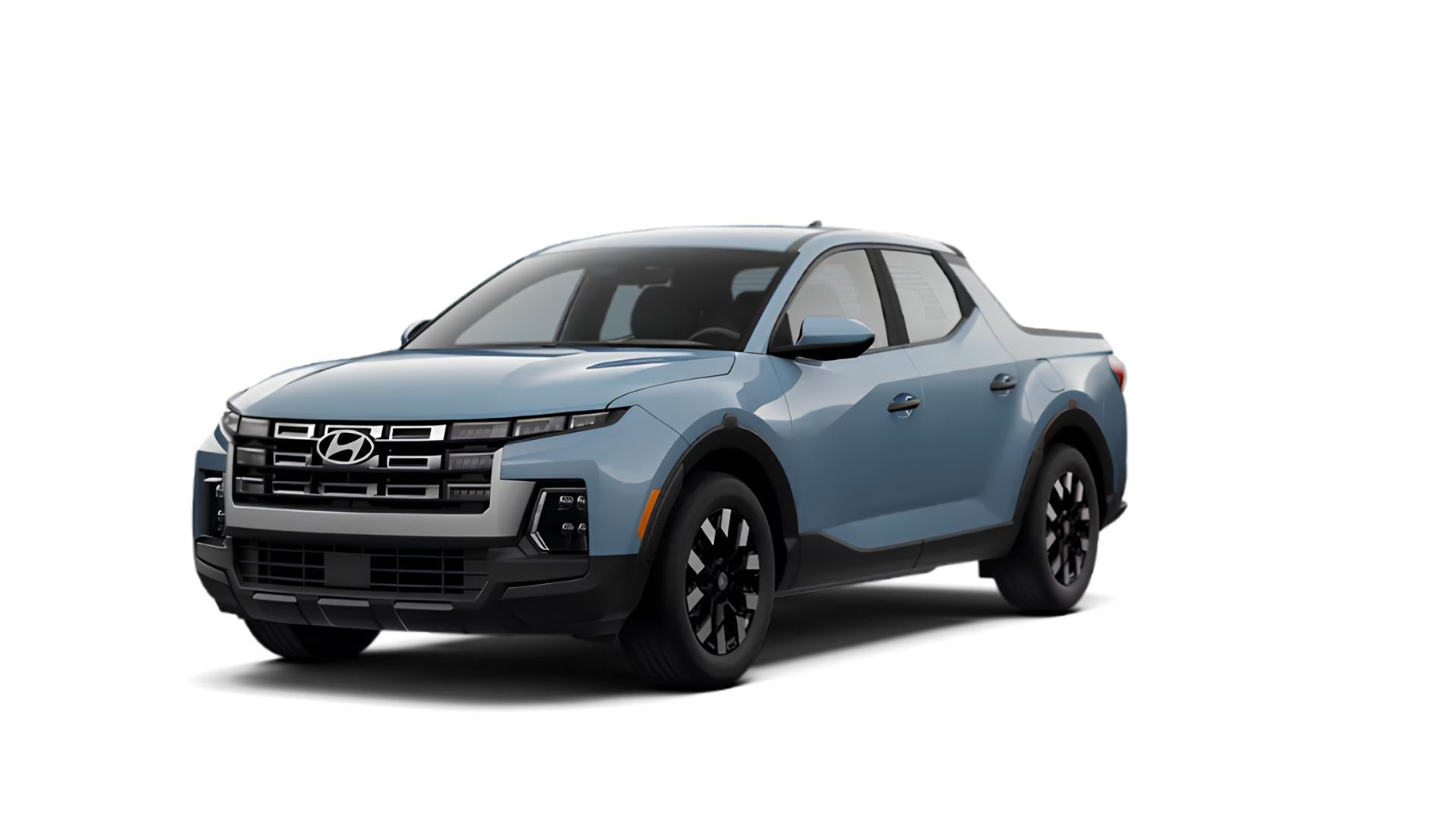
- Available 281-hp Turbo Engine
- Refined Interior & Premium Cabin
- In-Bed Storage & Tonneau Cover
2026 Ford Maverick
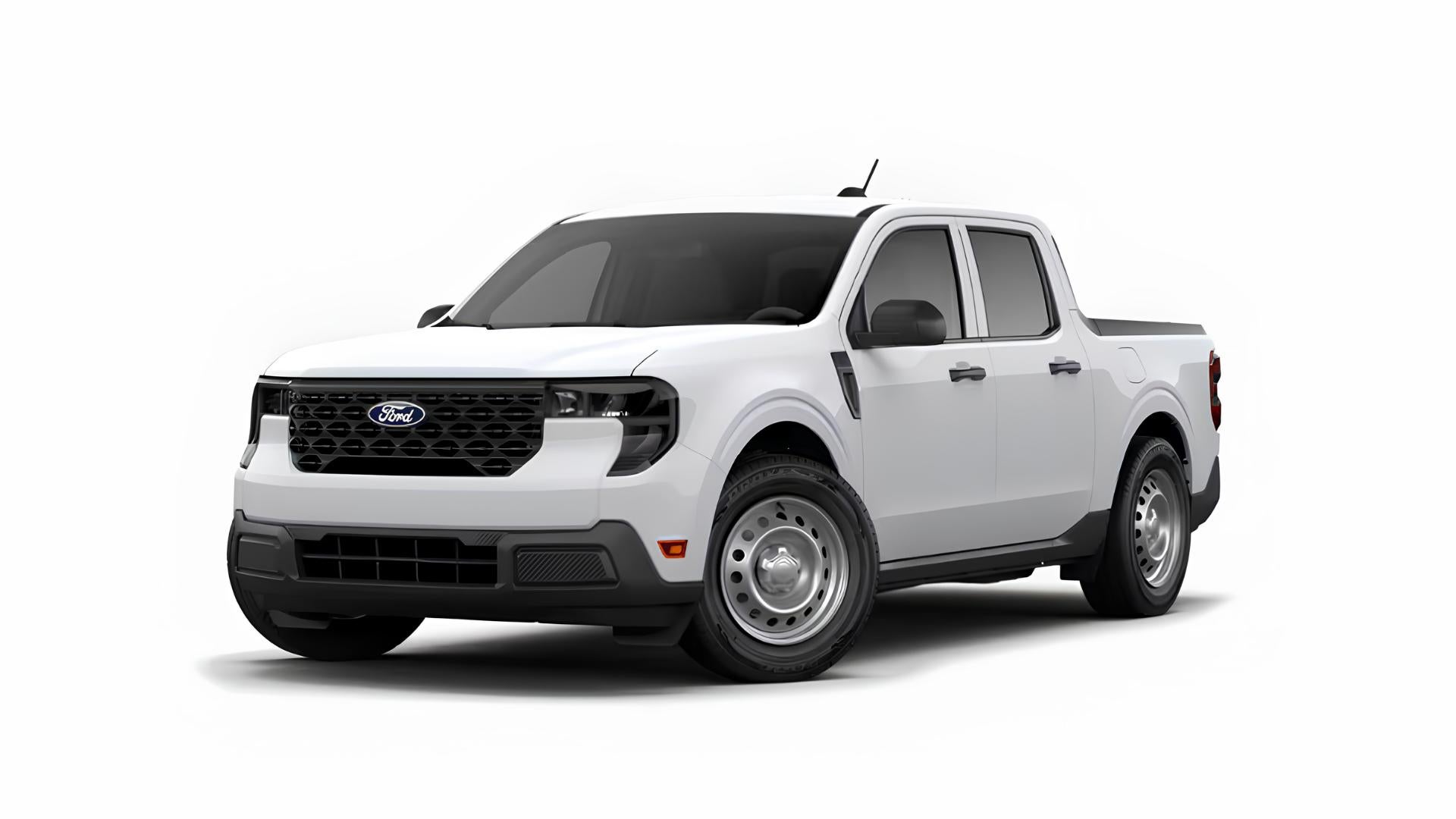
- Available Hybrid Powertrain
- 13.2-inch Touchscreen
- FLEXBED Storage System
Hyundai Gives the Santa Cruz a More Sport-Inspired Design
Styling immediately sets these two compact trucks apart.
The Santa Cruz blends SUV-inspired body lines with pickup functionality, creating a sleeker and more modern appearance overall. Hyundai gives the truck a lifestyle-focused personality that feels more refined and less work-oriented than traditional pickups.
Ford takes a more conventional truck approach with the Maverick. Boxier proportions and upright styling help reinforce its practical utility-focused identity.
Both models remain highly versatile, although the Santa Cruz creates a more premium and crossover-like first impression.
Design highlights worth comparing:
- Santa Cruz: modern sport-inspired styling
- Maverick: traditional compact truck design
- Hyundai: more refined and crossover-like appearance overall
The Santa Cruz Delivers More Power for Everyday Driving
Performance becomes one of the biggest differences between these compact trucks.
Hyundai offers the Santa Cruz with two gas-powered engines, including an available 281-horsepower turbocharged engine that delivers confident highway acceleration and stronger overall performance.
The Maverick also offers multiple powertrain choices, including an available turbocharged engine designed to balance capability and efficiency. Ford additionally offers a separate hybrid configuration for drivers focused more heavily on maximizing fuel economy.
Ride quality also helps distinguish the Santa Cruz. Hyundai tunes the suspension for smoother daily driving comfort while still maintaining confident handling.
Hyundai also continues to expand convenience-focused technology across its truck and SUV lineup.
Performance comparison highlights:
- Santa Cruz: up to 281 hp with available turbo engine
- Maverick: multiple powertrain choices with an available hybrid option
- Both: available AWD and everyday truck versatility
Hyundai Creates a More Upscale Cabin Experience
Interior quality becomes more noticeable once you step inside.
The Santa Cruz features a refined cabin layout with premium materials, a quieter ride, and a dashboard design that feels closer to a modern SUV than a traditional compact pickup.
Ford gives the Maverick a more practical and utility-focused interior. Higher trims add additional comfort and upgraded materials, although the overall design still prioritizes functionality first.
Both trucks offer seating for five passengers, although the Santa Cruz places greater emphasis on comfort and refinement during daily driving.
Hyundai continues adding connected convenience and entertainment technology throughout its lineup.
Interior highlights worth comparing:
- Santa Cruz: refined materials and premium cabin feel
- Maverick: practical interior with utility-focused design
- Both: compact trucks with seating for five
Technology Layouts Feel Different Between the Two Trucks
Modern connectivity and infotainment features remain important for truck buyers.
The Santa Cruz offers a 12.3-inch touchscreen along with available dual digital displays that create a clean and integrated dashboard layout. Hyundai’s technology setup feels modern and easy to navigate during everyday driving.
Ford equips the Maverick with a larger standard 13.2-inch touchscreen while also supporting wireless Apple CarPlay and Android Auto connectivity.
Both trucks provide strong technology functionality, although Hyundai leans more heavily into integrated design while Ford emphasizes straightforward usability.
Hyundai also continues introducing advanced connected technology features, like Hyundai Digital Key 2, across its lineup.
Technology comparison highlights:
- Santa Cruz: available dual-screen digital layout
- Maverick: standard 13.2-inch touchscreen
- Both: wireless smartphone connectivity and modern infotainment systems
Both Trucks Include Strong Driver-Assistance Features
Safety technology remains a major priority in this segment.
The Santa Cruz includes Hyundai SmartSense safety technology with lane-keeping assistance, blind-spot monitoring, adaptive cruise control, and additional driver-assistance systems designed to improve confidence during daily driving.
Ford equips the Maverick with a similar collection of modern safety features, including automatic emergency braking and lane-keeping assistance.
Hyundai continues earning recognition for advanced safety innovation across its lineup with Hyundai SmartSense.
Safety comparison highlights:
- Santa Cruz: Hyundai SmartSense safety technology
- Maverick: modern driver-assistance features available
- Both: advanced safety systems for everyday driving
Capability and Utility Remain Strong for Both Trucks
Practical utility continues driving interest in compact trucks like these.
The Santa Cruz includes innovative cargo solutions, such as in-bed storage and an available tonneau cover, that help improve daily practicality and cargo security.
Ford gives the Maverick a slightly longer bed along with its FLEXBED storage system, designed to support customizable cargo organization and utility needs.
Towing capability also favors the Santa Cruz. Properly equipped turbocharged models can tow up to 5,000 pounds, while the Maverick reaches up to 4,000 pounds when properly equipped.
Hyundai continues emphasizing towing strength and AWD capability across the Santa Cruz lineup.
Capability highlights worth comparing:
- Santa Cruz: innovative bed storage and up to 5,000-lb towing capacity
- Maverick: FLEXBED cargo system and practical utility design
- Both: versatile compact trucks built for daily versatility
Fuel Economy Gives the Maverick an Advantage
Efficiency remains one of the Maverick’s strongest selling points.
Gas-powered Maverick models achieve approximately 22-30 MPG combined, depending on configuration, helping Ford maintain strong fuel economy numbers in the compact truck segment. Ford also offers a separate hybrid version for drivers prioritizing maximum efficiency.
The Santa Cruz delivers approximately 20-25 MPG combined while focusing more heavily on performance, towing capability, and refinement than maximizing fuel economy.
Drivers prioritizing stronger acceleration and premium comfort may still prefer Hyundai’s overall balance.
Hyundai continues offering versatile SUVs and trucks designed to balance capability with everyday drivability.
Efficiency highlights worth comparing:
- Santa Cruz: strong capability with competitive MPG
- Maverick: higher overall fuel economy
- Ford: available hybrid option for maximum efficiency
Hyundai Continues Offering Better Ownership Coverage
Long-term ownership value can play a major role in truck shopping decisions.
Hyundai provides one of the strongest warranty programs in the segment along with complimentary maintenance coverage that helps reduce ownership costs over time.
Ford offers a more traditional warranty structure and lower starting pricing in some trims, although it does not match Hyundai’s included ownership benefits.
Hyundai’s warranty coverage continues to stand out across the automotive industry.
Ownership value highlights:
- Santa Cruz: longer warranty and complimentary maintenance
- Maverick: lower starting price in some configurations
- Hyundai: stronger long-term ownership support
Which Compact Truck Fits North Little Rock Drivers Better?
The Ford Maverick remains a strong choice for drivers prioritizing fuel efficiency, affordability, and traditional compact truck utility.
For many North Little Rock-area drivers, however, the Hyundai Santa Cruz delivers a more refined overall experience thanks to its upscale interior, stronger available performance, innovative bed features, and smoother driving character. Its balance of comfort, versatility, and capability helps the Santa Cruz stand out in the growing compact truck segment.
Ready to experience the Hyundai Santa Cruz in person? Visit Crain Hyundai of North Little Rock to explore available trims and features today.
FAQs
Q: Which compact truck can tow more?
A: The Hyundai Santa Cruz can tow up to 5,000 pounds when properly equipped, while the Ford Maverick can tow up to 4,000 pounds.
Q: Does the Ford Maverick offer a hybrid option?
A: Yes. Ford offers the Maverick with an available hybrid powertrain focused on maximizing fuel efficiency.
Q: Does the Hyundai Santa Cruz offer AWD?
A: Yes. The Santa Cruz offers available all-wheel drive for improved traction and capability.

Choosing the Right Compact SUV for Central Arkansas
Compact SUVs continue to be one of the most practical choices for drivers around North Little Rock because they balance efficiency, comfort, and flexibility without feeling oversized. Whether it’s commuting into Little Rock, navigating traffic around Sherwood and Jacksonville, or planning weekend trips across Central Arkansas, many drivers want an SUV that feels comfortable every single day.
Looking at the 2026 Hyundai Tucson vs Toyota RAV4 in North Little Rock, AR, both SUVs deliver advanced safety systems, available all-wheel drive, and modern technology. The biggest differences come down to powertrain flexibility, cabin comfort, and long-term ownership value.
This comparison focuses on gas-powered Tucson models versus the hybrid-focused Toyota RAV4 lineup to keep the differences easier to understand.
Vehicle Comparison
2026 Hyundai Tucson

- 12.3-inch Digital Display
- Spacious Interior & Cargo
- Complimentary Maintenance
2026 Toyota RAV4
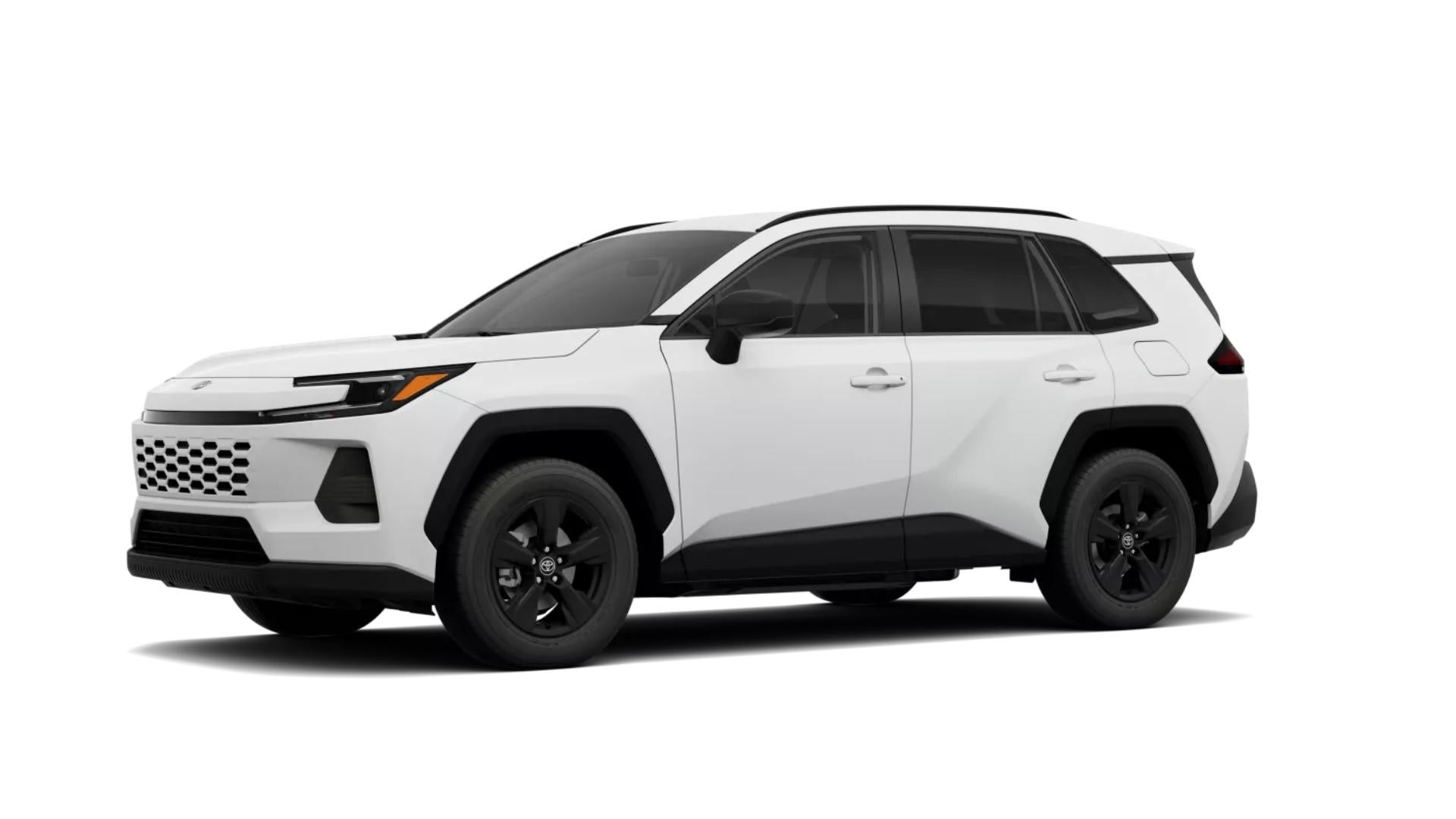
- Toyota Hybrid System
- Toyota Safety Sense
- 10.5-12.9-inch Touchscreen
Modern Design vs Rugged Styling
These SUVs create very different first impressions.
A sleek and modern appearance gives the Tucson a more upscale feel overall. Sharp body lines, refined lighting elements, and a cleaner overall design help it stand out from more traditional compact SUVs.
Toyota leans toward a more rugged personality with the RAV4. Boxier styling and aggressive exterior details give it a durable, outdoors-focused appearance.
Design highlights:
- Tucson: sleek, modern styling
- RAV4: rugged and traditional SUV design
- Both: practical compact SUV dimensions
Everyday Driving Around North Little Rock
How an SUV feels during daily driving can shape long-term satisfaction.
Smooth acceleration and composed handling make the Tucson feel relaxed and easy to drive during commutes or on the highway. Its 187-horsepower engine emphasizes balance and consistency over outright speed.
The RAV4 uses a hybrid system that produces up to 236 horsepower, giving it stronger low-speed responsiveness and quicker acceleration in stop-and-go traffic.
Driving comparison:
- Tucson: smooth and balanced driving feel
- RAV4: quicker acceleration from hybrid power
- Both: available AWD capability
Interior Comfort and Everyday Flexibility
Comfort and usable space often become more important over time than first impressions alone.
A roomier rear seat and open cabin layout help the Tucson feel more comfortable during longer drives. Cargo space is generous as well, making it practical for errands, travel, and everyday life around Arkansas.
Drivers can also explore more family-focused Hyundai SUV features and versatility options.
The RAV4 still delivers solid functionality, with useful cargo space and a durable interior, though the cabin does not feel quite as open or refined overall.
Interior highlights:
- Tucson: spacious rear seating and refined cabin feel
- RAV4: durable layout with practical cargo space
- Both: seating for five passengers
A Technology Experience That Feels Simpler
Technology should feel intuitive instead of overwhelming.
Inside the Tucson, a 12.3-inch display and an available dual-screen setup create a clean layout that naturally separates infotainment and driver information.
Hyundai continues improving connectivity and everyday convenience features across the lineup.
The RAV4 offers a 10.5-inch standard touchscreen with an available 12.9-inch upgrade, though the layout relies more heavily on a central display design.
Technology comparison:
- Tucson: intuitive dual-screen layout available
- RAV4: larger available touchscreen option
- Both: wireless smartphone connectivity support
Safety Features That Inspire Confidence
Both SUVs include comprehensive driver-assistance systems designed to help support safer everyday driving.
Hyundai equips the Tucson with features like forward-collision warning, lane-keeping assist, and available adaptive cruise control with lane-centering technology.
Drivers interested in Hyundai safety innovation can also learn more about Hyundai SmartSense and advanced driver-assistance systems.
Toyota includes a similarly strong suite of safety systems in the RAV4, including adaptive cruise control, lane-keeping assist, and automatic emergency braking as standard.
Safety highlights:
- Both: advanced driver-assistance systems standard
- Tucson: smooth integration of driver-assistance features
- RAV4: strong standard safety coverage
Balancing Fuel Economy with Flexibility
This is where the biggest distinction between these SUVs becomes more noticeable.
Toyota now offers the RAV4 exclusively with hybrid and plug-in hybrid powertrains, helping it achieve approximately 38–43 MPG combined.
Gas-powered Tucson models deliver approximately 26–28 MPG combined while still giving drivers the flexibility to choose between traditional gas or available hybrid models depending on their priorities.
That broader flexibility may appeal more to drivers who want efficiency without committing fully to a hybrid-only lineup.
Drivers comparing long-term SUV value can also explore Hyundai’s award-winning reputation across multiple models.
Efficiency overview:
- Tucson: gas and hybrid flexibility available
- RAV4: higher MPG through hybrid-only design
- Both: strong efficiency for compact SUVs
Ownership Value and Long-Term Confidence
Ownership costs and warranty coverage can make a major difference over time.
Hyundai supports Tucson owners with one of the strongest warranty packages in the segment, along with complimentary maintenance coverage that helps reduce long-term ownership costs.
Hyundai’s extended warranty coverage remains one of the brand’s strongest ownership advantages.
Toyota also includes complimentary maintenance coverage, though its warranty coverage is shorter than Hyundai’s.
Ownership comparison:
- Tucson: longer warranty and complimentary maintenance
- RAV4: strong reliability reputation
- Both: practical long-term SUV options
Which Compact SUV Fits North Little Rock Drivers Better?
Daily driving around North Little Rock often means balancing comfort, fuel efficiency, technology, and long-term practicality.
The Toyota RAV4 remains a strong option for drivers focused primarily on hybrid efficiency and quicker low-speed acceleration.
A more balanced overall package helps the Hyundai Tucson stand out. Between the comfortable cabin, intuitive technology, flexible powertrain options, and stronger ownership benefits, it offers broader appeal for many Central Arkansas drivers.
FAQs
Q: Is the Toyota RAV4 only available as a hybrid?
A: Yes, the 2026 Toyota RAV4 lineup is offered exclusively with hybrid and plug-in hybrid powertrains.
Q: Does the Hyundai Tucson offer both gas and hybrid models?
A: Yes, the Tucson lineup includes traditional gas-powered models along with available hybrid options.
Q: Which SUV offers more flexibility for different drivers?
A: The Hyundai Tucson offers more flexibility thanks to its available gas and hybrid powertrain choices, along with strong ownership benefits.
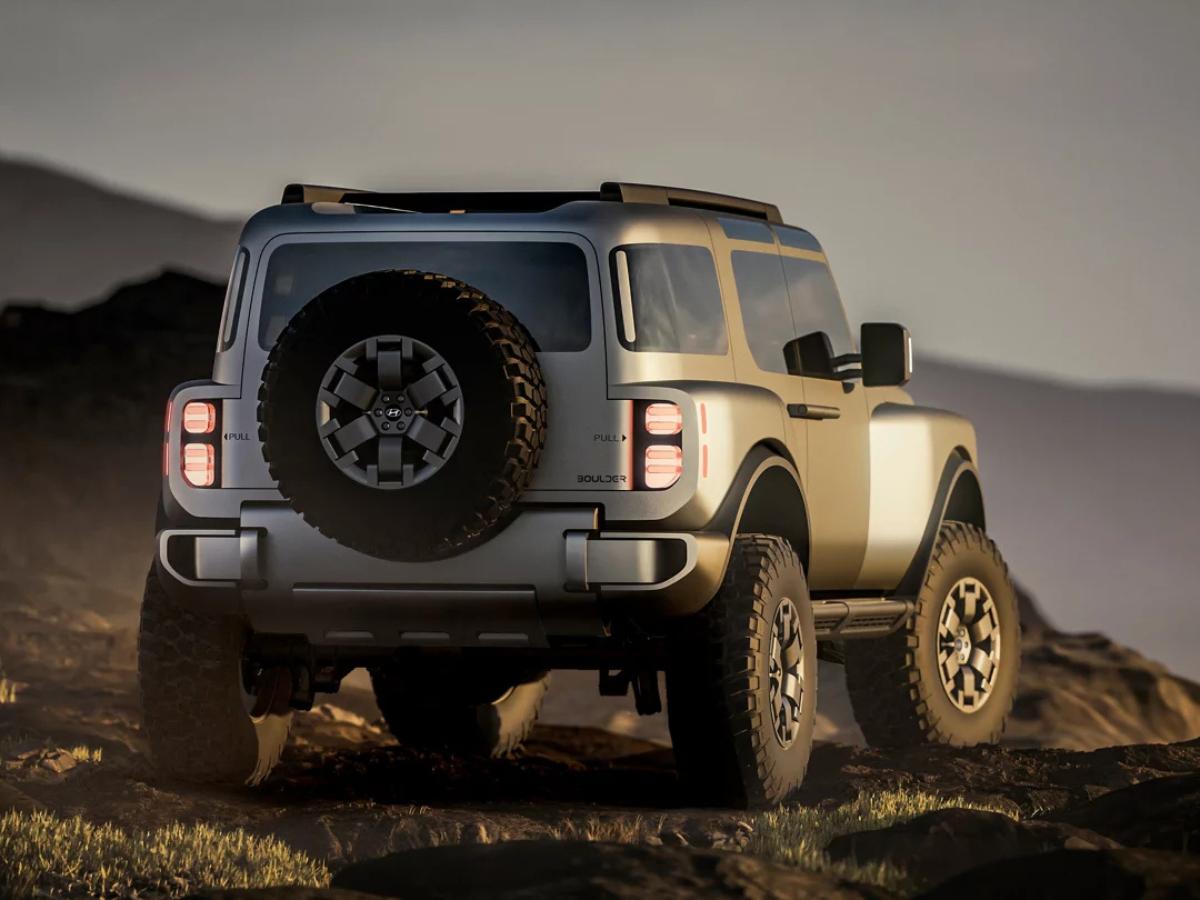
A major shift is underway at Hyundai, and the Hyundai Boulder concept SUV gives a first look at where things are headed. Unveiled at the 2026 New York International Auto Show, this concept introduces a tougher, more capable vision for future vehicles. Drivers in North Little Rock, AR, can expect this evolution to bring more strength, flexibility, and real-world usability to upcoming models.
Excitement continues to build as this concept hints at what Hyundai may soon deliver across its lineup, especially for drivers across Central Arkansas.
A New Platform Built for Strength
At the center of the Hyundai Boulder concept SUV is a completely new foundation. Engineers are developing a body-on-frame platform tailored specifically for the U.S. market, with plans to support a midsize pickup truck before the decade wraps up.
Unlike unibody construction, this setup separates the frame and body. Greater durability comes from that design, especially under stress from towing or rough terrain. Heavy-duty trucks have relied on this structure for years because it holds up better in demanding conditions.
As Hyundai continues to explore truck-inspired capability, current models already reflect that direction. The Hyundai Santa Cruz blends pickup utility with everyday comfort for drivers who want flexibility without moving into a full-size truck.
Focused on American Driving Needs
A stronger commitment to U.S. drivers shapes every aspect of this concept. Future vehicles inspired by the Boulder design are expected to reflect how people across the country actually use their vehicles.
Key elements of this approach include:
- Built in the United States
- Engineered for local driving conditions
- Designed by teams focused on American markets
- Produced using Hyundai-made steel
Daily life around North Little Rock, Little Rock, and Conway often involves a mix of commuting, hauling, and weekend travel. Vehicles built with that in mind can better handle the variety.
A Bold Shift in Design Language
Hyundai calls this new approach “Art of Steel,” and the difference is noticeable right away. Strength and structure take priority without losing visual appeal.
Several features define the look:
- An upright stance that improves visibility
- A squared, two-box shape that emphasizes function
- Sharp body lines with a metallic finish
- Rear-hinged doors that simplify entry
Driving through downtown North Little Rock or heading toward the Arkansas River area, a vehicle like this would stand out immediately.
Built for Trails, Not Just Roads
Off-road capability plays a major role in the Boulder Concept. Everything about the design points toward handling more than just pavement.
Highlights include:
- Massive 37-inch mud-terrain tires
- Extra ground clearance for uneven surfaces
- Angles designed to handle steep approaches
- A rear-mounted full-size spare
- The ability to drive through deeper water
Added confidence comes from a real-time guidance system that helps drivers navigate obstacles. Acting like a digital spotter, it provides direction when the terrain gets challenging.
Traction and control become even more important when driving on uneven surfaces or in changing weather conditions. Hyundai SmartSense’s advanced driver-assist features help enhance awareness and stability during everyday driving situations.
Practical Features That Matter Every Day
Functionality goes beyond off-road performance. Everyday usability remains a key focus of the Hyundai Boulder concept SUV.
Useful features include:
- A tailgate with multiple opening options
- A rear window that lowers electronically
- Roof support for carrying gear
- Reflective accents that improve visibility
Capability like this builds on what Hyundai already offers in larger SUVs. The Hyundai Palisade provides strong towing performance along with space and comfort, making it a practical choice for families and long trips across Arkansas.
Interior Designed Around Real Use
Durability continues inside the cabin. Materials and layout choices reflect how people actually use their vehicles day to day.
Interior details include:
- Surfaces designed to handle wear and tear
- Physical controls that are easy to operate
- Flexible seating and storage configurations
- Fold-out trays for work or quick meals
Advanced features remain a priority across the lineup. Driver convenience technology is designed to assist drivers and improve safety, and continues to evolve with each new model release.
What Comes After the Concept
Production plans do not include the Boulder Concept itself, but its influence is significant. Hyundai has already confirmed a midsize pickup truck will arrive by 2030 using this new platform.
Expansion across North America will include dozens of additional models, many shaped by ideas introduced in this concept.
Hyundai continues to experiment with bold ideas that shape future vehicles and push design boundaries. One example, the CRATER, includes a concept focused on extreme environments and advanced styling direction.
Why It Matters in North Little Rock
Life in North Little Rock demands flexibility from a vehicle. City driving, highway travel, and access to outdoor areas all come into play on a regular basis.
Future Hyundai models inspired by the Boulder Concept are expected to support:
- Travel across Central Arkansas
- Outdoor activities and weekend trips
- Work-related hauling and towing
- Daily driving through North Little Rock and nearby communities
That kind of versatility lines up with how many drivers in the area already rely on their vehicles.
Stay Connected with Crain Hyundai of North Little Rock
Looking ahead becomes easier when you know what is coming. The Hyundai Boulder Concept offers a preview of the brand’s next chapter, especially for drivers interested in trucks or more capable SUVs.
Support is available at Crain Hyundai of North Little Rock for exploring current models and staying informed about future Hyundai updates.
Frequently Asked Questions
What is the Hyundai Boulder concept SUV?
A concept vehicle that previews Hyundai’s future body-on-frame platform for trucks and SUVs.
Will it be available to buy?
No production version is planned, but its features will influence upcoming models.
Why is body-on-frame important?
Strength and durability make it ideal for towing, hauling, and off-road driving.
When is Hyundai releasing a pickup?
Plans point to a midsize truck arriving by 2030.
Where can I learn more locally?
Visit Crain Hyundai of North Little Rock to explore current models and future updates.
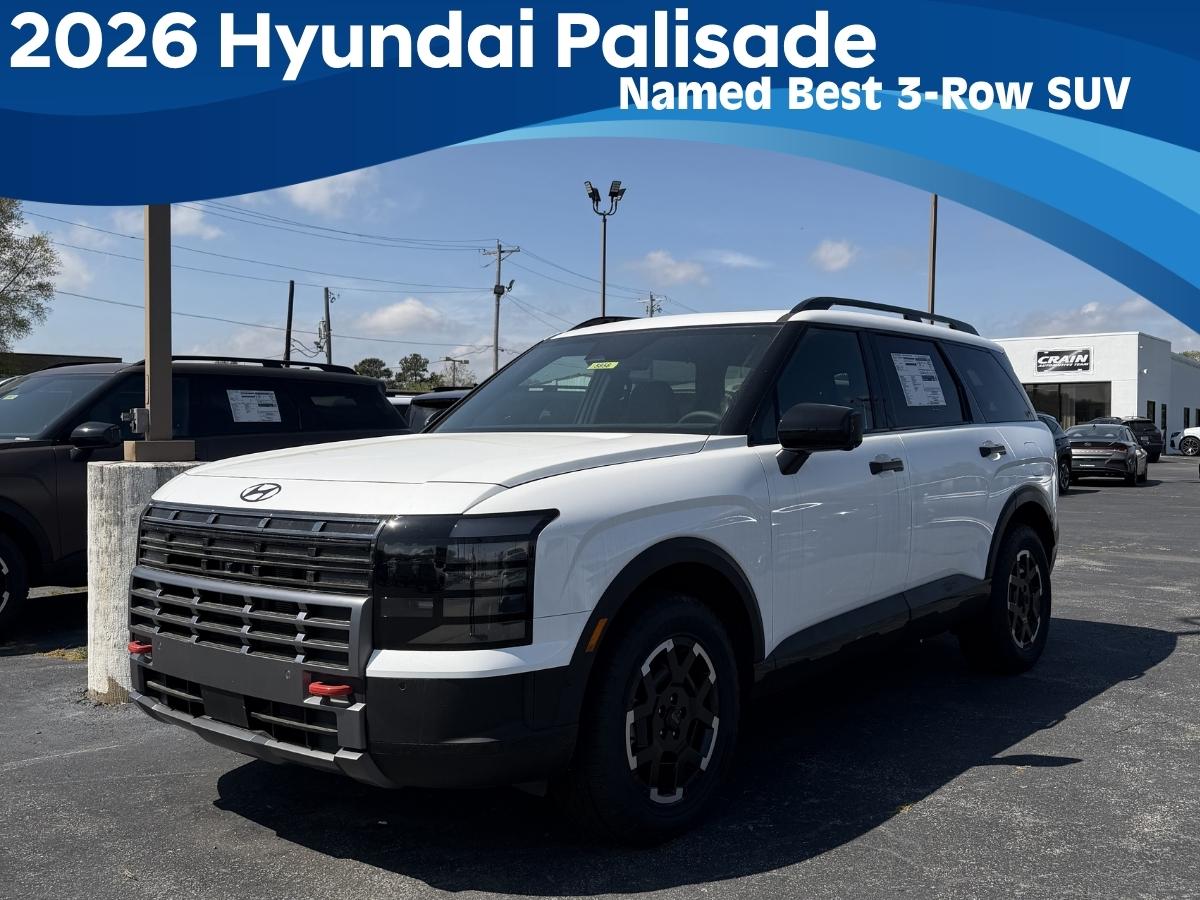
For drivers looking at a Hyundai Palisade in North Little Rock, AR, the 2026 model brings together strong recognition, updated performance, and everyday usability in a way that feels complete. This is not just a refresh. It is a well-rounded SUV that continues to improve in the areas that matter most to families and commuters.
From daily drives across Central Arkansas to longer trips beyond the city, the Palisade is built to handle a wide range of needs without feeling overcomplicated.
A 3-Row SUV Backed by Major Recognition
The 2026 Hyundai Palisade is earning attention from several well-known automotive publications. Each one highlights a different strength, which helps explain why this SUV continues to rank near the top of its segment.
GearJunkie: Built for Real-World Use
The Palisade Hybrid earned Best 3-Row SUV in the 2025 GearJunkie Adventure Vehicle of the Year Awards, a recognition that focuses on how vehicles perform outside of ideal conditions.
GearJunkie’s evaluation looked closely at:
- Fuel efficiency during longer trips
- Overall ride quality across different terrains
- Practical features that support active lifestyles
Editors specifically noted the balance between power and efficiency, as well as how quiet and composed the Palisade feels on the road. That kind of ride quality makes a difference during extended drives.
Another standout feature is the ability to maintain cabin climate for up to 40 minutes while parked without running the engine. For drivers in Arkansas dealing with summer heat, that adds a level of convenience that is easy to appreciate.
MotorTrend: Staying Near the Top Year After Year
MotorTrend once again ranked the Palisade among the best 3-row SUVs to buy in 2026, following strong performance the previous year.
The latest updates played a big role in keeping it there:
- A new hybrid system that increases both horsepower and torque
- Noticeable gains in fuel efficiency
- A user interface that remains easy to navigate
MotorTrend also highlighted the Palisade’s continued strength in technology and design. These are areas where many SUVs try to compete, but few manage to execute as consistently.
That consistency across model years shows that the Palisade is not just improving. It is maintaining a high standard while adapting to what drivers expect from a modern SUV.
Autotrader: Recognized for Everyday Usability
Autotrader named the 2026 Palisade one of its Best New Cars of 2026, selecting it from a large group of newly released and updated vehicles.
Their editorial team evaluated:
- Interior comfort and layout
- Technology and innovation
- Overall driving experience
- How well the vehicle fits into daily life
The Palisade stood out for its ability to deliver a mix of comfort, space, and usability without overcomplicating the experience. It is designed around how people actually use their vehicles, not just how they look on paper.
Designed for Daily Driving in Central Arkansas
Driving in North Little Rock often means dealing with a mix of highway traffic, city streets, and short trips throughout the day. The Palisade handles each of these situations in a way that feels smooth and controlled.
If you’re commuting across the Arkansas River into Little Rock or navigating traffic along I-40, the ride stays comfortable and predictable. It also works well for planning trips outside the city, especially for weekend getaways within driving distance of North Little Rock that are perfect for families.
Hybrid Efficiency Meets Real Performance
The addition of the hybrid powertrain is one of the biggest upgrades for 2026. It delivers more power while improving efficiency, which many drivers are looking for.
Key performance highlights include:
- Up to 329 horsepower
- Over 600 miles of driving range
- Fewer stops for fuel on longer drives
This setup gives drivers more flexibility, especially for trips across Central Arkansas or beyond.
It also reflects a broader direction for the brand, as Hyundai continues to build vehicles that balance efficiency with real-world performance across its lineup.
Interior Comfort That Feels Refined
Inside the Palisade, the focus is on creating a space that feels comfortable without being overly complicated. The layout is clean, and the materials add a more refined look and feel.
Drivers and passengers benefit from:
- Spacious seating across all three rows
- Available Relaxation seating for added comfort
- A quieter cabin that helps reduce road noise
These details make a difference during both short drives and longer trips, especially for families.
Technology That Supports Everyday Driving
The Palisade includes updated technology designed to make driving more convenient and connected.
Key features include:
- 100-watt USB-C ports for faster charging
- A built-in dual-camera dash cam
- Stay Mode for maintaining comfort while parked
These systems work together to create a more seamless experience behind the wheel.
They also build on how Hyundai SmartSense safety technology is designed to support driver awareness and confidence on the road.
Capability That Expands What You Can Do
The Palisade is not limited to daily driving. With added towing capability and available equipment, it can handle more demanding situations when needed.
This becomes especially useful when you consider how the Hyundai Palisade is designed to support towing and hauling when needed.
That added capability gives drivers more freedom when planning trips or transporting gear.
Options That Fit Different Needs
The Palisade lineup includes multiple trims, giving drivers the flexibility to choose a model that fits their priorities.
Some drivers may focus on practical features, while others prefer a more premium setup. Either way, there is a version that matches those preferences.
Shoppers comparing options often look at how the Hyundai Palisade compares to similar three-row SUVs before making a decision.
See the 2026 Hyundai Palisade in North Little Rock
Drivers interested in a Hyundai Palisade in North Little Rock, AR, can explore it in person at Crain Hyundai of North Little Rock.
Seeing it up close is the best way to understand how its space, technology, and performance come together in one vehicle.
Frequently Asked Questions
What recognition has the 2026 Palisade received?
It has been recognized by GearJunkie, MotorTrend, and Autotrader for its performance, comfort, and overall design.
Is there a hybrid version available?
Yes, the hybrid model offers improved efficiency along with increased power.
Is it a good option for families?
It provides three rows of seating, flexible space, and a wide range of comfort and technology features.
What makes it competitive?
Its combination of efficiency, usability, and consistent recognition helps it stand out in a crowded segment.
Comparing Two Redesigned Midsize SUVs in North Little Rock
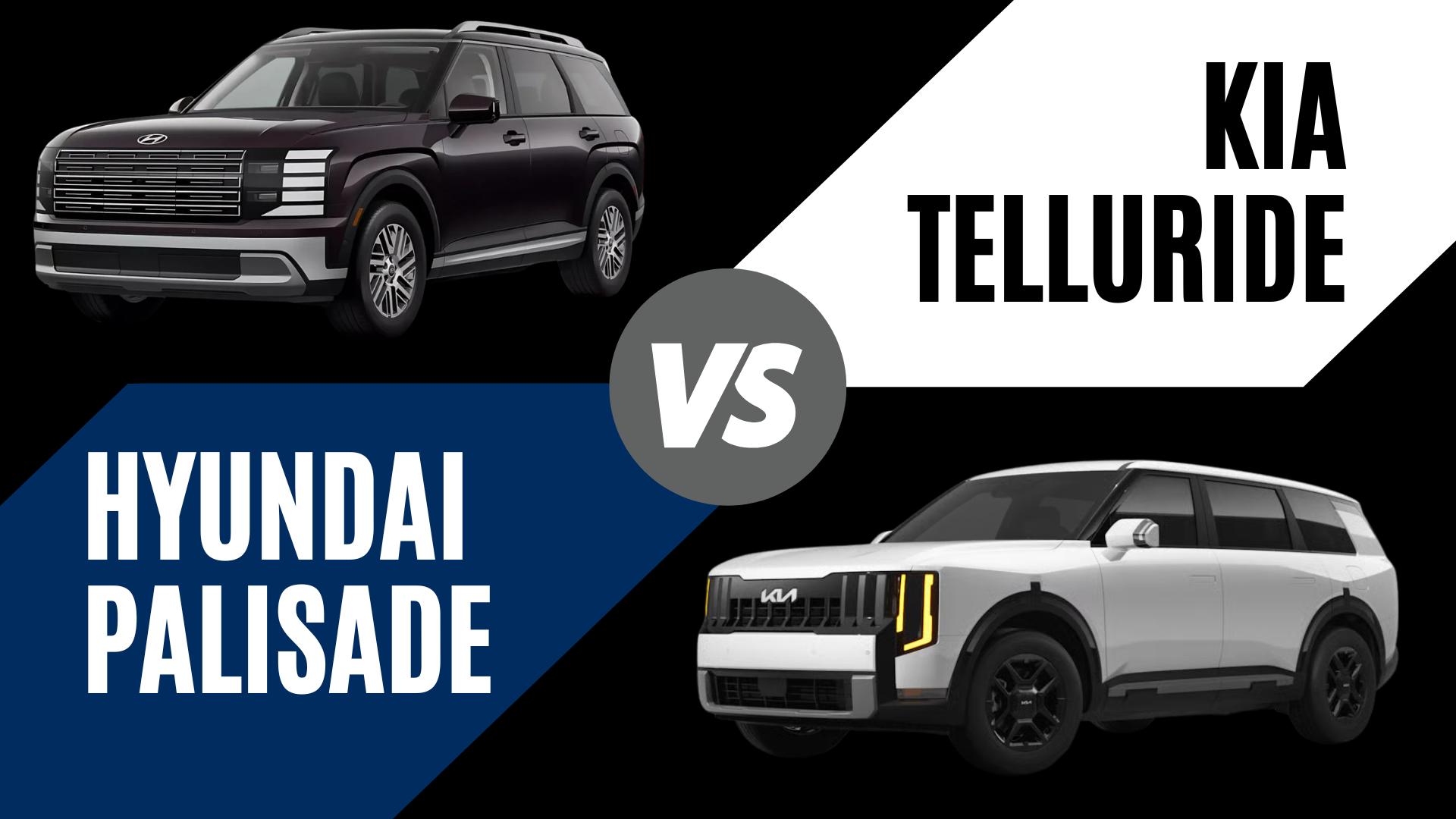
Drivers shopping for a three-row SUV in North Little Rock will find two standout options at the top of the segment: the 2026 Hyundai Palisade vs 2027 Kia Telluride in North Little Rock, AR. Both models arrive with full redesigns, bringing updated styling, modern interiors, and new technology to two of the most popular midsize SUVs on the road.
While these SUVs share a similar foundation, each takes a slightly different approach to comfort, performance, and overall driving experience. The Palisade leans toward refinement and upscale features, while the Telluride introduces a more rugged design with a responsive turbocharged engine.
To explore trims, features, and configurations in more detail, visit the Hyundai Palisade model research page.
Vehicle Comparison
2026 Hyundai Palisade
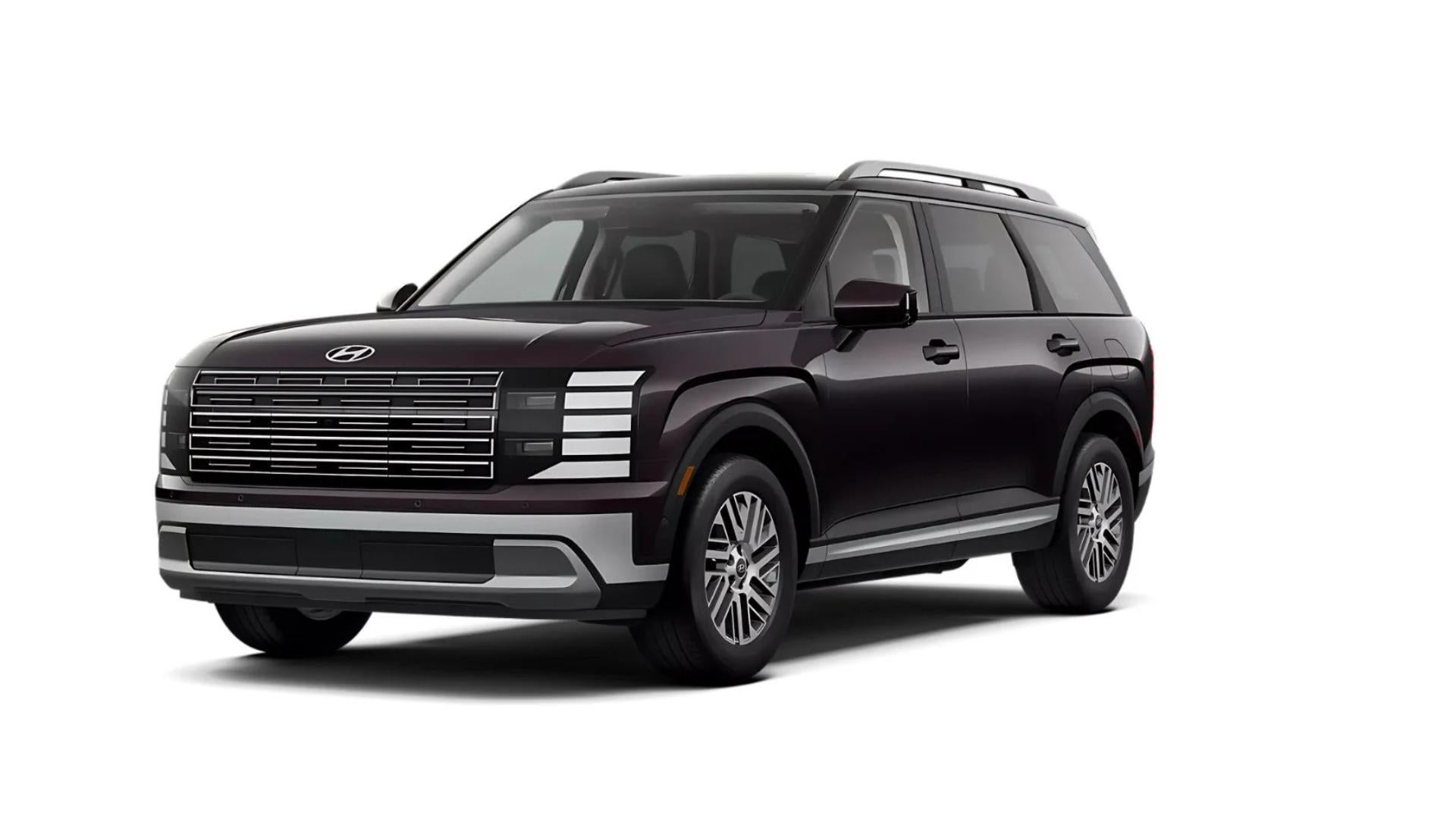
- Available Relaxation Seats
- UV-C Sanitizing Tray
- Dual 12.3-inch Curved Displays
2027 Kia Telluride
- Built-In AI Voice Assistant
- Dual Wireless Phone Chargers
- Available X-Pro Off-Road Hardware
Refined Styling vs Rugged Design Direction
Both SUVs feature bold new looks, but they take different design paths.
The Palisade adopts a more refined and upscale appearance, with clean lines and premium design elements that give it a polished presence on the road.
The Telluride moves in a more rugged direction, with boxier styling and a stronger SUV stance that emphasizes durability and capability.
Design highlights:
- Palisade: refined, upscale styling
- Telluride: bold, rugged design
- Each offers a distinct visual identity
Performance and Powertrain Differences
Under the hood, these SUVs take different approaches to performance.
The Palisade comes equipped with a 287-horsepower V6 engine, delivering smooth and consistent power suited for everyday driving and long-distance comfort.
The Telluride features a 274-horsepower turbocharged engine that provides responsive acceleration and a slightly more modern power delivery.
Performance comparison:
- Palisade: 287 hp V6 engine
- Telluride: 274 hp turbocharged engine
- AWD available on both
- Each delivers a smooth and capable driving experience
Interior Comfort and Premium Feel
Inside the cabin, both SUVs prioritize comfort, but with slightly different execution.
The Palisade offers a premium Calligraphy interior with high-end materials and a layout that feels more in line with luxury-level design. You can also explore Hyundai’s family-focused interior features to see how Hyundai enhances comfort and usability for passengers.
The Telluride features a refined and modern interior as well, with thoughtful design elements and available upscale finishes that enhance comfort for passengers.
Interior highlights:
- Palisade: luxury-inspired materials and design
- Telluride: modern, refined cabin with practical touches
- Both offer seating for 7–8 passengers
- Each provides a comfortable three-row experience
Technology and Connectivity Features
Technology is a strong point for both SUVs, with modern infotainment and connectivity options.
The Palisade features a dual 12.3-inch curved display setup that combines driver information and infotainment into a sleek, integrated interface. Learn more about Hyundai Digital Key and connected technology, and how it enhances everyday usability.
The Telluride offers a 12.3-inch touchscreen display, along with an available digital gauge cluster and built-in voice assistant features.
Technology comparison:
- Palisade: dual curved display design
- Telluride: large touchscreen with available digital cluster
- Both support wireless smartphone connectivity
- Each offers a modern and user-friendly tech experience
Safety and Driver Assistance Systems
Safety is a priority in both the Palisade and Telluride.
Hyundai equips the Palisade with a full suite of driver-assistance features, including adaptive cruise control, lane-keeping assist, and automatic emergency braking. Drivers can also learn more about Hyundai’s safety innovations and awards, and how they contribute to overall safety confidence.
Kia includes a similar range of safety technologies in the Telluride, with many of the same features offered as standard or available options.
Safety comparison:
- Both offer advanced driver-assistance features
- Adaptive cruise control available on both
- Each provides strong safety coverage for families
Performance, AWD, and Fuel Economy
The Palisade offers 287 horsepower with available all-wheel drive and delivers approximately 20–21 MPG combined, while the Telluride produces 274 horsepower with available AWD and achieves around 20–22 MPG combined.
While both SUVs deliver similar fuel economy, the Palisade focuses on smooth V6 power, while the Telluride’s turbocharged engine provides a different driving feel.
Efficiency and capability comparison:
- Palisade: smooth V6 power and consistent performance
- Telluride: turbocharged engine with responsive feel
- Fuel economy is similar across both models
Capability, Towing, and Everyday Utility
Both SUVs are built to handle family life as well as weekend adventures.
The Palisade offers a maximum towing capacity of up to 5,000 pounds, along with available tow-focused features that support hauling needs. You can also explore Hyundai SUV capability and towing features for a closer look at how it performs in real-world scenarios.
The Telluride also delivers up to 5,000 pounds of towing capacity, with available off-road-focused trims that enhance capability in more rugged conditions.
Capability highlights:
- Both offer up to 5,000 lbs towing
- AWD available on both
- Telluride emphasizes rugged capability
- Palisade focuses on balanced everyday usability
Hybrid Options and Future Flexibility
Both the Hyundai Palisade and Kia Telluride are expanding their lineups with hybrid options, giving drivers more ways to balance performance and efficiency.
Drivers interested in improved fuel efficiency can explore the Hyundai Palisade Hybrid model research page to learn more about available hybrid configurations and features.
Which SUV is Right for You in North Little Rock?
Both the Palisade and Telluride bring a lot to the table, especially with their recent redesigns.
The Palisade is a great fit for drivers who prioritize a refined interior, smooth performance, and a more upscale driving experience.
The Telluride appeals to those who prefer bold styling, a slightly more rugged feel, and a responsive turbocharged engine.
For drivers comparing the 2026 Hyundai Palisade vs 2027 Kia Telluride in North Little Rock, AR, the right choice comes down to personal preference and which style of SUV best fits your needs.
FAQs
Are the Hyundai Palisade and Kia Telluride both redesigned?
Yes, both the 2026 Hyundai Palisade and 2027 Kia Telluride feature full redesigns with updated styling and technology.
Do both SUVs offer similar towing capacity?
Yes, both the Palisade and Telluride can tow up to 5,000 pounds when properly equipped.
Do the Palisade and Telluride offer hybrid options?
Yes, both models offer hybrid versions, giving drivers more flexibility for fuel efficiency and performance.
Connect with us


Recent Blog Entries
- 2026 Hyundai Palisade vs 2027 Kia Telluride in North Little Rock, AR
- Cars.com’s 2026 Numbers Make a Strong Case for Hyundai
- Hyundai Wins Eight 2026 IIHS Safety Awards: What It Means for North Little Rock Drivers
- 2026 Hyundai Sonata vs Toyota Camry in North Little Rock, AR
- 2026 Hyundai Elantra vs Honda Civic in North Little Rock, AR
Categories
Crain Hyundai of North Little Rock

Address
5600 Warden Rd
North Little Rock, AR 72116
Phone
- Main 501-232-4162
- Service 501-232-4162
- Sales 501-232-4162
| Monday | 9:00AM - 7:00PM |
| Tuesday | 9:00AM - 7:00PM |
| Wednesday | 9:00AM - 7:00PM |
| Thursday | 9:00AM - 7:00PM |
| Friday | 9:00AM - 7:00PM |
| Saturday | 9:00AM - 7:00PM |
| Sunday | Closed |
| Monday | 7:00AM - 6:00PM |
| Tuesday | 7:00AM - 6:00PM |
| Wednesday | 7:00AM - 6:00PM |
| Thursday | 7:00AM - 6:00PM |
| Friday | 7:00AM - 6:00PM |
| Saturday | 7:00AM - 3:00PM |
| Sunday | Closed |
| Monday | 7:00AM - 6:00PM |
| Tuesday | 7:00AM - 6:00PM |
| Wednesday | 7:00AM - 6:00PM |
| Thursday | 7:00AM - 6:00PM |
| Friday | 7:00AM - 6:00PM |
| Saturday | 7:00AM - 3:00PM |
| Sunday | Closed |