


Two names keep coming up when North Little Rock shoppers start comparing compact SUVs: the 2026 Hyundai Tucson and the 2026 Mazda CX-5. Under the hood, they’re closer than most rivals, each running a 187-hp four-cylinder and offering genuinely spacious rear seating.
Where they part ways is everything else: how the tech works, what’s covered under warranty, and how each one actually feels behind the wheel. Visit our model research page for more info on the 2026 Hyundai Tucson.
Vehicle Comparison
2026 Hyundai Tucson

- 12.3″ Touchscreen w/ Wireless CarPlay & Android Auto
- AEB w/ Pedestrian Detection
- Hyundai Digital Key App
2026 Mazda CX-5
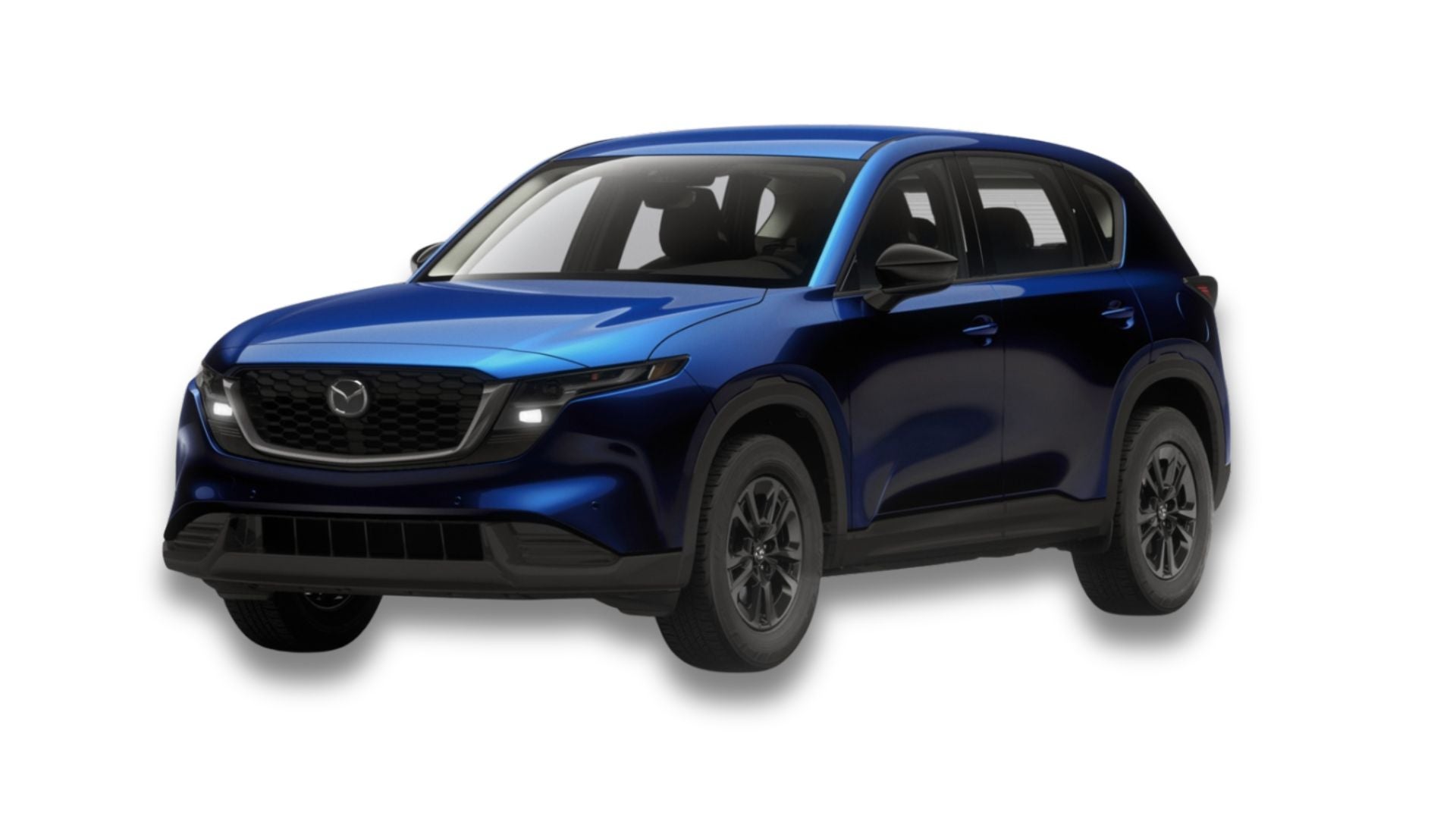
- 12.9″ Touchscreen w/ Google-Based Software
- Lane-Change Assist & Traffic-Sign Recognition
- All-Wheel Drive on Every Trim
Exterior and Cabin Impressions
A sharp, angular exterior sets the Tucson apart, and its cabin carries forward the same design language Hyundai introduced across the Palisade, Sonata, and Elantra. Mazda took a different path with the redesigned CX-5, stretching the wheelbase by 4.5 inches and adding seven ambient lighting choices, along with a cleaner dashboard now that the old rotary infotainment knob is gone.
Quick Comparison:
- Tucson: cohesive, modern design shared across Hyundai’s newer lineup
- CX-5: longer wheelbase and expanded ambient lighting for 2026
- Both: cabins that feel upscale for the compact SUV price range
Performance and Ride Quality
Identical 187-hp 2.5-liter four-cylinder engines power both SUVs, but the way that power reaches the road differs. An eight-speed automatic handles Tucson duty, with front-wheel drive standard and all-wheel drive available as an option. The CX-5 instead uses a six-speed automatic paired with standard all-wheel drive on every trim, so there’s no front-wheel-drive version to consider.
Handling favors the CX-5 slightly, with testers noting sharper responses and a 60-mph time of 8.0 seconds. Comfort favors the Tucson, which settles into a notably quiet highway cruise, with an all-wheel-drive Limited trim reaching 60 mph in a comparable 8.8 seconds.
On the Move:
- Tucson: quieter, more relaxed ride at highway speed
- CX-5: sharper handling and standard all-wheel drive
- Both: 187-hp engines tuned more for comfort than quickness
Passenger and Cargo Space
North Little Rock families cross-shopping these two will find plenty of room in either. Hyundai’s Tucson holds nine carry-on suitcases behind the rear seats and 22 with them folded flat, backed by real-world cargo testing.
Mazda’s redesigned CX-5 picked up real gains in rear legroom, kneeroom, and headroom for 2026, and its cargo hold measures 34 cubic feet, though suitcase-count testing for the new generation hasn’t been published yet.
Room Check:
- Tucson: cargo capacity already verified through hands-on testing
- CX-5: bigger footprint for 2026, with rear-seat gains across the board
- Both: seating for five with real space for adult passengers in back
Infotainment and Connected Features
Standard on the Tucson is a 12.3-inch touchscreen, with an optional combined dual-screen layout that stretches across most of the dashboard for gauges and infotainment together. Wireless Apple CarPlay and Android Auto come standard on every trim, and Hyundai’s Digital Key system turns a compatible smartphone into a key.
A standard 12.9-inch touchscreen anchors the CX-5’s dash, with an available 15.6-inch Google-based upgrade on higher trims. Wireless smartphone connectivity is limited to the Select trim and up, and early testers flagged occasional glitches with the new software.
Screen Time:
- Tucson: wireless connectivity across every trim, plus Digital Key convenience
- CX-5: larger available screen, but wireless features and reliability vary by trim
- Tucson delivers more consistent tech, no matter which trim you pick
Standard Safety Equipment
Driver-assistance technology comes well-stocked on both SUVs. Standard on the Tucson: automated emergency braking with pedestrian detection and lane-departure warning with lane-keeping assist. Adaptive cruise control and lane-centering are available on higher trims.
The CX-5 counters with its own standard package, including automated emergency braking, lane-keeping assist, adaptive cruise control, lane-change assist, and traffic-sign recognition. North Little Rock drivers can see how Hyundai’s safety record compares in the brand’s latest safety honors.
Safety Side-by-Side:
- Tucson: standard pedestrian detection built into automated braking
- CX-5: standard lane-change assist and traffic-sign recognition
- Both: standard automated emergency braking, lane-keeping assist, and adaptive cruise control
Efficiency, Drivetrain, and Towing
With front-wheel drive, the Tucson’s 187-hp engine earns an EPA-estimated 25 mpg city and 33 mpg highway, dipping to 24 mpg city and 30 mpg highway with all-wheel drive. An optional hitch brings towing capacity up to 2,000 pounds. The CX-5, running standard all-wheel drive, is rated at 24 mpg city and 30 mpg highway, with towing capped at 1,500 pounds.
Between the two, the Tucson’s front-wheel-drive efficiency numbers and higher towing ceiling give it a real practical edge for anyone hauling gear or a small trailer.
Hybrid and Electrified Options
Every number above reflects the standard gas-powered Tucson and CX-5, with no hybrid or plug-in figures mixed in. Hyundai already sells the Tucson in Hybrid and Plug-In Hybrid form for drivers chasing more efficiency, part of an electrified lineup that’s earned national recognition. Mazda has a CX-5 Hybrid on the way, but it isn’t due until the 2027 model year, so it sits outside this comparison.
Long-Term Ownership Costs
Hyundai’s coverage on the Tucson includes a five-year, 60,000-mile limited warranty, a ten-year, 100,000-mile powertrain warranty, and three years or 36,000 miles of complimentary scheduled maintenance. The CX-5’s warranty from Mazda falls well short of that: a three-year, 36,000-mile limited warranty, a five-year, 60,000-mile powertrain warranty, and no complimentary maintenance program. North Little Rock drivers can review the details in Hyundai’s warranty coverage.
Cost of Ownership:
- Tucson: doubles the CX-5’s powertrain coverage, plus included maintenance
- CX-5: shorter warranty terms with no maintenance program included
- Tucson keeps long-term ownership costs meaningfully lower
The Bottom Line for North Little Rock Drivers
Both SUVs bring real strengths to the compact class, but the Tucson’s advantages stack up where they matter most for daily ownership: better fuel economy, a higher towing capacity, consistent wireless tech across trims, and a warranty program that isn’t a close call.
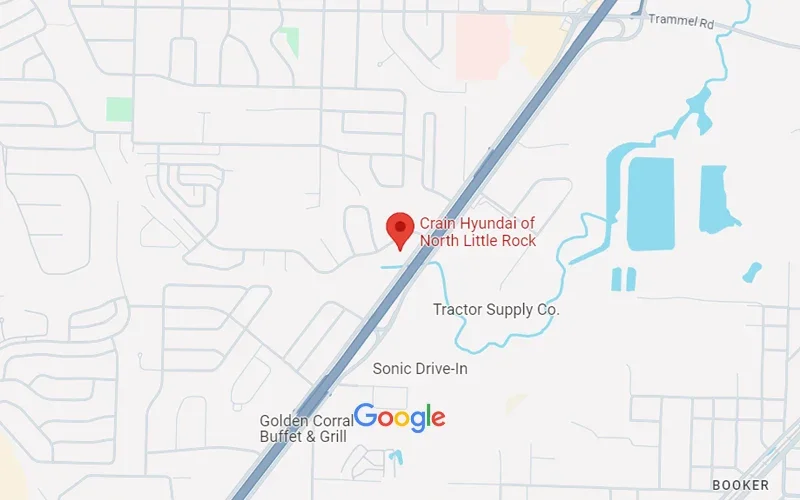
North Little Rock drivers who want a compact SUV built for the long haul should start with the Tucson. Stop by Crain Hyundai of North Little Rock to see current inventory and financing options in person.
FAQs
Which SUV offers more cargo room, the Tucson or the CX-5?
The Tucson has verified real-world cargo capacity of nine carry-on suitcases behind the rear seats, while the CX-5’s larger 34-cubic-foot cargo hold hasn’t yet been tested for suitcase count.
Does the CX-5 offer wireless Apple CarPlay across every trim?
No, wireless Apple CarPlay and Android Auto on the CX-5 are limited to Select trim and above, while the Tucson includes them standard on every trim.
Is a hybrid version available for the Tucson or the CX-5 this year?
The Tucson is already available in Hybrid and Plug-In Hybrid form, while Mazda’s CX-5 Hybrid isn’t expected until the 2027 model year.
Connect with us


Recent Blog Entries
- 2026 Hyundai Tucson vs 2026 Mazda CX-5: A Compact SUV Comparison for North Little Rock Drivers
- 2026 Hyundai Tucson vs. Volkswagen Tiguan | North Little Rock, AR
- 2026 Hyundai Palisade vs 2027 Kia Telluride in North Little Rock, AR
- Cars.com’s 2026 Numbers Make a Strong Case for Hyundai
- Hyundai Wins Eight 2026 IIHS Safety Awards: What It Means for North Little Rock Drivers
Categories
Crain Hyundai of North Little Rock
Address
5600 Warden Rd
North Little Rock, AR 72116
Phone
- Main 501-232-4162
- Service 501-232-4162
- Sales 501-232-4162
| Monday | 9:00AM - 7:00PM |
| Tuesday | 9:00AM - 7:00PM |
| Wednesday | 9:00AM - 7:00PM |
| Thursday | 9:00AM - 7:00PM |
| Friday | 9:00AM - 7:00PM |
| Saturday | 9:00AM - 7:00PM |
| Sunday | Closed |
| Monday | 7:00AM - 6:00PM |
| Tuesday | 7:00AM - 6:00PM |
| Wednesday | 7:00AM - 6:00PM |
| Thursday | 7:00AM - 6:00PM |
| Friday | 7:00AM - 6:00PM |
| Saturday | 7:00AM - 3:00PM |
| Sunday | Closed |
| Monday | 7:00AM - 6:00PM |
| Tuesday | 7:00AM - 6:00PM |
| Wednesday | 7:00AM - 6:00PM |
| Thursday | 7:00AM - 6:00PM |
| Friday | 7:00AM - 6:00PM |
| Saturday | 7:00AM - 3:00PM |
| Sunday | Closed |