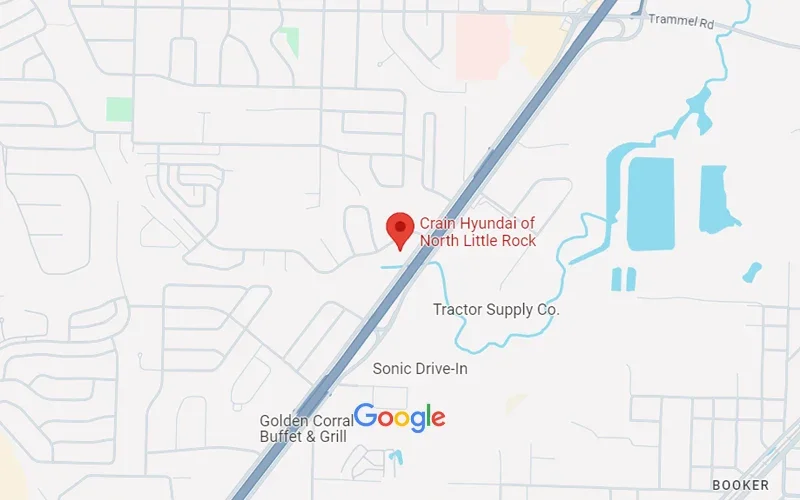



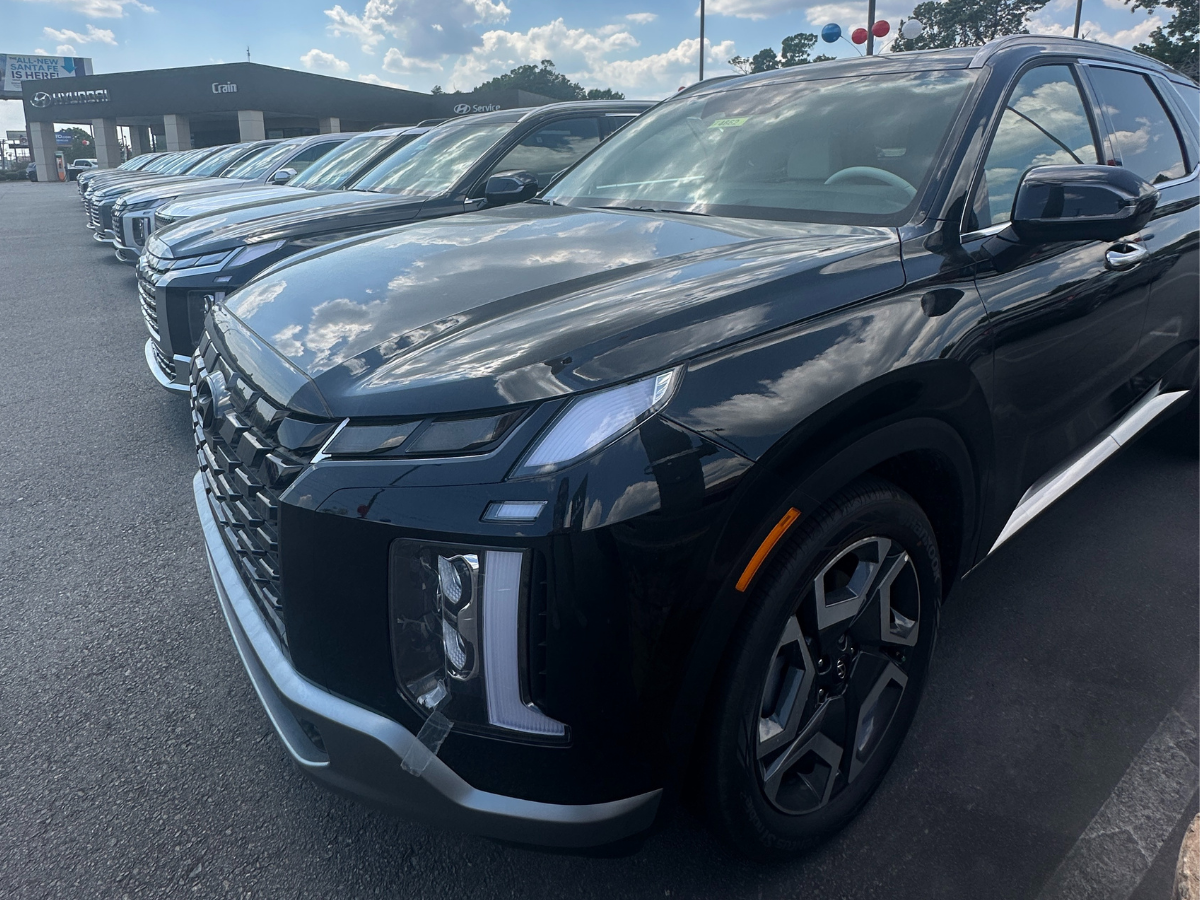
At Crain Hyundai of North Little Rock, we understand that safety is a top priority for Arkansas families. That’s why we’re proud to share that Hyundai has earned five 2025 Top Safety Pick+ awards from the Insurance Institute for Highway Safety (IIHS). These prestigious honors recognize Hyundai’s commitment to protecting passengers in both the front and rear seats—something especially important for local drivers who rely on their vehicles for everything from daily commutes to weekend road trips across central Arkansas.
The IIHS awards highlight the importance of ongoing vehicle maintenance and routine safety inspections. Their updated crash tests, including the pedestrian front crash prevention evaluation, are more rigorous than ever, ensuring only the safest vehicles earn recognition.
What’s New for 2025? A Stronger Emphasis on Rear Passenger Safety
For 2025, the IIHS updated its testing criteria, particularly regarding rear passenger protection. In the updated moderate overlap front crash test, a second dummy is placed in the back seat to represent a child or small adult. This helps assess how well back-seat passengers are protected during a collision. The back seat is an area where many vehicles fall short. The updated criteria also apply to small cars, which have earned recognition for their safety performance.
The IIHS aims to reduce deaths and injuries from motor vehicle crashes through these updated tests.
To win a Top Safety Pick+, vehicles must earn:
- A good rating in the updated rear crash test
- Good scores in updated side and small overlap front crash tests
- Acceptable or good pedestrian crash prevention (day and night)
- Good-rated headlights on all trims
This year’s criteria raise the bar. Hyundai is rising to the challenge by closing the safety gap for rear-seat occupants. The updated crash tests emphasize the importance of protecting second-row occupants.
Hyundai’s 2025 Top Safety Pick+ Winners
Despite tougher testing, these five Hyundai car models earned the top IIHS honor:
- 2025 Hyundai Ioniq 5 (Electric)
- 2025 Hyundai Ioniq 6 (Electric)
- 2025 Hyundai Kona (Gas)
- 2025 Hyundai Tucson / Tucson Hybrid
- 2025 Hyundai Santa Fe / Santa Fe Hybrid (built after November 2024)
Manufacturers like Hyundai are committed to improving vehicle safety standards.
These models underwent rigorous crash testing, pedestrian detection evaluations, and occupant protection assessments. Their strong performance proves Hyundai’s dedication to engineering safe, reliable vehicles for Arkansas drivers. These models have earned good ratings in various crash tests.
Hyundai Motor Group Sets the Industry Standard
Along with Hyundai, Kia and Genesis (Hyundai’s sister brands) also earned IIHS awards—12 in total for Hyundai Motor Group, the most of any automaker. These accolades reflect a long-term investment in safety technology and real-world protection. The New Car Assessment Program (NCAP) provides crucial safety ratings for new cars. It helps consumers make informed decisions.
Whether you’re navigating I-40 or heading toward the trails at Burns Park, these vehicles are built to keep you and your family safe. Safety professionals play a vital role in setting and maintaining these safety standards. This ensures that automakers continuously improve their safety features.
The Insurance Institute for Highway Safety (IIHS) is a nonprofit scientific organization dedicated to reducing motor vehicle crashes. They provide rigorous testing, research, and consumer education.
Hyundai SmartSense: Your Partner in Preventing Collisions
Many of Hyundai’s award-winning vehicles come standard with Hyundai SmartSense, an advanced suite of driver-assist technologies that helps prevent accidents and reduce injury.
Key features include:
- Forward Collision-Avoidance Assist – Helps detect cars and pedestrians to prevent front-end crashes
- Blind-Spot Collision Warning – Monitors your blind spots
- Lane Keeping Assist – Helps you stay in your lane
- Rear Occupant Alert – Reminds you to check the back seat
- Side Airbags for Rear Passengers – Adds vital protection in side collisions
Some features are optional but highly recommended for enhanced safety.
As Cole Stutz, Hyundai’s Chief Safety Officer, says, “We want every passenger—front or back—to be safe.” That’s the Hyundai promise.
Ongoing research by the IIHS contributes to the development of these safety features. These features aim to reduce deaths and injuries from vehicle crashes.
Drive Confidently Through Central Arkansas
Whether you’re picking up the kids from school in Sherwood or planning a weekend drive to the Ozarks, Hyundai’s safety-first vehicles are built for your lifestyle. The IIHS’s updated testing includes a new rear-seat dummy to better simulate child safety. This underscores Hyundai’s commitment to all passengers, young and old. Policymakers play a crucial role in driving automotive safety standards, ensuring that vehicles meet stringent requirements to protect all occupants.
These vehicles excel in crash tests and are designed to help avoid accidents. Providing consumers with essential safety information is vital. It directly influences their purchasing decisions and helps them make informed choices about vehicle safety features.
The IIHS is dedicated to educating consumers, policymakers, and safety professionals about motor vehicle safety. This emphasizes the importance of knowledge dissemination through research and evaluation to reduce deaths and injuries from crashes.
Explore Hyundai’s Safest Models at Crain Hyundai of North Little Rock
Ready to upgrade to a vehicle that puts safety first? Come see us at Crain Hyundai of North Little Rock to test drive our lineup of 2025 Top Safety Pick+ models, including:
- The innovative all-electric Ioniq 5 and Ioniq 6
- The versatile Tucson and Santa Fe SUVs
- The sporty, efficient Kona
Ask about special lease and finance offers, including EV incentives. Whether you choose to purchase or lease, our team is here to help you find a Hyundai that fits and protects your life.
All our vehicles are certified to meet federal motor vehicle safety standards. This ensures compliance with essential safety criteria.
These rigorous safety standards are crucial in reducing deaths and injuries from vehicle crashes.
Connect with us


Recent Blog Entries
- 2026 Hyundai Palisade vs 2026 Toyota Grand Highlander in North Little Rock, AR
- 2026 Hyundai Santa Cruz vs 2026 Honda Ridgeline in North Little Rock, AR
- 2026 Hyundai Kona vs 2026 Subaru Crosstrek in North Little Rock, AR
- 2026 Hyundai Elantra vs. 2026 Toyota Corolla: A Central Arkansas Sedan Showdown
- The Future of Adventure: The Hyundai CRATER Concept at Crain Hyundai of North Little Rock
Categories
Crain Hyundai of North Little Rock
Address
5600 Warden Rd
North Little Rock, AR 72116
Phone
- Main 501-232-4162
- Service 501-232-4162
- Sales 501-232-4162
| Monday | 9:00AM - 7:00PM |
| Tuesday | 9:00AM - 7:00PM |
| Wednesday | 9:00AM - 7:00PM |
| Thursday | 9:00AM - 7:00PM |
| Friday | 9:00AM - 7:00PM |
| Saturday | 9:00AM - 7:00PM |
| Sunday | Closed |
| Monday | 7:00AM - 6:00PM |
| Tuesday | 7:00AM - 6:00PM |
| Wednesday | 7:00AM - 6:00PM |
| Thursday | 7:00AM - 6:00PM |
| Friday | 7:00AM - 6:00PM |
| Saturday | 7:00AM - 3:00PM |
| Sunday | Closed |
| Monday | 7:00AM - 6:00PM |
| Tuesday | 7:00AM - 6:00PM |
| Wednesday | 7:00AM - 6:00PM |
| Thursday | 7:00AM - 6:00PM |
| Friday | 7:00AM - 6:00PM |
| Saturday | 7:00AM - 3:00PM |
| Sunday | Closed |