
• Crain Hyundai of North Little Rock

Blog / Little Rock Hyundai Service

Blog

All Little Rock Hyundai Service Crain Hyundai of North Little Rock Little Rock Hyundai Dealer Crain Hyundai of North Little Rock Service Little Rock Used Cars
Crain Hyundai of North Little Rock offers Hyundai Assurance 24/7 Roadside Assistance

Hyundai Assurance 24/7 Roadside Assistance at Crain Hyundai of North Little Rock

It’s every driver’s worst nightmare. To get stranded on the side of the road. At night. Alone. Maybe it’s a flat tire or something worse? With Hyundai Assurance 24/7 Roadside Assistance, you can drive easy knowing you’ll be taken care of when something goes awry. Contact Us for New Hyundai & Used Cars, Trucks, SUVs & Vans in North Little Rock, AR At Crain Hyundai of North Little Rock, we offer all new Hyundai models like the Tucson, Santa Cruz, and Kona. Each Hyundai is designed with top-of-the-line safety features and driver technology to keep you out of harm’s way on the highway. With all of the incredible growth happening in Conway and the greater Little Rock area, more drivers are hitting the road. More drivers on the road increase the risk of damage to your new Hyundai. Keep an eye out for potential hazards on the road and drive with caution. Schedule a Test Drive Today at Crain Hyundai of North Little Rock However, if you do find yourself on the side of the road, don’t panic. Thankfully, we have a simple solution for you. As a Hyundai owner, you can access Hyundai Assurance 24/7 Roadside Assistance. No matter the time of day you might need us, our roadside services are available to fix that flat tire. Simply call the assistance program, provide them with some basic information, and you and your Hyundai will be back on track to your final destination. Learn More About New Hyundai Models for Sale in North Little Rock After you purchase your Hyundai from Crain Hyundai of North Little Rock, you’ll gain access to roadside assistance, available 365 days a year, at all hours of the day. Your coverage runs for five years with no mileage limitations. In addition to flat tire repair, towing your vehicle to the nearest Hyundai dealership or authorized service facility is also included. Towing can be costly if you have to pay for it out of pocket. This time, you can keep that money in your wallet. If you get in a hurry and accidentally lock your keys in your Hyundai, you won’t need to pay for a locksmith. Hyundai Roadside Assurance will send one for you to rescue your keys so you can get back in the driver’s seat. There’s also a service provided called Trip Interruption. If you’re more than 150 miles from home and your Hyundai experiences a warrantable mechanical problem, you’ll be reimbursed for reasonable expenses like meals, lodging, and transportation. You know the feeling when you grab your keys, you’re ready to go. You jump in your car, and then nothing. You hit that start button or turn the key, and it stutters. Your battery is dead. The dread immediately hits you, and you panic. No panic, no more! Just call up the roadside assistance service, and they’ll be happy to get that battery checked out and charged up in no time. You might be late for work, but at least you’re not stranded. The last benefit is hopefully something that never happens to you, but we all know we like to see how long we can go without having to fill up our tank. Sometimes you’re coasting on fumes as you hit the pump. Maybe this time, you coasted for too long and ended up out of gas. Once again, because of our roadside assistance, we’ll fill up your tank. Instead of taking a chance on the open road, drive with peace of mind knowing Hyundai Roadside Assurance will be included when you purchase your new Hyundai from Crain Hyundai of North Little Rock off Warden Road.


A white 2023 Hyundai Santa Fe SUV parked in front of a glass building, representing reliability and expert vehicle diagnostics

Electrical Problems? Visit Your Hyundai Dealer Today

Electricity enables your engine to start, keeps your car's computer working, and even enables your windshield wipers to work. Over time electrical problems can develop for a variety of reasons, including worn terminals, rusted grounding connections, and blown fuses. As your Hyundai dealer, we can fix any of these problems for you. These are some of the issues that we can repair. Grounding Problems Grounding is important for any electricity currant, as it provides a safe way to remove stray voltage from the system. A lack of grounding can lead to power surges or damage to electrical systems. The grounding in your car starts from the negative terminal in the battery and then flows through the body of your car, the engine, and the transmission. A grounding problem can develop in numerous ways, including a rusted washer or a slightly loose connection. This type of problem will become obvious due to random problems in the electrical system. Our technicians can easily trace the grounding problem by following the flow of electricity through your car. Once we've identified the source of the grounding issue, we can resolve it. Blown Fuses All electrical systems have fuses, and these fuses help to protect the component they're attached to from power spikes and surges. If a power surge occurs, the electric current will strike the fuse first, which causes the fuse to blow. A blown fuse will prevent electricity from passing through to the component, but it will also switch off that component until the fuse is replaced. Blown fuses can range from a minor issue like the radio refusing to switch on to an alternator failure that prevents the battery from charging. Fuses are easy to replace, and the component they're connected to will work again. We'll test your fuses to identify the blown ones and replace them. Dead Battery When most drivers think of an electrical problem, battery issues are usually top of the list. The battery is responsible for providing the electrical charge that starts your car. If your battery fails, the only way to start your car is to replace the battery or jump-start it as a temporary solution. A battery can fail due to age, but it can also fail due to a damaged alternator, loose connections, or other electrical issues. We can test the connections to the battery, and often a loose battery cable can be the cause of the problem. If the battery itself is damaged, we can speedily install a new one to fix this problem. If you're experiencing any problems with your Car's electrical system, call our service department right away at Crain Hyundai of North Little Rock.

ignition coil

5 Signs of a Faulty Ignition Coil

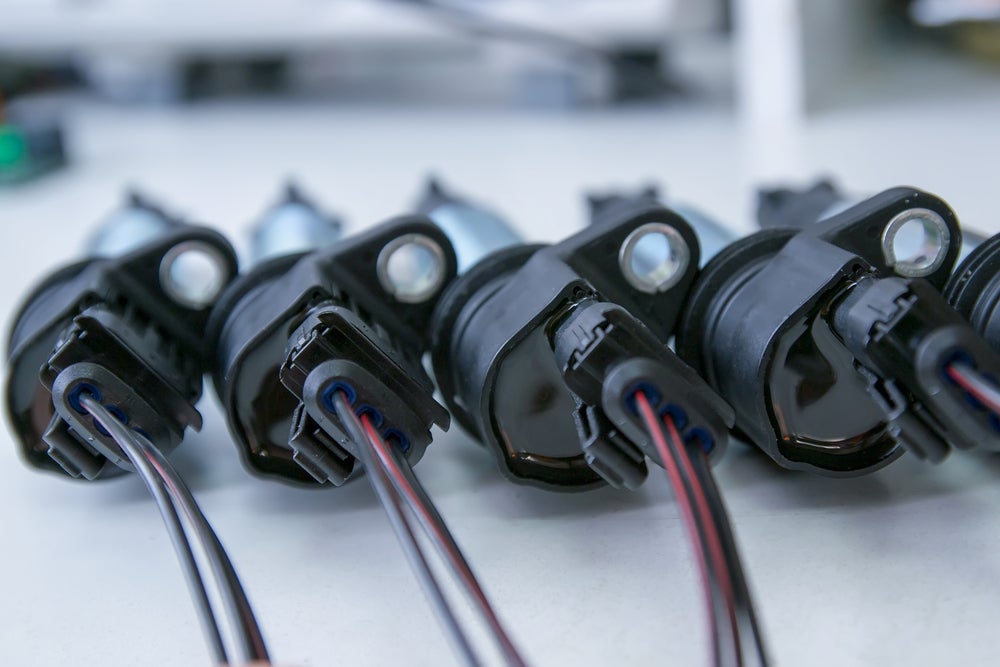
Your vehicle's engine is made up of several different parts that all work together to start your car and keep it moving. One of the most important parts of the engine is the ignition coil, which is responsible for the spark that starts and powers your engine. Unfortunately, over time, this part can fail and will need to be replaced. We're going to share five signs that tell you it's time to head to your Hyundai dealer to replace your faulty ignition coil. 5 Signs of a Faulty Ignition Coil 1. You're Going Through Fuel a Lot Quicker When the ignition coil is wearing out, it may not be providing enough spark to power the engine in the way it should. This means your vehicle will require more fuel to power it than usual. If you notice your fuel mileage change significantly, get your engine parts checked out. more 2. Your Engine Is Acting Strangely If you notice any difference in your engine while you're driving, this can be a sign of a failing ignition coil. Strange noises, jerking movements, or any sluggishness in the engine should be checked out immediately. Ignoring any engine issues can lead to further damage, creating costly repairs. 3. Your Engine Light Has Come On When your check engine light comes on, it's important not to ignore it! It indicates that there is an issue within the engine that needs attention. This can mean anything from a loose wire to total engine failure, but often it's due to the ignition coil failing. Take your vehicle to your mechanic, where they will use a special tool to read the code and find out the exact issue. 4. Your Vehicle Stalls or Won't Start at All When your ignition coil fails completely, it won't be able to give off any spark to start the engine, or it will cause it to stall if the vehicle has already been started. There can be other reasons why your car won't start or stalls, but if you've noticed any engine changes leading up to it, chances are it's your ignition coil. 5. Your Hyundai Dealer Informs You the Ignition Coil Has Failed If you're getting regular maintenance done on your vehicle, the mechanics will check all the parts of the engine as part of their safety checklist. They will let you know if your ignition coil is faulty. At Crain Hyundai of North Little Rock, we're proud to be a family-owned dealership with family members on site every single day. Our friendly staff is here to help you in any way we can. Call or stop by Crain Hyundai of North Little Rock today to view our inventory, ask any questions, or book a service appointment.

Front view of a Hyundai IONIQ 5 with headlights on at night

3 Benefits of Getting Routine Brake Service at Your Hyundai Dealer

The braking system is a vital part of your Hyundai. You depend on your brakes to control your speed and stop at any time. All mechanical systems require regular servicing to keep them working effectively. Time, wear, and damage can reduce the effectiveness of your brakes and result in an accident. As your Hyundai dealer, we'd like to tell you some of the benefits of getting a brake service with us. Quality Service While you could get your brakes serviced anywhere, your safety and your car's health depend on your brakes working perfectly. Our technicians are trained and certified by Hyundai. They have expert knowledge of every part of your car. Our experts can detect problems that non-specialist mechanics can't due to their practical experience and training. We also use only genuine Hyundai parts in all our repairs. Using inferior generic parts is dangerous when your safety can depend on an instant response from your brakes. Genuine parts are the only way to guarantee that level of precision. As a dealer, we provide warranties on all our work as an additional guarantee of the standard of work we provide. Reduced Maintenance Poorly working brakes are not only dangerous, but they also place additional strain on other parts of your Hyundai. The axles, tires, suspension, and engine will suffer in various ways due to bad brake performance. Your tires, for example, will experience more wear due to longer braking distances, jammed calipers, and other braking issues. Increased tire wear Bad brakes increase wear on your engine, as the engine has to work harder to overcome the brake issues. A dragging caliper, for example, keeps the brake engaged on one of your wheels. The engine has to compensate for this, which uses extra fuel and reduces engine performance. All these problems will disappear once our technicians have serviced your brakes. Safer Driving When you're driving, you need to know that you can control your car's speed. This enables you to drive with confidence, and enjoy the benefits of your Hyundai experience. Driving can be stressful at times, and you don't need the worry of wondering if your brakes will work when you need them to. Once our technicians have serviced your brakes, you have the confidence of knowing that the brakes are in perfect working condition. Our technicians check every section of the system to find any possible problem. To keep your brakes in great condition, they need to be serviced according to your car's service schedule. If you'd like more information or to book your service, call our service department right away at Crain Hyundai of North Little Rock. Image via Hyundai.

Close-up of a Hyundai headlight at dusk

Time for New Headlights? Visit Your Hyundai Dealership Today

Your car headlights are an essential part of your vehicle's safety system, crucial both for ensuring your own visibility and for making other road users aware of your presence. Here are some of the factors to consider when deciding if it's time to contact your Hyundai dealership for new headlights. How Long Do They Last? With different factors affecting their longevity, it's impossible to put a firm figure on the lifespan of your headlight bulbs. While the traditional halogen lights may only last for 500 hours, the more efficient HID and Xenon bulbs will last for longer, and LED bulbs can work effectively for more than 30,000 hours. It's helpful to be aware of the type of bulb in your headlights for a rough idea of when they might need replacing. Why Else Might They Fail? However, there are other reasons why your headlights might become less effective. Extended periods of prolonged use might cause them to burn out quicker, and factory defects or faulty wiring can also shorten their lifespan. Vehicles that operate on a higher voltage, or that frequently drive on bumpy roads are also likely to wear bulbs out faster. Because of these variables, it's important to stay alert to their condition. What Are the Signs? Be sure to check your headlights regularly to see whether they are burning brightly, and look out for the following problems. Dimming It can be difficult to pick up on dim bulbs because they fade gradually, but it's important to stay vigilant as this can seriously affect visibility over time. Remember to check that your car's headlight area is free of grime and dirt, which can sometimes build up and affect the strength of the beam. If the lights are thoroughly clean but remain dim, it's time to replace the bulbs. Flickering If the headlight flickers, it might be a sign that the filament in the bulb is old and worn, and may soon burn out entirely. It can also signal a faulty connection but, either way, it means that your headlights need attention. One Bulb Out Since both your headlights are likely to have a similar lifespan, if one goes out then it's likely that the other will need replacing soon and may already be dim. It's better to replace them in pairs to ensure that both are burning brightly and giving you maximum visibility. While it's sometimes possible to replace a headlight yourself, it can be a fiddly job and might require you to remove other parts of the headlight assembly to get to the bulb. For this and any other car maintenance, it's best to schedule a service at Crain Hyundai of North Little Rock to be sure of trained, specialist analysis and repair. Image via Hyundai.

Front view of a red Hyundai driving in sunlight on a modern road

5 Car Maintenance Tips to Keep Your Hyundai Running Smoothly

Regular car maintenance will keep your Hyundai in excellent condition and on the road for years to come. Follow your vehicle's service schedule, stick to the recommended maintenance intervals, and your Hyundai Palisade, Santa Fe, or Elantra will always be a pleasure to drive. Below are maintenance tips from your Hyundai dealer to help you keep your Hyundai running like new. 1. Change the Oil at the Recommended Intervals Oil lubricates the moving parts, limits friction, and keeps your engine clean and protected. It's the most critical maintenance task you can perform. Hyundai recommends changing the oil every 4,500 miles to 7,500 miles depending on your driving habits and the roads you use. You'll find the recommended oil change intervals for your specific model in your owner's manual, and your Hyundai technician will help you with the best oil change schedule for your driving conditions. 2. Top Off the Fluids Your car needs different fluids to keep the parts lubricated and cool. It's essential to check all the fluids regularly, keep them at the proper levels, and replace them at the factory-recommended intervals. Transmission fluid keeps the transmission cool and the parts lubricated, and power steering fluid lubricates the hydraulic power steering pump. Coolant has rust inhibitors to prevent rust from damaging your engine and other components, and your brake fluid is vital because when it runs out, your brakes won't work. 3. Check the Battery Your car battery starts your car and powers the electronic accessories and is one of the most important components. Check your battery for buildup around the terminals and the case for damage. Ask your Hyundai technician to regularly test the battery, especially if it's older than three years. 4. Replace the Car Air Filter Regularly If you want your car to be fuel efficient and lower engine emissions, change the air filter regularly. Your air filter keeps dust and debris away from your engine and allows clean air through. When the air filter is old and dirty, it reduces the airflow. Your car will guzzle more gas, feel slow and sluggish, and you might even find it hard to start the engine. 5. Look After Your Tires Tires are expensive, and you want to make them last as long as possible. Check your tire pressure regularly and keep the pressure at the correct levels to get more miles out of each tire. The tire pressure for your front and rear tires is on a sticker inside your driver's door. Your owner's manual will tell you when you need to rotate your car's tires and check the alignment. Regular tire rotations will ensure the tires wear evenly and last longer. Regular maintenance from qualified and experienced Hyundai technicians and a little care from you will prolong the life of your engine, prevent breakdowns, and save you money on costly repairs. Call Crain Hyundai of North Little Rock today and schedule a maintenance appointment. We are here to help you maintain your Hyundai and keep it performing at its best. Image via Hyundai.

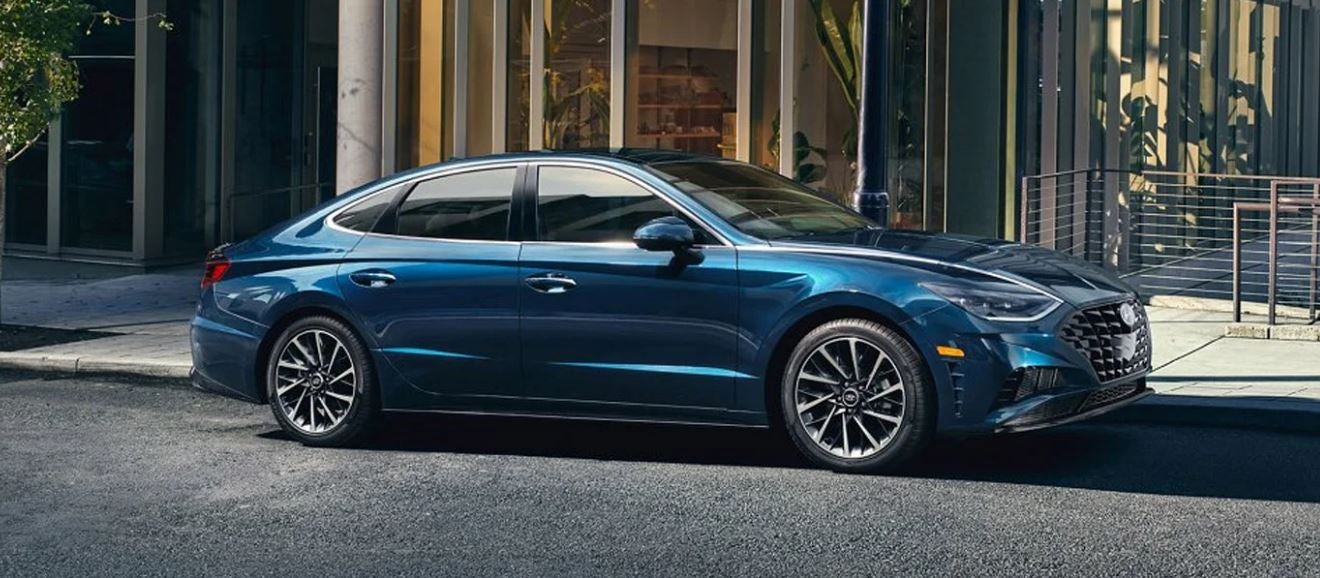
Blue Hyundai sedan parked outside a modern building in North Little Rock.

How Can You Check Your Car Emissions?

Are you wondering if your ride can pass the emissions muster? You r Hyundai dealer is here to help with these handy tips for completing the car emissions testing process. Car Emissions Testing Vehicles completely or partially powered by gasoline emit gases or particles like carbon that can be harmful to the atmosphere. For this reason, many regions and states put caps on the amount of these emissions your vehicle can produce. These laws have led to an uptick in the number of certified vehicle emissions testing sites around the country. At these sites, your car will go through a professional testing process conducted by trained technicians. In most cases, you will need to have your driver's license, registration, and related auto documents on hand as well as the testing fee. Onboard Diagnostics Tests Vehicles made since the mid-1990s generally are manufactured with emissions standards in mind. Monitoring of these standards is embedded in the vehicle's computer system. Individuals can access this system through an electronic port around the steering column known as the onboard diagnostic port. By inserting a diagnostic device into this port, a person can monitor test cycles of the system that will give an alert if any issue or problem is detected. Exhaust Analysis If you have an older car or simply want a more in-depth test, this more old-school routine can also work efficiently. With this method, a device called an exhaust gas analyzer is placed in or around the tailpipe. This device provides direct measurements of a number of different types of emissions, including carbon dioxide, carbon monoxide, hydrocarbon, and nitrogen oxide. Eliminate emissions worries entirely with the Hyundai Kona Electric. This all-electric spin on the popular subcompact Kona SUV gets all its grit from a 201-horsepower electric motor and battery pack that delivers nearly 260 miles of range on a full charge. Best of all, this zero-emissions vehicle offers an amazing 120 miles per gallon of fuel efficiency. Symptom Check Certain signs with your car may also signal a problem with emissions. For one, a lit-up check engine light is a major indicator. The presence of this light may be grounds for an immediate test failure, as it likely indicates your car is out of compliance with the manufacturer's emissions standards. In addition, other failing components of your car can and often do cause problems with emissions levels. Common malfunctioning components that impact emissions include the catalytic converter, spark plugs, ignition coil, radiator fan, and gas cap. If you notice your fuel economy seriously waning, this effect can be another key symptom of emissions issues. How Your Hyundai Dealer Can Help An emissions test can diagnose a problem, but it cannot provide a fix. If your car's emissions standards are not up to par, you'll likely get a report indicating repairs are needed. Service departments employ certified experts with years of auto experience that can take care of issues hindering your car's efficiency and help you maintain a solid, dependable ride. Contact Crain Hyundai of North Little Rock for service repairs and maintenance you can count on any time. Image via Hyundai.

Front view of a black Hyundai SUV on a road at sunset, symbolizing engine reliability.

5 Engine Problems You Should Always Get Fixed at Your Hyundai Dealer

Your Hyundai has probably accompanied you on more adventures than you can count. Whether they were short and simple or long and complicated, they have all been memories worth cherishing with the vehicle that made them happen. But every now and then (that's if you have upgraded to newer models such as the 2022 Hyundai VENUE SEL), your car might encounter engine problems that require a little TLC from your local Hyundai dealer to be fully resolved. 1. Idle Quality Isn't Up to Standard Idle quality issues are typically caused by either a faulty intake system or a bad fuel injector. If your idle quality isn't up to standard, your car could be either “running rich” or “running lean.” A car that runs rich will feel as if it's idling at a lower rev, while a car that runs lean will feel as if it's idling at a higher rev. Your local car dealer can diagnose either issue and replace the component as necessary. Your mechanic can usually fix lean issues by adjusting the air/fuel ratio on your car's computer. If your car is running rich, the mechanic can swap out your fuel filter to correct the issue. 2. Rough Shifting During Acceleration If your car's transmission feels rough during acceleration, especially when shifting from first to second or from second to third, it could be an indication of a bad transmission band or band tensioner. Rough transmissions, especially on automatic cars, often occur because of a bad band or band tensioner. The band is responsible for transferring power from the transmission to the wheels, and a bad one will cause a transmission to feel “stuck.” A faulty band can be fixed by replacing the band itself or adjusting its tension. A stuck or “jumpy” transmission, on the other hand, will typically cause the car to buck or “jump” when shifting. Your dealer can check the transmission fluid to see if it needs to be flushed and can also inspect the transmission's bands and band tensioners. 3. Stuck in First Gear A stuck first gear could be indicative of a bad flywheel, a faulty clutch, or a bad clutch. A bad clutch can cause your car to feel “bumpy” while driving, and a flywheel that's binding during acceleration can cause your car to “bounce” when you take off. A bad flywheel, on the other hand, can cause your engine to feel “jumpy” when you take off and “lurchy” when you're cruising. A bad flywheel is more serious than a bad clutch, as it can damage your engine. Your mechanic can diagnose the problem and fix it if necessary. 4. Check Engine Light Is On If your check engine light is on, it could mean a number of things, from a loose gas cap to an oxygen sensor that isn't working properly. A loose gas cap can cause your car to “evaporate” fuel, which will trigger the check engine light. A faulty oxygen sensor can also cause the check engine light to come on, as it monitors the oxygen levels in your car's exhaust. Your mechanic can clean or replace your oxygen sensor as necessary. Your car's engine is an intricate machine that requires proper maintenance and attention to keep it healthy. If an issue should arise, don't try to fix it on your own; reach out to Crain Hyundai of North Little Rock for expert engine repair. If your engine is beyond repair, we can help you find a replacement. We have a wide selection of new and used engines available, so you're sure to find one that fits your needs and budget. Image via Hyundai.

Profile view of a silver 2019 Hyundai Sonata parked on the street. | Hyundai dealer in North Little Rock, AR.

Does Your Hyundai Need a Transmission Repair?

Your Hyundai's transmission converts your engine's power into a controlled and usable form to move your car. The gears in the transmission ensure that the right amount of power is transferred to your wheels to move you at the required speed. Your transmission comprises hundreds of parts, and some of them can fail. In Little Rock, AR, your local Hyundai dealer can help you when you need a transmission repair. Hesitation Shifting Gears Your transmission should shift smoothly and easily through the gears. An early sign of a transmission problem is a slight hesitation in your transmission shifting from one gear to the next. This situation will be noticeable when you shift from park to drive, and it will progress to a delay as your transmission shifts to higher gears. One of the most common causes of this problem is a lack of transmission fluid. It could also be caused by a blocked transmission filter which is preventing the fluid from flowing freely through the transmission. This filter serves to collect metallic pieces and other debris absorbed by the fluid in the transmission. We check and replace your filter during your regular transmission service. Transmission Won't Shift Gears Your transmission, as we saw above, transfers your engine's power to your wheels. If your transmission suddenly refuses to shift, your engine will run, but its power is wasted. There are many possible causes for a jammed transmission. It's also important to realize that these problems don't mean that your transmission is irreparably damaged. The causes of a failed transmission include a blocked transmission filter, a damaged transmission control unit, a malfunctioning sensor, or a mechanical failure. The cause isn't immediately apparent, but our technicians can connect your car to our diagnostic system to pinpoint the problem. Once we've found the issue, our highly-trained technicians will fix the problem for you. Slipping Gears When you or the transmission computer shift gears, your transmission should remain in that gear until another directly initiated shift occurs. If your transmission starts to slip, this means it can move back to the previous gear without any intervention. Since the gears control your speed, a transmission that suddenly shifts down to a lower gear can potentially cause an accident. Your car's computer will detect the problem with gear shifting, and as a safety feature, your transmission will default to limp mode. In limp mode, your transmission will only allow you to use one gear. This is generally the third gear to prevent damage to the transmission. Limp mode will allow you to get to a place of safety and repair the transmission. Many drivers worry when they think of a transmission problem, as they have visions of huge repair bills. Most transmission problems can be easily and inexpensively fixed if they're attended to as soon as they're noticed. If you have a transmission problem, call us ASAP at Crain Hyundai of North Little Rock. Image via Hyundai.

Close view of the front tire area of a blue 2021 Hyundai Sonata. | Hyundai service in Little Rock, AR.

Time for New Tires? Visit Your Hyundai` Dealer Today

Modern tires are strong and well designed. They're manufactured from bands of polyester and steel covered in rubber. Strength is important, as they travel over a multitude of surfaces from the highway, to sand, to ice and will still work well. Tires, like every other component on a vehicle, will suffer wear and tear and will eventually need to be replaced. When you need new tires fitted, come and see your Hyundai dealer and we'll replace them. Vibrations When You Drive Depending on the surface you're driving on, vibrations may be perfectly normal. If you driving on rough terrain or unpaved roads you'd expect a slightly bumpier ride. If your car vibrates on the highway or a city street, this can be a sign that something is wrong. The source of the vibration could be due to a worn shock absorber or your tires may be misaligned and need to be realigned. Another possibility is that your tire may need to be rebalanced, or the problem may be more serious. A slight separation can occur in a tire between the steel band in the center and the polyester bands on either side. If this happens the tire, unfortunately, can never be balanced and will have to be replaced. No Traction The tread on your tires is specially designed to grip the surface as you drive. A good grip allows you to drive easier and helps when you have to drive in wet, mud, or snow and ice. As your tires over the surface, the rubber treads will slowly wear down, and the more abrasive the surface the faster the wear. The grooves in the tread allow water, slush, and other liquids to escape from the tread and run away. If your tread is severely worn, the grooves will start to disappear. The shallower the grooves on your tires, the less liquid runoff will occur. Without grooves, your car is at risk of hydroplaning on a wet or snowy surface. Hydroplaning occurs when the tires have a layer of water between them and the surface, and it's extremely easy to lose control of your car. If your tires have shallow grooves or worse no grooves, they need to be changed immediately. Driving on a Donut If you've had a flat, and replaced it with the donut your car's balance, suspension, and control will all be affected. The donut should be used only in an emergency and should be replaced by a normal tire ASAP. The donut is smaller and doesn't have the strength and reinforcement of a regular tire. Donuts are manufactured to the minimum safety standard for a tire to be on the road. As a general rule, a donut should be used 50-50, that is at a speed of no more than 50 mph and for no more than 50 miles. For safety, if your tires are worn call our service department immediately at Crain Hyundai of North Little Rock. Image via Hyundai.

Interior dashboard view of a 2021 Hyundai Palisade. | Hyundai dealer in North Little Rock, AR.

3 Signs Your Hyundai Could Use an Alternator Repair

It's a common misconception that the battery supplies all of the electricity a car needs. Without a working alternator, a car's battery would never be able to recharge and would simply die once it's used up its stored power. If your alternator goes bad in Little Rock, AR, visit your friendly Hyundai dealer and we can help with a repair or replacement. We'd like you to know some of the signs that you'll need an alternator repair. Starting Problems Your battery provides the charge to start your ignition, and your battery is recharged by the alternator as you drive. If your alternator starts to wear, it becomes more difficult for it to fully recharge your battery. Starting your engine should be as easy as pushing a button or turning the key, but if the battery isn't fully charged it can take longer to build up the necessary power. A battery lasts up to 5 years before it needs to be replaced, and an old battery could be the cause of your car's starting problem. if your battery is new, the most likely suspect is a failing alternator. Check Battery Light The check battery light should light up when your engine starts, and then switch off almost immediately. This is normal and means that your system is testing the various components and they're working correctly. If the battery light stays on, this means that there is a problem with the electrical charging system. Your alternator should produce a voltage of 13 to 14.5 volts, but a failing alternator will not be able to match that voltage. The battery light lights up if the voltage varies as a sign that something is wrong. Stalling Problems It can be very dangerous if your car stalls unexpectedly, especially if you are turning a corner at speed, or driving on the highway. The alternator provides all the electrical power for your car while the car is moving, but a weakening alternator generates less power than it should. If there is less electrical power available than required to power all the devices and components in your car, you'll start to notice random electrical problems. Your Hyundai's computer has a safety feature to ensure that critical components always have priority if there is only limited electrical power available. This feature ensures that systems like the spark plugs will receive power even if it means that the CD player, for example, cannot work. A dying alternator may lose the ability to supply the spark plugs with power, and this means that they stop firing and your car will stop immediately. Don't let a bad alternator let you down when you need it most. If your alternator is weakening, call our service center right away at Crain Hyundai of North Little Rock. Our highly-trained technicians will have your car fixed and running perfectly again in a jiffy. We're always here for you.   Image via Hyundai.

A red 2021 Hyundai Kona being driven on the highway. | Hyundai dealer in Little Rock, AR.

5 Reasons to Replace Your Car Air Filter Regularly

Your engine needs huge amounts of air for combustion, and that air must also be free from dirt and other contaminants. Your car air filter is essential for cleaning the air before it enters your car's engine. As the filter traps more debris, it will start to clog up and it'll need to be replaced. As your Hyundai dealer, we'd like you to know the reasons why you should regularly replace your filter. Lower Emissions Pollution is an unpleasant fact of life, but the more we can do to reduce it the better. A dirty air filter prevents enough clean air from reaching your engine, and without enough air in your engine, much of the fuel won't burn. Unburnt fuel is forced out of your engine as black smoke. This smoke is more harmful to the environment than regular auto emissions due to the chemicals in unburnt fuel. Reduces Engine Damage By trapping dirt, dust, and other particles your air filter helps to prevent damage to your engine. The pistons, cylinders, and numerous other components can be damaged over time by dirt in the air. Particles of debris, over time, can abrade vital components and wear them out before their time. By regularly replacing your filter, you can increase the life of your engine. Increased Efficiency A poor air-fuel mix due to a clogged filter means that your engine wastes fuel that can't be burnt. Fuel is expensive, and by replacing your air filter regularly you can reduce your fuel consumption. Studies have shown that regularly replacing your filter can lead to an increase in fuel mileage by up to 15%. Fuel-injected engines can also potentially increase their acceleration rate. more Air Filters Are Cheap An air filter is one of the cheapest components in your vehicle, but it can have a large impact on the cost of running your car. You save money by reducing your fuel mileage and preventing potential future repairs by fitting a new filter, so it makes sense to regularly replace the filter. Replacement is Quick and Easy Your air filter is replaced regularly according to your car's service schedule. You would only usually replace the filter earlier if you have been driving in areas where there is a greater chance of your filter being damaged. Dusty conditions and forests and woodlands produce more debris that can block the filter and wear it out faster. We always have available stock of the right filter for your car, so there's no delay in fitting a new one. A new air filter provides a wide variety of benefits for your car and also saves you money. We replace the filter according to your service schedule, but if your engine isn't operating as efficiently as it should, call our service center at Crain Hyundai of North Little Rock. Our expert technicians will check your filter, and we can replace it with a new one if needed.   Image via Hyundai.

Contact Us

Fill out this form below and we'll contact you shortly

By submitting your information, you agree to the sharing of your information between Hyundai Motor America and its authorized dealers.

*Required Fields