• Crain Hyundai of North Little Rock

Blog / Little Rock Hyundai Service

Time for New Headlights? Visit Your Hyundai Dealership Today

Close-up of a Hyundai headlight at dusk
Your car headlights are an essential part of your vehicle's safety system, crucial both for ensuring your own visibility and for making other road users aware of your presence. Here are some of the factors to consider when deciding if it's time to contact your Hyundai dealership for new headlights.

How Long Do They Last?

With different factors affecting their longevity, it's impossible to put a firm figure on the lifespan of your headlight bulbs. While the traditional halogen lights may only last for 500 hours, the more efficient HID and Xenon bulbs will last for longer, and LED bulbs can work effectively for more than 30,000 hours. It's helpful to be aware of the type of bulb in your headlights for a rough idea of when they might need replacing.

Why Else Might They Fail?

However, there are other reasons why your headlights might become less effective. Extended periods of prolonged use might cause them to burn out quicker, and factory defects or faulty wiring can also shorten their lifespan. Vehicles that operate on a higher voltage, or that frequently drive on bumpy roads are also likely to wear bulbs out faster. Because of these variables, it's important to stay alert to their condition.

What Are the Signs?

Be sure to check your headlights regularly to see whether they are burning brightly, and look out for the following problems.

Dimming

It can be difficult to pick up on dim bulbs because they fade gradually, but it's important to stay vigilant as this can seriously affect visibility over time. Remember to check that your car's headlight area is free of grime and dirt, which can sometimes build up and affect the strength of the beam. If the lights are thoroughly clean but remain dim, it's time to replace the bulbs.

Flickering

If the headlight flickers, it might be a sign that the filament in the bulb is old and worn, and may soon burn out entirely. It can also signal a faulty connection but, either way, it means that your headlights need attention.

One Bulb Out

Since both your headlights are likely to have a similar lifespan, if one goes out then it's likely that the other will need replacing soon and may already be dim. It's better to replace them in pairs to ensure that both are burning brightly and giving you maximum visibility. While it's sometimes possible to replace a headlight yourself, it can be a fiddly job and might require you to remove other parts of the headlight assembly to get to the bulb. For this and any other car maintenance, it's best to schedule a service at Crain Hyundai of North Little Rock to be sure of trained, specialist analysis and repair. Image via Hyundai.

Posted in:

Related Posts

Front view of a Hyundai IONIQ 5 with headlights on at night

3 Benefits of Getting Routine Brake Service at Your Hyundai Dealer

The braking system is a vital part of your Hyundai. You depend on your brakes to control your speed and stop at any time. All mechanical systems require regular servicing to keep them working effectively. Time, wear, and damage can reduce the effectiveness of your brakes and result in an accident. As your Hyundai dealer, we'd like to tell you some of the benefits of getting a brake service with us. Quality Service While you could get your brakes serviced anywhere, your safety and your car's health depend on your brakes working perfectly. Our technicians are trained and certified by Hyundai. They have expert knowledge of every part of your car. Our experts can detect problems that non-specialist mechanics can't due to their practical experience and training. We also use only genuine Hyundai parts in all our repairs. Using inferior generic parts is dangerous when your safety can depend on an instant response from your brakes. Genuine parts are the only way to guarantee that level of precision. As a dealer, we provide warranties on all our work as an additional guarantee of the standard of work we provide. Reduced Maintenance Poorly working brakes are not only dangerous, but they also place additional strain on other parts of your Hyundai. The axles, tires, suspension, and engine will suffer in various ways due to bad brake performance. Your tires, for example, will experience more wear due to longer braking distances, jammed calipers, and other braking issues. Increased tire wear Bad brakes increase wear on your engine, as the engine has to work harder to overcome the brake issues. A dragging caliper, for example, keeps the brake engaged on one of your wheels. The engine has to compensate for this, which uses extra fuel and reduces engine performance. All these problems will disappear once our technicians have serviced your brakes. Safer Driving When you're driving, you need to know that you can control your car's speed. This enables you to drive with confidence, and enjoy the benefits of your Hyundai experience. Driving can be stressful at times, and you don't need the worry of wondering if your brakes will work when you need them to. Once our technicians have serviced your brakes, you have the confidence of knowing that the brakes are in perfect working condition. Our technicians check every section of the system to find any possible problem. To keep your brakes in great condition, they need to be serviced according to your car's service schedule. If you'd like more information or to book your service, call our service department right away at Crain Hyundai of North Little Rock. Image via Hyundai.

Front view of a red Hyundai driving in sunlight on a modern road

5 Car Maintenance Tips to Keep Your Hyundai Running Smoothly

Regular car maintenance will keep your Hyundai in excellent condition and on the road for years to come. Follow your vehicle's service schedule, stick to the recommended maintenance intervals, and your Hyundai Palisade, Santa Fe, or Elantra will always be a pleasure to drive. Below are maintenance tips from your Hyundai dealer to help you keep your Hyundai running like new. 1. Change the Oil at the Recommended Intervals Oil lubricates the moving parts, limits friction, and keeps your engine clean and protected. It's the most critical maintenance task you can perform. Hyundai recommends changing the oil every 4,500 miles to 7,500 miles depending on your driving habits and the roads you use. You'll find the recommended oil change intervals for your specific model in your owner's manual, and your Hyundai technician will help you with the best oil change schedule for your driving conditions. 2. Top Off the Fluids Your car needs different fluids to keep the parts lubricated and cool. It's essential to check all the fluids regularly, keep them at the proper levels, and replace them at the factory-recommended intervals. Transmission fluid keeps the transmission cool and the parts lubricated, and power steering fluid lubricates the hydraulic power steering pump. Coolant has rust inhibitors to prevent rust from damaging your engine and other components, and your brake fluid is vital because when it runs out, your brakes won't work. 3. Check the Battery Your car battery starts your car and powers the electronic accessories and is one of the most important components. Check your battery for buildup around the terminals and the case for damage. Ask your Hyundai technician to regularly test the battery, especially if it's older than three years. 4. Replace the Car Air Filter Regularly If you want your car to be fuel efficient and lower engine emissions, change the air filter regularly. Your air filter keeps dust and debris away from your engine and allows clean air through. When the air filter is old and dirty, it reduces the airflow. Your car will guzzle more gas, feel slow and sluggish, and you might even find it hard to start the engine. 5. Look After Your Tires Tires are expensive, and you want to make them last as long as possible. Check your tire pressure regularly and keep the pressure at the correct levels to get more miles out of each tire. The tire pressure for your front and rear tires is on a sticker inside your driver's door. Your owner's manual will tell you when you need to rotate your car's tires and check the alignment. Regular tire rotations will ensure the tires wear evenly and last longer. Regular maintenance from qualified and experienced Hyundai technicians and a little care from you will prolong the life of your engine, prevent breakdowns, and save you money on costly repairs. Call Crain Hyundai of North Little Rock today and schedule a maintenance appointment. We are here to help you maintain your Hyundai and keep it performing at its best. Image via Hyundai.

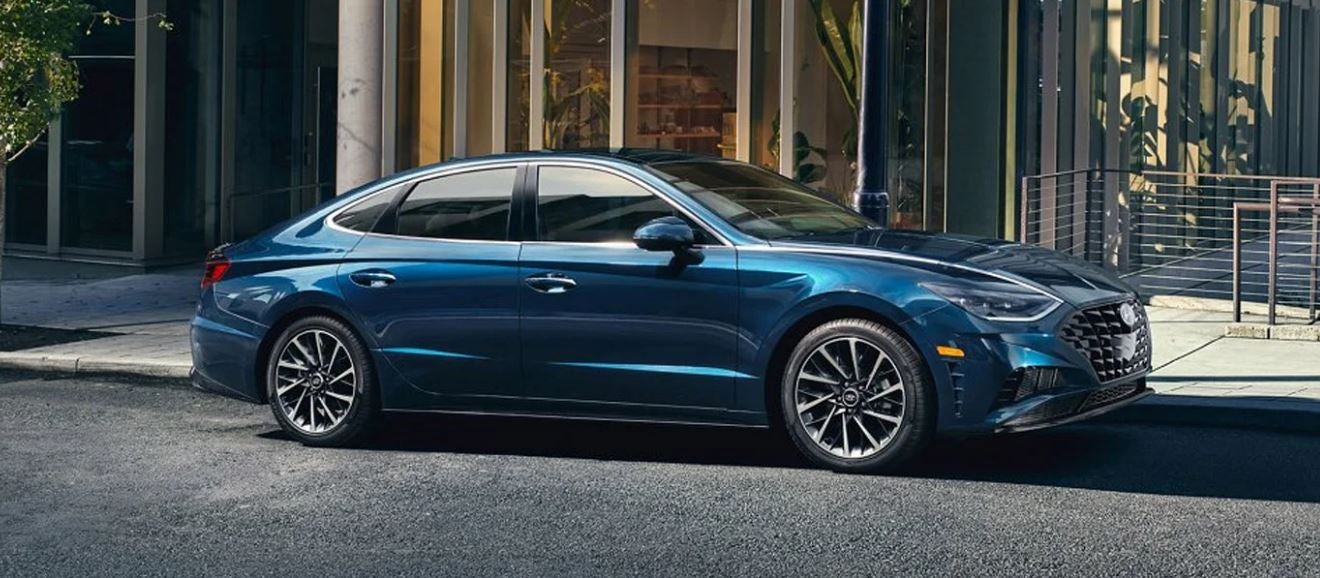
Blue Hyundai sedan parked outside a modern building in North Little Rock.

How Can You Check Your Car Emissions?

Are you wondering if your ride can pass the emissions muster? You r Hyundai dealer is here to help with these handy tips for completing the car emissions testing process. Car Emissions Testing Vehicles completely or partially powered by gasoline emit gases or particles like carbon that can be harmful to the atmosphere. For this reason, many regions and states put caps on the amount of these emissions your vehicle can produce. These laws have led to an uptick in the number of certified vehicle emissions testing sites around the country. At these sites, your car will go through a professional testing process conducted by trained technicians. In most cases, you will need to have your driver's license, registration, and related auto documents on hand as well as the testing fee. Onboard Diagnostics Tests Vehicles made since the mid-1990s generally are manufactured with emissions standards in mind. Monitoring of these standards is embedded in the vehicle's computer system. Individuals can access this system through an electronic port around the steering column known as the onboard diagnostic port. By inserting a diagnostic device into this port, a person can monitor test cycles of the system that will give an alert if any issue or problem is detected. Exhaust Analysis If you have an older car or simply want a more in-depth test, this more old-school routine can also work efficiently. With this method, a device called an exhaust gas analyzer is placed in or around the tailpipe. This device provides direct measurements of a number of different types of emissions, including carbon dioxide, carbon monoxide, hydrocarbon, and nitrogen oxide. Eliminate emissions worries entirely with the Hyundai Kona Electric. This all-electric spin on the popular subcompact Kona SUV gets all its grit from a 201-horsepower electric motor and battery pack that delivers nearly 260 miles of range on a full charge. Best of all, this zero-emissions vehicle offers an amazing 120 miles per gallon of fuel efficiency. Symptom Check Certain signs with your car may also signal a problem with emissions. For one, a lit-up check engine light is a major indicator. The presence of this light may be grounds for an immediate test failure, as it likely indicates your car is out of compliance with the manufacturer's emissions standards. In addition, other failing components of your car can and often do cause problems with emissions levels. Common malfunctioning components that impact emissions include the catalytic converter, spark plugs, ignition coil, radiator fan, and gas cap. If you notice your fuel economy seriously waning, this effect can be another key symptom of emissions issues. How Your Hyundai Dealer Can Help An emissions test can diagnose a problem, but it cannot provide a fix. If your car's emissions standards are not up to par, you'll likely get a report indicating repairs are needed. Service departments employ certified experts with years of auto experience that can take care of issues hindering your car's efficiency and help you maintain a solid, dependable ride. Contact Crain Hyundai of North Little Rock for service repairs and maintenance you can count on any time. Image via Hyundai.