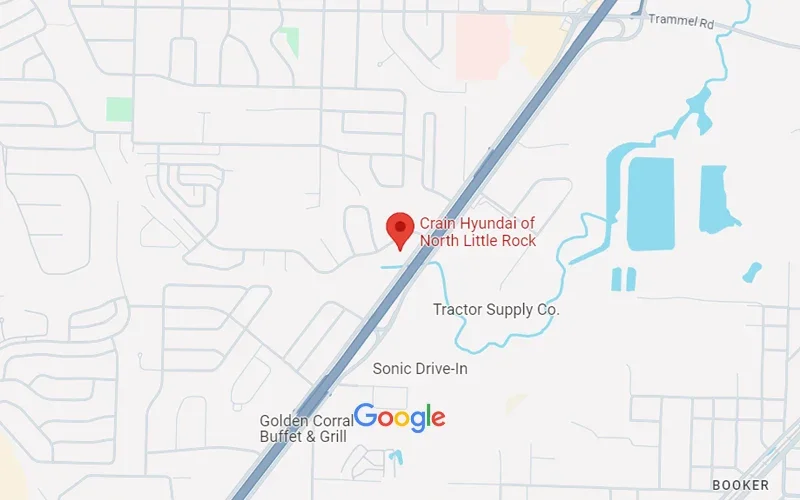

• Crain Hyundai of North Little Rock

Blog / Crain Hyundai of North Little Rock

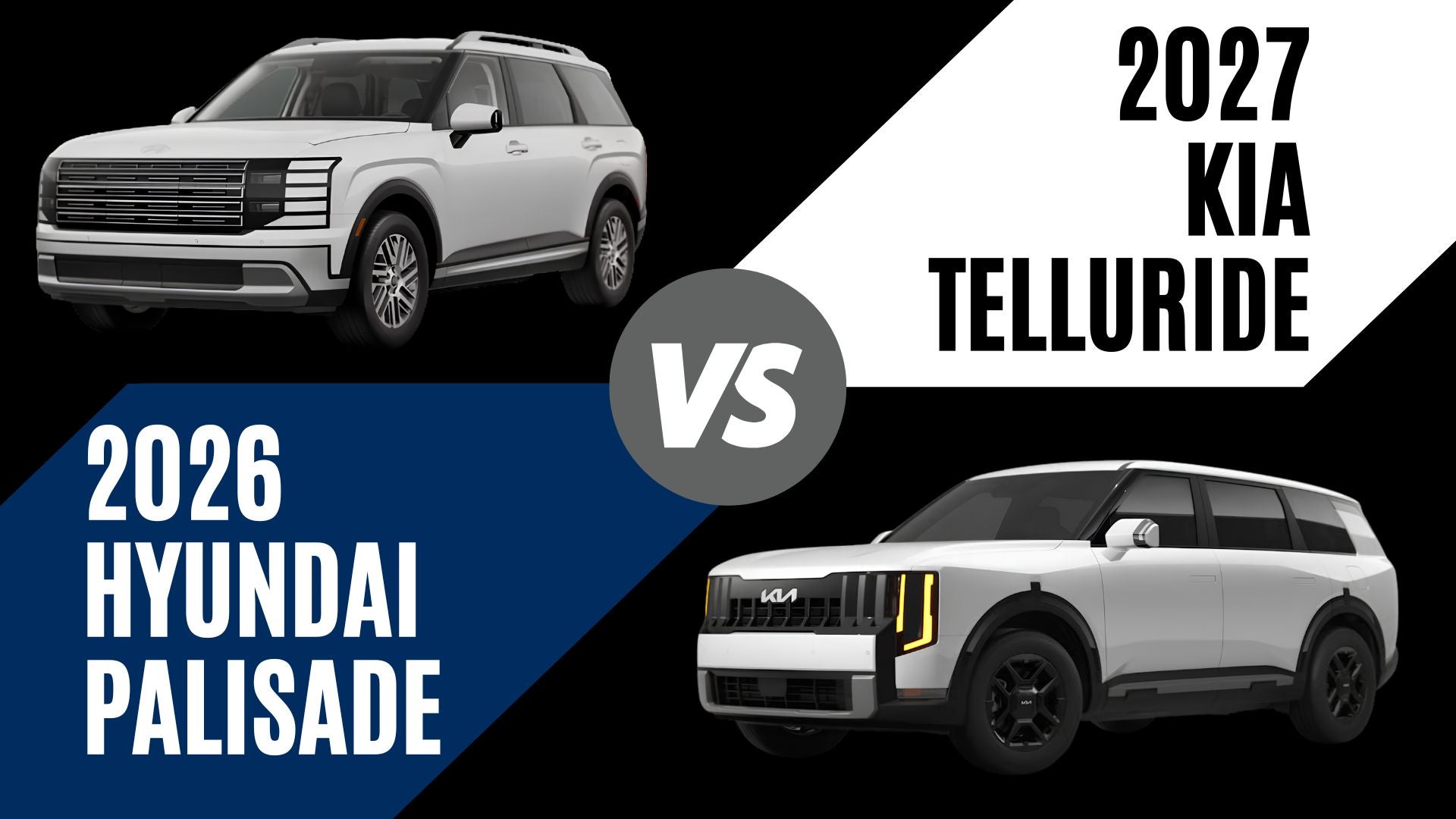
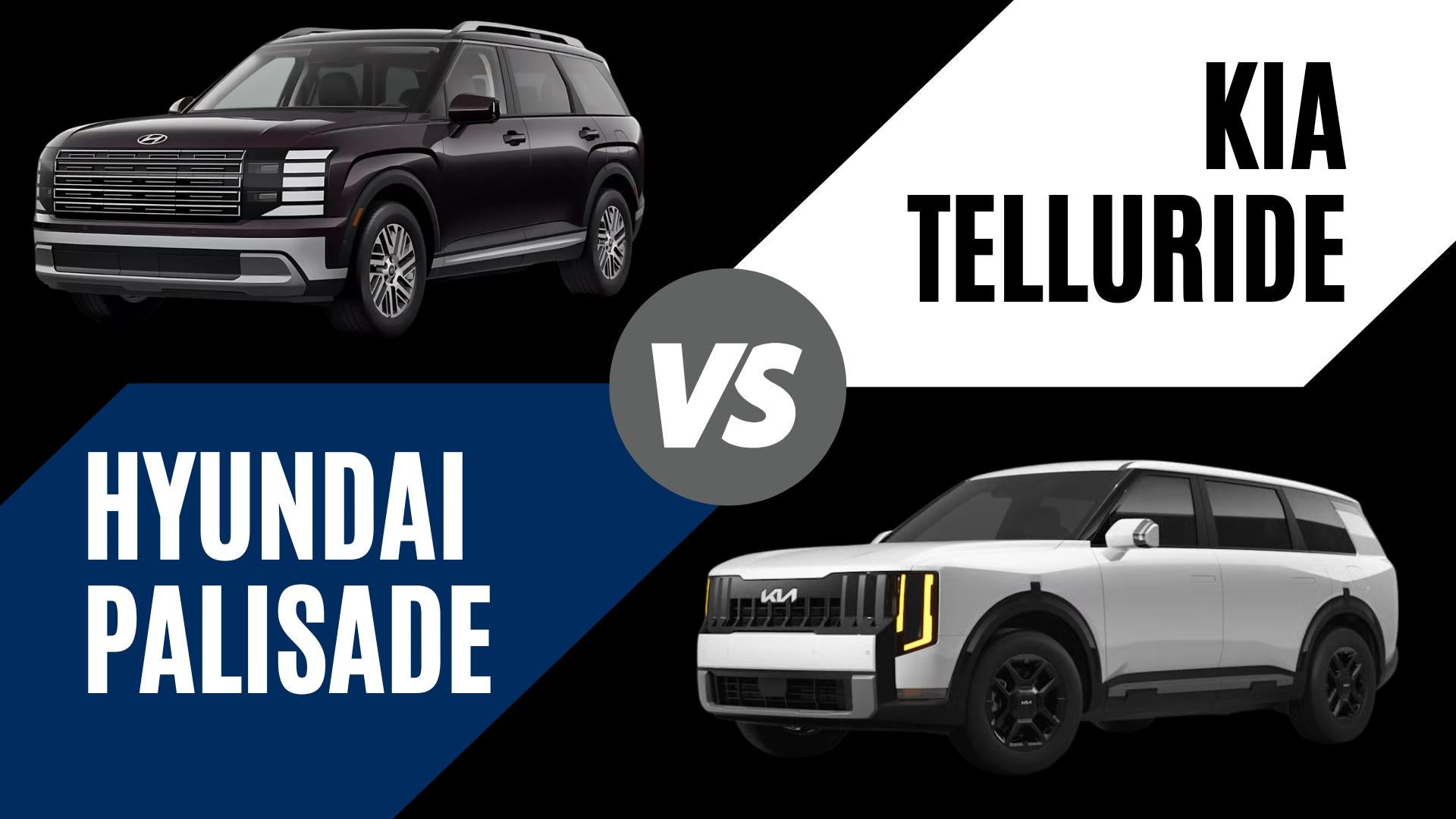
2026 Hyundai Palisade vs 2027 Kia Telluride in North Little Rock, AR

2026 Hyundai Palisade and 2027 Kia Telluride comparison showing SUV features, design, and capability in North Little Rock, Arkansas

Comparing Two Redesigned Midsize SUVs in North Little Rock

Drivers shopping for a three-row SUV in North Little Rock will find two standout options at the top of the segment: the 2026 Hyundai Palisade vs 2027 Kia Telluride in North Little Rock, AR. Both models arrive with full redesigns, bringing updated styling, modern interiors, and new technology to two of the most popular midsize SUVs on the road.

While these SUVs share a similar foundation, each takes a slightly different approach to comfort, performance, and overall driving experience. The Palisade leans toward refinement and upscale features, while the Telluride introduces a more rugged design with a responsive turbocharged engine.

To explore trims, features, and configurations in more detail, visit the Hyundai Palisade model research page.

Vehicle Comparison

2026 Hyundai Palisade
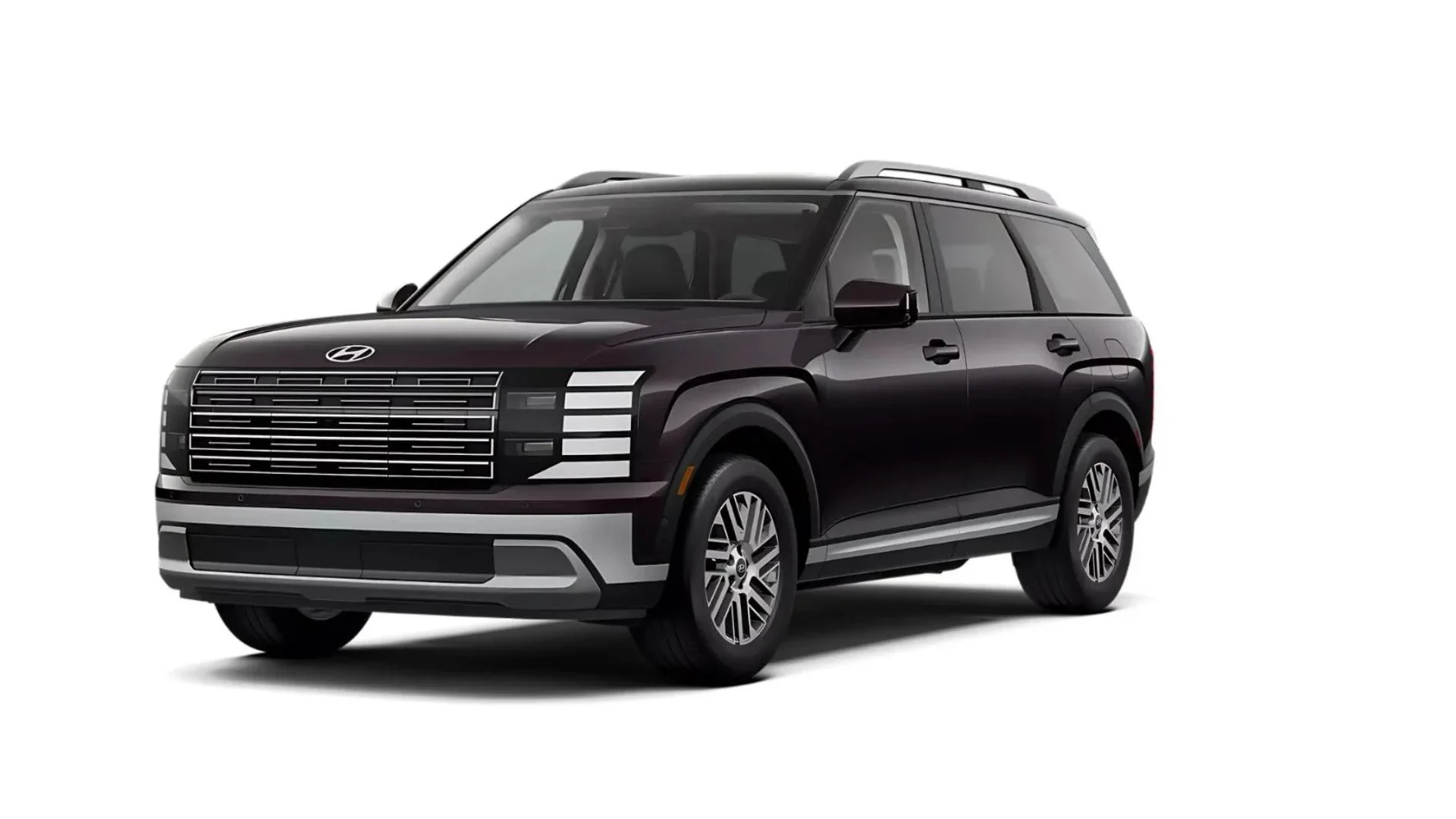
2026 Hyundai Palisade at Crain Hyundai North Little Rock
Horsepower
287
AWD Availability
Available
Fuel Economy / Range
20-21 combined mpg (city/hwy)
Seating Capacity
7-8
Top Features
  • Available Relaxation Seats
  • UV-C Sanitizing Tray
  • Dual 12.3-inch Curved Displays
Towing Capacity
Up to 5,000 lbs

2027 Kia Telluride

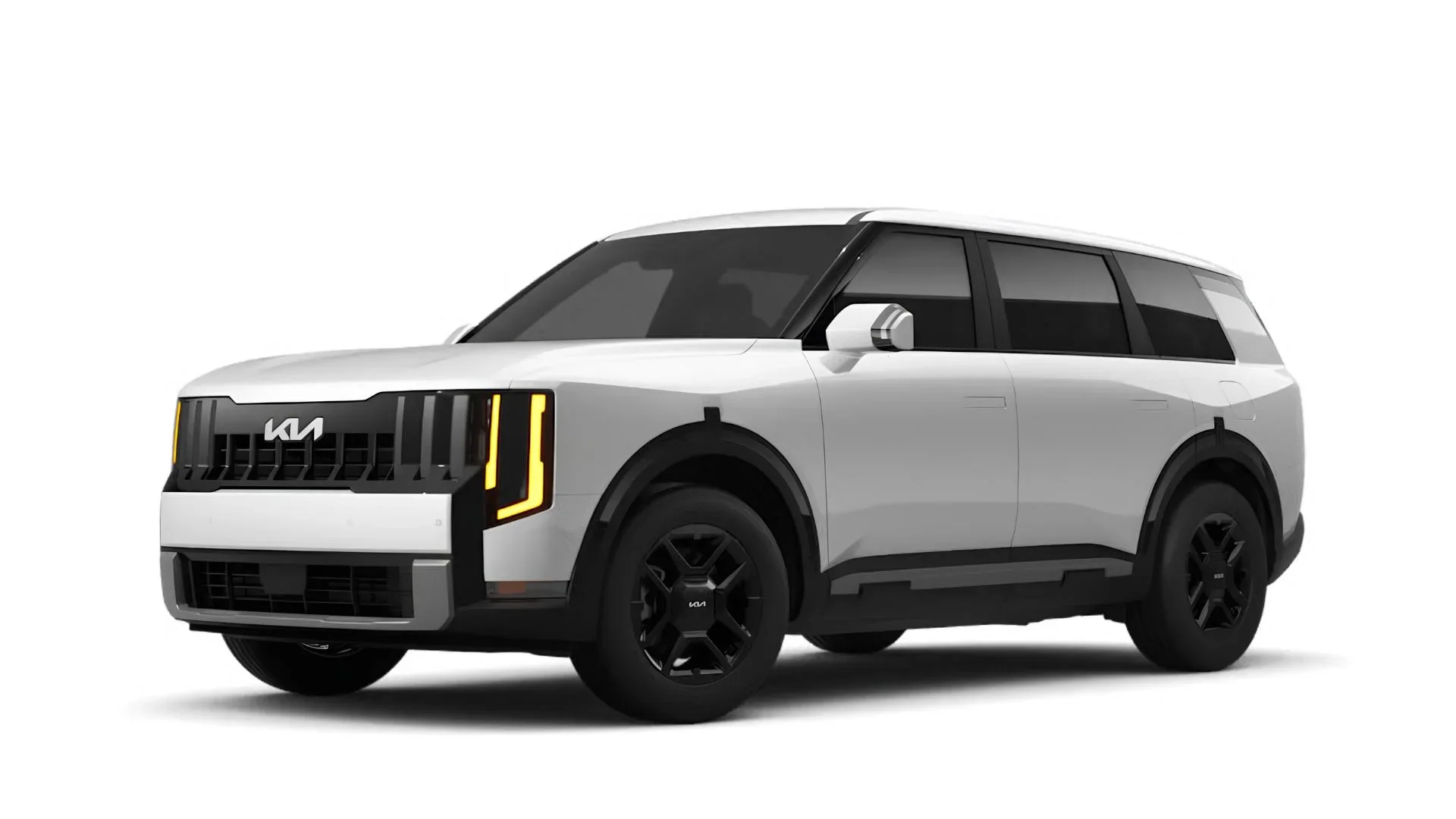
2027 Kia Telluride at Crain Hyundai North Little Rock
Horsepower
274
AWD Availability
Available
Fuel Economy / Range
20-22 combined mpg (city/hwy)
Seating Capacity
7-8
Top Features
  • Built-In AI Voice Assistant
  • Dual Wireless Phone Chargers
  • Available X-Pro Off-Road Hardware
Towing Capacity
Up to 5,000 lbs

Refined Styling vs Rugged Design Direction

Both SUVs feature bold new looks, but they take different design paths.

The Palisade adopts a more refined and upscale appearance, with clean lines and premium design elements that give it a polished presence on the road.

The Telluride moves in a more rugged direction, with boxier styling and a stronger SUV stance that emphasizes durability and capability.

Design highlights:

  • Palisade: refined, upscale styling
  • Telluride: bold, rugged design
  • Each offers a distinct visual identity

Performance and Powertrain Differences

Under the hood, these SUVs take different approaches to performance.

The Palisade comes equipped with a 287-horsepower V6 engine, delivering smooth and consistent power suited for everyday driving and long-distance comfort.

The Telluride features a 274-horsepower turbocharged engine that provides responsive acceleration and a slightly more modern power delivery.

Performance comparison:

  • Palisade: 287 hp V6 engine
  • Telluride: 274 hp turbocharged engine
  • AWD available on both
  • Each delivers a smooth and capable driving experience

Interior Comfort and Premium Feel

Inside the cabin, both SUVs prioritize comfort, but with slightly different execution.

The Palisade offers a premium Calligraphy interior with high-end materials and a layout that feels more in line with luxury-level design. You can also explore Hyundai’s family-focused interior features to see how Hyundai enhances comfort and usability for passengers.

The Telluride features a refined and modern interior as well, with thoughtful design elements and available upscale finishes that enhance comfort for passengers.

Interior highlights:

  • Palisade: luxury-inspired materials and design
  • Telluride: modern, refined cabin with practical touches
  • Both offer seating for 7–8 passengers
  • Each provides a comfortable three-row experience

Technology and Connectivity Features

Technology is a strong point for both SUVs, with modern infotainment and connectivity options.

The Palisade features a dual 12.3-inch curved display setup that combines driver information and infotainment into a sleek, integrated interface. Learn more about Hyundai Digital Key and connected technology, and how it enhances everyday usability.

The Telluride offers a 12.3-inch touchscreen display, along with an available digital gauge cluster and built-in voice assistant features.

Technology comparison:

  • Palisade: dual curved display design
  • Telluride: large touchscreen with available digital cluster
  • Both support wireless smartphone connectivity
  • Each offers a modern and user-friendly tech experience

Safety and Driver Assistance Systems

Safety is a priority in both the Palisade and Telluride.

Hyundai equips the Palisade with a full suite of driver-assistance features, including adaptive cruise control, lane-keeping assist, and automatic emergency braking. Drivers can also learn more about Hyundai’s safety innovations and awards, and how they contribute to overall safety confidence.

Kia includes a similar range of safety technologies in the Telluride, with many of the same features offered as standard or available options.

Safety comparison:

  • Both offer advanced driver-assistance features
  • Adaptive cruise control available on both
  • Each provides strong safety coverage for families

Performance, AWD, and Fuel Economy

The Palisade offers 287 horsepower with available all-wheel drive and delivers approximately 20–21 MPG combined, while the Telluride produces 274 horsepower with available AWD and achieves around 20–22 MPG combined.

While both SUVs deliver similar fuel economy, the Palisade focuses on smooth V6 power, while the Telluride’s turbocharged engine provides a different driving feel.

Efficiency and capability comparison:

  • Palisade: smooth V6 power and consistent performance
  • Telluride: turbocharged engine with responsive feel
  • Fuel economy is similar across both models

Capability, Towing, and Everyday Utility

Both SUVs are built to handle family life as well as weekend adventures.

The Palisade offers a maximum towing capacity of up to 5,000 pounds, along with available tow-focused features that support hauling needs. You can also explore Hyundai SUV capability and towing features for a closer look at how it performs in real-world scenarios.

The Telluride also delivers up to 5,000 pounds of towing capacity, with available off-road-focused trims that enhance capability in more rugged conditions.

Capability highlights:

  • Both offer up to 5,000 lbs towing
  • AWD available on both
  • Telluride emphasizes rugged capability
  • Palisade focuses on balanced everyday usability

Hybrid Options and Future Flexibility

Both the Hyundai Palisade and Kia Telluride are expanding their lineups with hybrid options, giving drivers more ways to balance performance and efficiency.

Drivers interested in improved fuel efficiency can explore the Hyundai Palisade Hybrid model research page to learn more about available hybrid configurations and features.

Which SUV is Right for You in North Little Rock?

Both the Palisade and Telluride bring a lot to the table, especially with their recent redesigns.

The Palisade is a great fit for drivers who prioritize a refined interior, smooth performance, and a more upscale driving experience.

The Telluride appeals to those who prefer bold styling, a slightly more rugged feel, and a responsive turbocharged engine.

For drivers comparing the 2026 Hyundai Palisade vs 2027 Kia Telluride in North Little Rock, AR, the right choice comes down to personal preference and which style of SUV best fits your needs.

FAQs

Are the Hyundai Palisade and Kia Telluride both redesigned?
Yes, both the 2026 Hyundai Palisade and 2027 Kia Telluride feature full redesigns with updated styling and technology.

Do both SUVs offer similar towing capacity?
Yes, both the Palisade and Telluride can tow up to 5,000 pounds when properly equipped.

Do the Palisade and Telluride offer hybrid options?
Yes, both models offer hybrid versions, giving drivers more flexibility for fuel efficiency and performance.
Posted in:

Related Posts

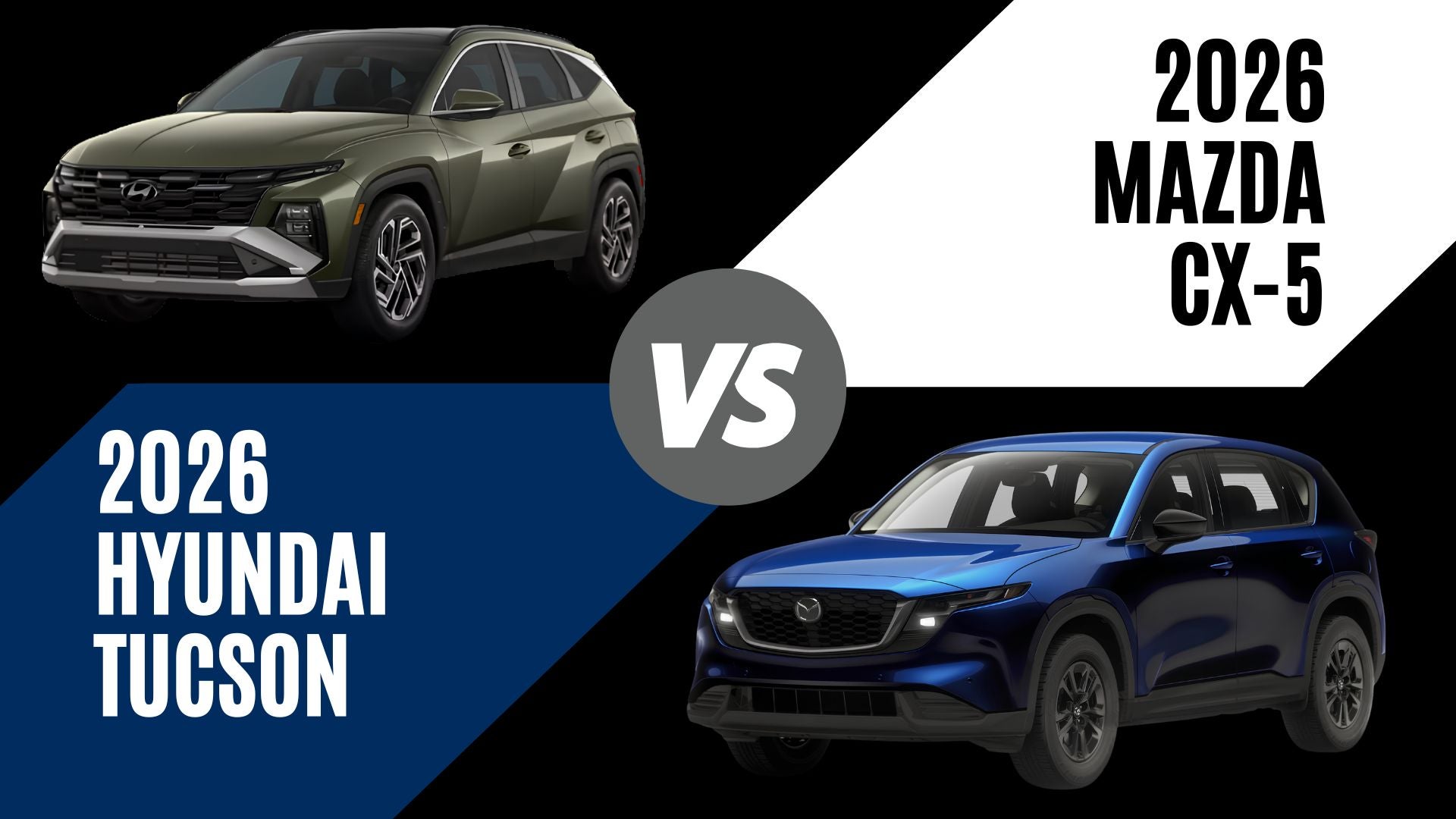
2026 Hyundai Tucson and 2026 Mazda CX-5 compact SUVs compared side by side for North Little Rock, Arkansas drivers

2026 Hyundai Tucson vs 2026 Mazda CX-5: A Compact SUV Comparison for North Little Rock Drivers

Two names keep coming up when North Little Rock shoppers start comparing compact SUVs: the 2026 Hyundai Tucson and the 2026 Mazda CX-5. Under the hood, they're closer than most rivals, each running a 187-hp four-cylinder and offering genuinely spacious rear seating. Where they part ways is everything else: how the tech works, what's covered under warranty, and how each one actually feels behind the wheel. Visit our model research page for more info on the 2026 Hyundai Tucson. Vehicle Comparison 2026 Hyundai Tucson Horsepower 187 hp (2.5L I4) AWD Availability Available Fuel Economy / Range 25/33 (FWD); 24/30 (AWD) mpg (city/hwy) Seating Capacity 5 Top Features 12.3" Touchscreen w/ Wireless CarPlay & Android Auto AEB w/ Pedestrian Detection Hyundai Digital Key App Towing Capacity Up to 2,000 lbs (optional hitch required) Find Your Tucson Today 2026 Mazda CX-5 Horsepower 187 hp (2.5L I4) AWD Availability Standard Fuel Economy / Range 25/33 (FWD); 24/30 (AWD) mpg (city/hwy) Seating Capacity 5 Top Features 12.9" Touchscreen w/ Google-Based Software Lane-Change Assist & Traffic-Sign Recognition All-Wheel Drive on Every Trim Towing Capacity Up to 1,500 lbs Search Our Used Inventory Exterior and Cabin Impressions A sharp, angular exterior sets the Tucson apart, and its cabin carries forward the same design language Hyundai introduced across the Palisade, Sonata, and Elantra. Mazda took a different path with the redesigned CX-5, stretching the wheelbase by 4.5 inches and adding seven ambient lighting choices, along with a cleaner dashboard now that the old rotary infotainment knob is gone. Quick Comparison: Tucson: cohesive, modern design shared across Hyundai's newer lineup CX-5: longer wheelbase and expanded ambient lighting for 2026 Both: cabins that feel upscale for the compact SUV price range Performance and Ride Quality Identical 187-hp 2.5-liter four-cylinder engines power both SUVs, but the way that power reaches the road differs. An eight-speed automatic handles Tucson duty, with front-wheel drive standard and all-wheel drive available as an option. The CX-5 instead uses a six-speed automatic paired with standard all-wheel drive on every trim, so there's no front-wheel-drive version to consider. Handling favors the CX-5 slightly, with testers noting sharper responses and a 60-mph time of 8.0 seconds. Comfort favors the Tucson, which settles into a notably quiet highway cruise, with an all-wheel-drive Limited trim reaching 60 mph in a comparable 8.8 seconds. On the Move: Tucson: quieter, more relaxed ride at highway speed CX-5: sharper handling and standard all-wheel drive Both: 187-hp engines tuned more for comfort than quickness Passenger and Cargo Space North Little Rock families cross-shopping these two will find plenty of room in either. Hyundai's Tucson holds nine carry-on suitcases behind the rear seats and 22 with them folded flat, backed by real-world cargo testing. Mazda's redesigned CX-5 picked up real gains in rear legroom, kneeroom, and headroom for 2026, and its cargo hold measures 34 cubic feet, though suitcase-count testing for the new generation hasn't been published yet. Room Check: Tucson: cargo capacity already verified through hands-on testing CX-5: bigger footprint for 2026, with rear-seat gains across the board Both: seating for five with real space for adult passengers in back Infotainment and Connected Features Standard on the Tucson is a 12.3-inch touchscreen, with an optional combined dual-screen layout that stretches across most of the dashboard for gauges and infotainment together. Wireless Apple CarPlay and Android Auto come standard on every trim, and Hyundai's Digital Key system turns a compatible smartphone into a key. A standard 12.9-inch touchscreen anchors the CX-5's dash, with an available 15.6-inch Google-based upgrade on higher trims. Wireless smartphone connectivity is limited to the Select trim and up, and early testers flagged occasional glitches with the new software. Screen Time: Tucson: wireless connectivity across every trim, plus Digital Key convenience CX-5: larger available screen, but wireless features and reliability vary by trim Tucson delivers more consistent tech, no matter which trim you pick Standard Safety Equipment Driver-assistance technology comes well-stocked on both SUVs. Standard on the Tucson: automated emergency braking with pedestrian detection and lane-departure warning with lane-keeping assist. Adaptive cruise control and lane-centering are available on higher trims. The CX-5 counters with its own standard package, including automated emergency braking, lane-keeping assist, adaptive cruise control, lane-change assist, and traffic-sign recognition. North Little Rock drivers can see how Hyundai's safety record compares in the brand's latest safety honors. Safety Side-by-Side: Tucson: standard pedestrian detection built into automated braking CX-5: standard lane-change assist and traffic-sign recognition Both: standard automated emergency braking, lane-keeping assist, and adaptive cruise control Efficiency, Drivetrain, and Towing With front-wheel drive, the Tucson's 187-hp engine earns an EPA-estimated 25 mpg city and 33 mpg highway, dipping to 24 mpg city and 30 mpg highway with all-wheel drive. An optional hitch brings towing capacity up to 2,000 pounds. The CX-5, running standard all-wheel drive, is rated at 24 mpg city and 30 mpg highway, with towing capped at 1,500 pounds. Between the two, the Tucson's front-wheel-drive efficiency numbers and higher towing ceiling give it a real practical edge for anyone hauling gear or a small trailer. Hybrid and Electrified Options Every number above reflects the standard gas-powered Tucson and CX-5, with no hybrid or plug-in figures mixed in. Hyundai already sells the Tucson in Hybrid and Plug-In Hybrid form for drivers chasing more efficiency, part of an electrified lineup that's earned national recognition. Mazda has a CX-5 Hybrid on the way, but it isn't due until the 2027 model year, so it sits outside this comparison. Long-Term Ownership Costs Hyundai's coverage on the Tucson includes a five-year, 60,000-mile limited warranty, a ten-year, 100,000-mile powertrain warranty, and three years or 36,000 miles of complimentary scheduled maintenance. The CX-5's warranty from Mazda falls well short of that: a three-year, 36,000-mile limited warranty, a five-year, 60,000-mile powertrain warranty, and no complimentary maintenance program. North Little Rock drivers can review the details in Hyundai's warranty coverage. Cost of Ownership: Tucson: doubles the CX-5's powertrain coverage, plus included maintenance CX-5: shorter warranty terms with no maintenance program included Tucson keeps long-term ownership costs meaningfully lower The Bottom Line for North Little Rock Drivers Both SUVs bring real strengths to the compact class, but the Tucson's advantages stack up where they matter most for daily ownership: better fuel economy, a higher towing capacity, consistent wireless tech across trims, and a warranty program that isn't a close call. North Little Rock drivers who want a compact SUV built for the long haul should start with the Tucson. Stop by Crain Hyundai of North Little Rock to see current inventory and financing options in person. FAQs Which SUV offers more cargo room, the Tucson or the CX-5? The Tucson has verified real-world cargo capacity of nine carry-on suitcases behind the rear seats, while the CX-5's larger 34-cubic-foot cargo hold hasn't yet been tested for suitcase count. Does the CX-5 offer wireless Apple CarPlay across every trim? No, wireless Apple CarPlay and Android Auto on the CX-5 are limited to Select trim and above, while the Tucson includes them standard on every trim. Is a hybrid version available for the Tucson or the CX-5 this year? The Tucson is already available in Hybrid and Plug-In Hybrid form, while Mazda's CX-5 Hybrid isn't expected until the 2027 model year.

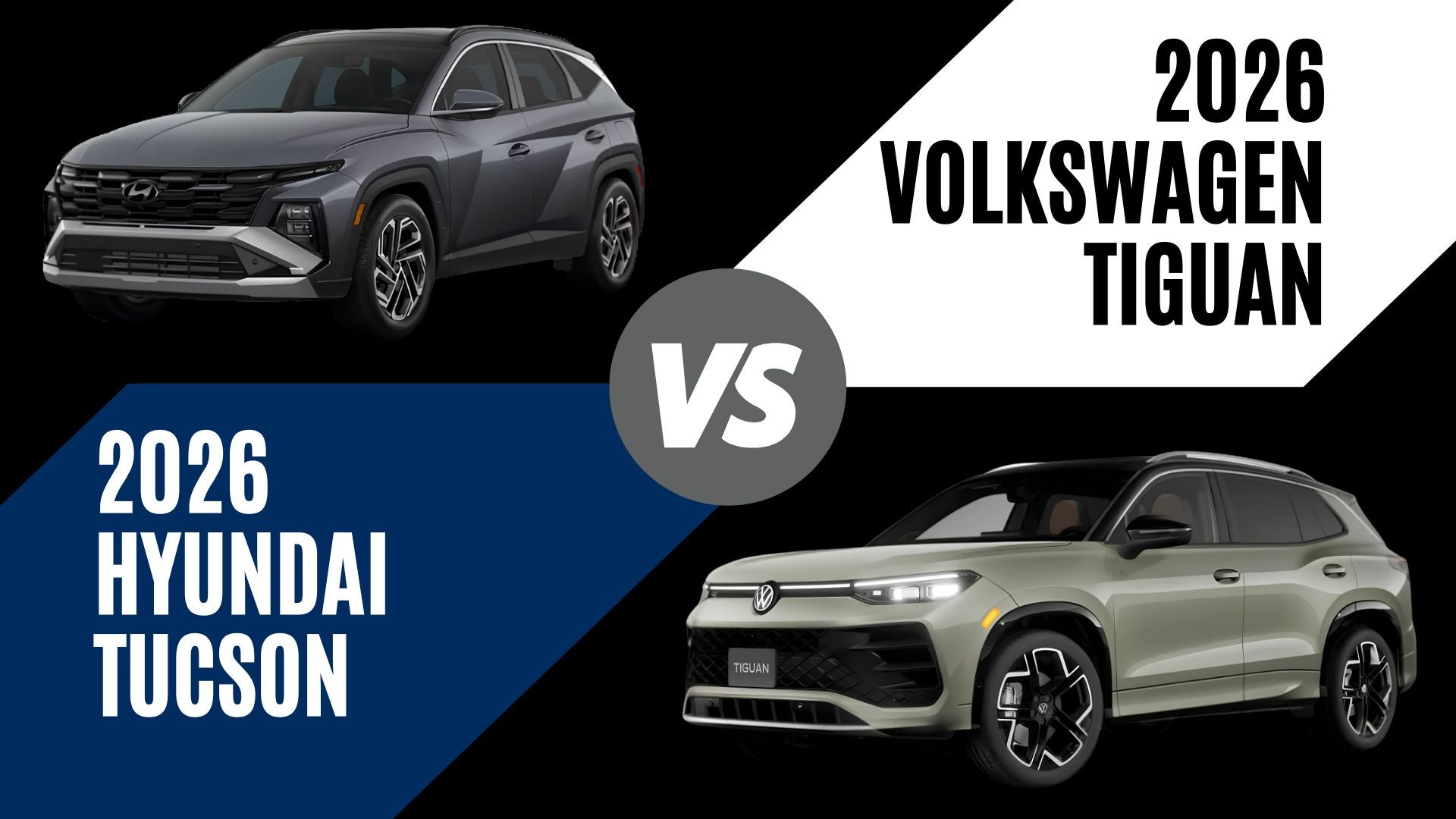
Side-by-side comparison image of the 2026 Hyundai Tucson and 2026 Volkswagen Tiguan in a neutral studio setting.

2026 Hyundai Tucson vs. Volkswagen Tiguan | North Little Rock, AR

A Central Arkansas Look at Two Popular Family SUVs North Little Rock drivers cross-shopping family SUVs tend to circle back to the same two names: the 2026 Hyundai Tucson and the 2026 Volkswagen Tiguan. Both offer generous passenger space, up-to-date driver technology, and optional all-wheel drive, which makes them worth putting side by side. Crain Hyundai of North Little Rock put together this comparison to help local buyers see where each vehicle stands out. This page covers only the gas-powered Tucson, but a hybrid and a plug-in hybrid version also exist. Vehicle Comparison 2026 Hyundai Tucson Horsepower 187 hp AWD Availability Available Fuel Economy / Range 26-28 combined mpg (city/hwy) Seating Capacity 5 Top Features 12.3-inch Touchscreen Hyundai Digital Key 2 Hyundai SmartSense Safety Suite Towing Capacity Up to 2,000 lbs (with optional trailer hitch) Find Your Tucson Today 2026 Volkswagen Tiguan Horsepower 201–268 hp AWD Availability Available Fuel Economy / Range 22-34 (range varies by trim) mpg (city/hwy) Seating Capacity 5 Top Features 12.9-inch Touchscreen Standard Adaptive Cruise Control IQ.DRIVE Safety Suite Towing Capacity Up to 1,800 lbs Search Our Used Inventory First Impressions Inside the Cabin Open the Tucson's doors and the interior goes for straightforward usability: a digital gauge display, a column-mounted shifter, and a climate control panel that sticks with physical buttons instead of tucking everything into a touchscreen. It's a layout that matches the rest of Hyundai's current SUV lineup. The Tiguan takes its cabin in a different direction, pulling in European design touches and its own column-mounted shifter that opens up extra console storage. Step into a higher trim and leather seating with genuine wood trim becomes available, giving the cabin a noticeably more upscale feel. Design Details: Tucson: Straightforward layout, physical climate buttons, digital gauge display Tiguan: European design language, available leather and wood trim on upper trims Both: Column-mounted shifters that open up console space Touchscreens, Software, and Connected Features Tech has become one of the biggest differentiators in this class, and both vehicles put real effort into their setups. Every Tucson trim comes standard with a 12.3-inch touchscreen, and the SEL Premium and Limited trims add a matching 12.3-inch digital gauge cluster with built-in navigation. Hyundai Digital Key 2 is available further up the lineup, allowing a compatible phone to unlock, start, and share access to the vehicle. The Tiguan starts with a standard 12.9-inch touchscreen, with an available 15-inch display running Volkswagen's Digital Cockpit Pro software on upper trims. Physical controls, including a rotary volume knob, remain in place even as the screen sizes grow. Tech Overview: Tucson: Standard 12.3-inch touchscreen, available digital gauge cluster with navigation, Digital Key access Tiguan: Standard 12.9-inch touchscreen, available 15-inch display, retained rotary controls Both: Wireless smartphone connectivity standard Engine Options and On-Road Feel The Tucson and Tiguan take noticeably different approaches under the hood. Hyundai fits a single 187-hp 2.5-liter four-cylinder across every gas Tucson trim, paired with an eight-speed automatic and available all-wheel drive. It's not built for quick acceleration, needing about 8.8 seconds to reach 60 mph, but that tradeoff shows up as a quiet, settled ride once you're up to speed. Volkswagen splits the Tiguan lineup instead. The S, SE, and SE R-Line Black trims run a 201-hp turbocharged 2.0-liter engine, while the new 2026 SEL R-Line Turbo bumps that to 268 horsepower with standard all-wheel drive, reaching 60 mph in a much quicker 6.7 seconds. Powertrain Specifics: Tucson: 187-hp 2.5L four-cylinder, all gas trims, 8.8-second 0-60 Tiguan: 201-hp base engine, 268-hp SEL R-Line Turbo, 6.7-second 0-60 (top trim) Both: Available all-wheel drive Cargo Room for Little Rock and Sherwood Families Interior space carries real weight for families in North Little Rock, Little Rock, and Sherwood who juggle passengers, gear, and errands. The Tucson holds 9 carry-on suitcases behind the rear seats, growing to 22 with the seats folded flat, and is backed by a rear seat and cargo area that are larger than those of several rivals in the class. The redesigned Tiguan gained extra length this generation and now fits 9 carry-on suitcases behind the rear seats, expanding to 25 with the seats folded. The previous generation's optional third row didn't carry over to this redesign. Cargo Capacity: Tucson: 9 suitcases behind rear seats, 22 with seats folded Tiguan: 9 suitcases behind rear seats, 25 with seats folded Both: Seating for five, no third-row option Fuel Economy for Everyday Driving Commuting costs throughout Little Rock, Sherwood, Jacksonville, and Cabot still factor heavily into a family SUV purchase. Front-wheel-drive Tucson models return 25 mpg in the city and 33 mpg on the highway, for a combined 28 mpg, while all-wheel-drive versions land at 24 mpg in the city and 30 mpg on the highway, for a combined 26 mpg. The Tiguan's base engine reaches up to 26 mpg in the city and 34 mpg on the highway with front-wheel drive, dropping to 22 mpg in the city and 30 mpg on the highway with 4Motion all-wheel drive added. The 268-hp SEL R-Line Turbo comes in a bit lower on the highway at 29 mpg. Efficiency Figures: Tucson: 28 combined mpg (FWD), 26 combined mpg (AWD) Tiguan: Up to 26 city/34 highway mpg (FWD, base engine), 29 highway (SEL R-Line Turbo) Both: Solid efficiency relative to their available power Considering the Tucson Hybrid or Plug-In Hybrid If more power appeals to you but you'd rather stick with the Tucson, Hyundai offers two electrified alternatives worth a look. The Tucson Hybrid and Tucson Plug-In Hybrid both accelerate quicker than the standard gas engine while adding extra efficiency. Driver-Assistance and Safety Equipment Advanced safety features now come standard across most of this class, and neither of these SUVs falls short. Standard automated emergency braking with pedestrian detection and lane-keeping assist come on every Tucson trim, and Hyundai SmartSense adds adaptive cruise control with lane-centering on higher trims. Highway Driving Assist 2 makes longer highway stretches easier to manage. Every Tiguan trim comes with standard adaptive cruise control and lane-centering, along with automated emergency braking and lane-keeping assist. Ten total airbags, including driver knee, center, and rear side airbags, back up that safety equipment. Safety Equipment: Tucson: Hyundai SmartSense and Highway Driving Assist 2 on select trims Tiguan: Standard adaptive cruise control lineup-wide, 10 total airbags Both: Standard automated emergency braking and lane-keeping assist Warranty Coverage and Ownership Costs Warranty terms are where these two brands really diverge. Hyundai's warranty, America’s Best Warranty, backs the Tucson with a 5-year/60,000-mile limited warranty, a 10-year/100,000-mile powertrain warranty, and 3 years or 36,000 miles of complimentary scheduled maintenance. Volkswagen's Tiguan comes with a 4-year/50,000-mile limited and powertrain warranty, plus 2 years or 20,000 miles of complimentary maintenance, solid protection, though clearly shorter than Hyundai's coverage. Warranty Terms: Tucson: 10-year/100,000-mile powertrain warranty, 3 years complimentary maintenance Tiguan: 4-year/50,000-mile powertrain warranty, 2 years complimentary maintenance Tucson holds the clear advantage on long-term coverage Finding the Right Fit in North Little Rock Both of these SUVs earn their place in the family SUV conversation, and the better choice really depends on individual priorities. Buyers drawn to a quiet, easygoing ride paired with an exceptionally long powertrain warranty will likely gravitate toward the Tucson. Those chasing extra power, especially with the Tiguan's 268-hp top trim, or a more distinctly European cabin, may find the Tiguan the better match. Shoppers exploring further options can also see how the Tucson stacks up against the Honda CR-V or the Toyota RAV4. Whichever direction you lean, families across North Little Rock, Little Rock, Sherwood, and Jacksonville have two well-rounded SUVs to choose from. FAQs Q: Does either SUV offer leather or wood trim inside? A: Yes, the Volkswagen Tiguan offers available leather upholstery and genuine wood trim on its higher trims, giving the cabin a more upscale look and feel. Q: How many years of complimentary maintenance come with each vehicle? A: The Tucson includes 3 years or 36,000 miles of complimentary scheduled maintenance, while the Tiguan includes 2 years or 20,000 miles. Q: Do both the Tucson and Tiguan support wireless smartphone connectivity? A: Yes, both SUVs offer wireless smartphone connectivity across their lineups, keeping drivers connected without needing a cable.

2026 Hyundai Palisade and 2027 Kia Telluride three-row SUVs compared side by side for families in North Little Rock, Arkansas

2026 Hyundai Palisade vs 2027 Kia Telluride in North Little Rock, AR

Smart Technology and Everyday Safety for Families A three-row SUV spends most of its life doing ordinary things. School runs, grocery trips, the occasional road trip. And increasingly, buyers judge that daily experience by how smart and how safe the vehicle feels behind the wheel. The 2026 Hyundai Palisade and 2027 Kia Telluride both bring serious tech and safety credentials to that conversation for families in North Little Rock. There's a model-year note worth flagging up front. Kia skipped the 2026 model altogether and instead introduced a redesigned 2027 model. The two SUVs actually launched around the same time, despite the different model-year labels. A closer look at the redesigned Palisade is available in our latest coverage. Vehicle Comparison 2026 Hyundai Palisade Horsepower 287 hp AWD Availability Available Fuel Economy / Range 20-21 combined mpg (city/hwy) Seating Capacity 7-8 Top Features Dual 12.3″ Curved Displays Available Relaxation Seats UV-C Sanitizing Tray Towing Capacity Up to 5,000 lbs Find Your Palisade Today 2027 Kia Telluride Horsepower 274 hp AWD Availability Available Fuel Economy / Range 20-22 combined mpg (city/hwy) Seating Capacity 7-8 Top Features Built-In AI Voice Assistant Dual Wireless Phone Chargers Available X-Pro Off-Road Hardware Towing Capacity Up to 5,000 lbs Search Our Used Inventory First Impressions A sleeker, more upscale exterior sets the redesigned Palisade apart this year, with refined lighting details replacing the outgoing model's heavier-handed styling. The Telluride's redesign went a different direction entirely, doubling down on the boxy, trail-ready look the nameplate is known for rather than chasing a softer, more luxury-leaning aesthetic. First Look: Palisade: Sleeker, more upscale exterior following its 2026 redesign Telluride: Boxy, trail-ready design carried into its 2027 redesign Both: Seating for seven or eight passengers Everyday Tech That Actually Gets Used The features that matter most aren't always the flashiest ones. They're the ones drivers touch every single day. Hyundai’s Digital Key might be the single most-used feature on a new Palisade, since it removes the physical fob from the equation entirely for owners who'd rather just carry their phone. Dual 12.3-inch curved displays back that up visually, giving the dashboard a seamless, modern look that doesn't feel bolted-on. Kia leans into voice control instead with the Telluride, a built-in AI assistant that handles requests conversationally rather than through menus, paired with a 12.3-inch touchscreen and an available digital gauge display of its own. Tech Rundown: Palisade: Dual 12.3-inch curved displays, Digital Key convenience Telluride: Built-in AI voice assistant, 12.3-inch touchscreen Both: Standard wireless smartphone connectivity Safety Systems Families Actually Rely On Three rows of passengers mean three rows of reasons to care about active safety technology. Every layer of Hyundai SmartSense is engineered around real-world driving, not just checkbox features. You get adaptive cruise control, lane-keeping, blind-spot monitoring, and automatic braking working together. Highway Driving Assist 2 layers on top of that for drivers who log real highway miles, the kind of feature that earns its keep on a trip to Memphis or Dallas rather than the daily commute. Kia backs the Telluride with its own comprehensive driver-assistance suite, built to hold up whether the trip is three minutes to school or three hours down the interstate. Safety Snapshot: Palisade: Hyundai SmartSense and Highway Driving Assist 2 Telluride: Comprehensive driver-assistance features across trims Both: Advanced safety systems designed for family travel Comfort That Supports the Tech None of this technology matters much if the cabin itself isn't comfortable, and both automakers clearly know it. Available Relaxation Seats on the Palisade, especially prominent on the range-topping Calligraphy trim, turn longer drives into something closer to a lounge experience than a commute. That premium feel carries through the rest of the cabin, too, from the materials to the overall fit and finish. The Telluride keeps its focus more practical, spacious seating, and genuinely useful storage solutions across all three rows rather than a luxury-first approach. Comfort Notes: Palisade: Available Relaxation Seats, premium cabin materials Telluride: Spacious three-row layout, practical storage throughout Both: Family-friendly cabins built for daily versatility Towing and Fuel Economy Even in a tech-and-safety-focused comparison, real-world capability still matters for families who tow gear. The Palisade lands at 20 to 21 mpg combined, with the Telluride running slightly ahead at 20 to 22 mpg combined. Both SUVs match up evenly on towing, handling up to 5,000 lbs when properly equipped. Capability Notes: Palisade: 20–21 mpg combined, up to 5,000 lbs towing Telluride: 20–22 mpg combined, up to 5,000 lbs towing Both: Available AWD and strong towing capability Electrified Options Worth Knowing About Neither of these SUVs is limited to gas power anymore. Hyundai added a hybrid variant to the redesigned Palisade lineup. Kia followed suit with its own hybrid Telluride trims, giving efficiency-minded families a path into either nameplate without giving up three rows of seating. Electrified Notes: Palisade: Available hybrid powertrain Telluride: Available hybrid powertrain Both: Added efficiency without giving up three-row practicality What Ownership Looks Like Down the Road Technology and safety features age well when they're backed by real manufacturer support. Hyundai's warranty on the Palisade remains one of the strongest in the industry. Also known as America’s Best Warranty, it’s an added level of confidence that extends well past the moment you drive off the lot. Kia's coverage on the Telluride holds up reasonably well against the segment, though it doesn't quite match what Hyundai offers here. Value Points: Palisade: Industry-leading Hyundai warranty coverage Telluride: Competitive warranty coverage within the segment Both: Backed by established manufacturer support Which Three-Row SUV Fits Your Family in North Little Rock? Both of these SUVs treat technology and safety as genuine priorities rather than afterthoughts, which makes this a harder call than most three-row comparisons. Families who want the most seamless daily tech experience and the strongest warranty backing may find the Palisade the better fit. Families drawn to voice-first controls and a more rugged overall character may lean toward the Telluride instead. Either way, families throughout North Little Rock, Little Rock, Sherwood, Jacksonville, and Cabot get a genuinely well-equipped three-row SUV built for daily life in Central Arkansas. FAQs Q: Which SUV makes it easier to go without a physical key? A: The Palisade's Digital Key feature lets a compatible smartphone fully replace the physical fob, a level of convenience the Telluride doesn't currently match. Q: Does the Telluride offer voice control like the Palisade? A: Yes, though the approach differs. The Telluride uses a built-in AI voice assistant for natural conversational commands, while the Palisade relies more on its dual curved displays and Digital Key convenience. Q: Which SUV has better long-term warranty coverage? A: The Palisade benefits from Hyundai's industry-leading warranty package, giving it an edge over the Telluride's still-competitive but less extensive coverage.